A Clear and Practical Guide to Maximizing Vertical Space
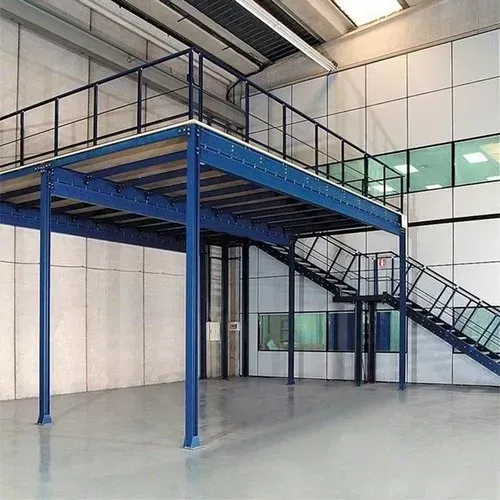
Mezzanine flooring is a structural solution that creates an intermediate floor between the main floor and the ceiling of a building. It is widely used in warehouses, factories, offices, retail stores, distribution centers, and commercial spaces where unused vertical height can be converted into functional area. As property costs rise and space constraints increase, mezzanine flooring offers a practical way to expand usable space without relocating or constructing a new building. By using existing height, organizations can add storage, offices, production areas, or customer-facing zones with minimal disruption. Understanding how mezzanine flooring works, its benefits and limitations, available types, and selection considerations helps building owners, facility managers, and planners make informed decisions. This guide explains mezzanine flooring in a user-focused and easy-to-understand way, covering technical, operational, and practical aspects.
Benefits of Mezzanine Flooring
1. Efficient Use of Vertical Space
Mezzanine flooring makes use of unused height, effectively increasing floor area without expanding the building footprint.
2. Cost-Effective Expansion
Compared to relocation or new construction, mezzanine systems often require lower investment and shorter installation time.
3. Flexible and Customizable
Mezzanine floors can be designed for storage, offices, production, retail display, or mixed use.
4. Minimal Business Disruption
Most mezzanine installations can be completed while operations continue, reducing downtime.
5. Scalability
Many systems are modular and can be expanded, modified, or relocated as needs change.
6. Improved Space Organization
Separating activities vertically helps improve workflow, safety, and space management.
Limitations of Mezzanine Flooring
1. Load Capacity Constraints
Each mezzanine has a defined load limit, which must be carefully calculated and followed.
2. Ceiling Height Requirements
Adequate clear height above and below the mezzanine is necessary for safe and comfortable use.
3. Building Regulations and Approvals
Local building codes, fire safety rules, and permits may affect design and installation.
4. Initial Structural Assessment
Existing floors and foundations must be assessed to ensure they can support the added load.
5. Not Suitable for All Buildings
Older buildings or structures with low ceilings may not accommodate mezzanine floors effectively.
Types and Categories of Mezzanine Flooring
1. Structural Steel Mezzanine
Built using heavy-duty steel beams and columns.
Best for:
• Warehouses
• Manufacturing facilities
• Heavy storage
Advantages:
• High load capacity
• Long lifespan
2. Rack-Supported Mezzanine
Supported by pallet racking rather than independent columns.
Best for:
• Warehouses with racking systems
• Storage-intensive operations
3. Free-Standing Mezzanine
Independent structure that does not rely on existing walls or racking.
Best for:
• Flexible layouts
• Mixed-use spaces
4. Office Mezzanine
Designed to support office spaces above shop floors or warehouses.
Best for:
• Administrative areas
• Supervisory offices
5. Shelving-Supported Mezzanine
Uses shelving systems as structural support.
Best for:
• Light storage
• Archive rooms
6. Multi-Tier Mezzanine
Includes multiple levels to maximize vertical space.
Best for:
• Large distribution centers
• High-volume storage
7. Retail Mezzanine
Designed for customer access and display.
Best for:
• Showrooms
• Retail outlets
Comparison Table: Common Mezzanine Flooring Types
| Mezzanine Type | Load Capacity | Flexibility | Typical Use |
|---|---|---|---|
| Structural Steel | High | Medium | Heavy storage |
| Rack-Supported | Medium to high | Medium | Warehouse storage |
| Free-Standing | Medium | High | Mixed-use areas |
| Office Mezzanine | Medium | Medium | Office space |
| Shelving-Supported | Low to medium | Medium | Light storage |
| Multi-Tier | Medium | Low to medium | High-density storage |
| Retail Mezzanine | Medium | Medium | Customer areas |
Latest Trends and Innovations in Mezzanine Flooring
1. Modular and Prefabricated Systems
Prefabricated components allow faster installation and easier future modifications.
2. Integration with Automation
Mezzanines are increasingly designed to support conveyors, lifts, and automated storage systems.
3. Lightweight High-Strength Materials
Advanced steel and composite materials improve load capacity while reducing structural weight.
4. Enhanced Safety Features
Improved guardrails, anti-slip surfaces, and fall protection systems enhance workplace safety.
5. Sustainable Design
Manufacturers focus on recyclable materials and designs that reduce waste.
6. Improved Fire Safety Integration
Modern mezzanines are designed to integrate with sprinklers, alarms, and fire-rated flooring.
7. Aesthetic Design for Commercial Spaces
Mezzanines in offices and retail settings now emphasize clean finishes and architectural appeal.
Key Features to Consider When Evaluating Mezzanine Flooring
1. Load-Bearing Capacity
Determine whether the mezzanine will support people, equipment, storage, or machinery.
2. Floor Height and Clearance
Ensure sufficient headroom above and below the mezzanine level.
3. Flooring Material
Options include steel decking, plywood, particle board, or composite panels.
4. Access Points
Stairs, ladders, lifts, and conveyors must be planned for safe access.
5. Safety Systems
Guardrails, handrails, kick plates, and anti-slip surfaces are essential.
6. Lighting and Ventilation
Proper lighting and airflow maintain comfort and safety.
7. Fire Protection and Compliance
Sprinklers, fire exits, and fire-resistant materials may be required.
8. Future Expansion Capability
Design should allow for easy modification or expansion.
Leading Mezzanine Flooring Companies and Public Information Sources
The following companies are widely known for mezzanine flooring and industrial space solutions. These links are provided for general information and technical reference, not endorsements.
| Company | Known For | Public Link |
|---|---|---|
| SSI Schaefer | Warehouse and mezzanine systems | https://www.ssi-schaefer.com |
| Mecalux | Storage and mezzanine solutions | https://www.mecalux.com |
| Jungheinrich | Industrial storage systems | https://www.jungheinrich.com |
| Dexion | Warehouse racking and mezzanines | https://www.dexion.com |
| Stow Group | Storage and mezzanine systems | https://www.stow-group.com |
| Rapid Racking | Industrial mezzanine floors | https://www.rapidracking.com |
| MiTek Mezzanine Systems | Custom mezzanine structures | https://www.mitekmezzanine.com |
How to Choose the Right Mezzanine Flooring
Step 1: Define the Purpose
Clarify whether the mezzanine is for storage, office use, production, or retail.
Step 2: Assess Building Structure
Evaluate floor strength, ceiling height, and column spacing.
Step 3: Calculate Load Requirements
Determine static and dynamic loads, including people, equipment, and materials.
Step 4: Review Regulatory Requirements
Check local building codes, fire regulations, and safety standards.
Step 5: Select the Appropriate Mezzanine Type
Match the system to functional and structural needs.
Step 6: Plan Access and Workflow
Design stairs, lifts, and material flow for efficiency and safety.
Step 7: Consider Long-Term Flexibility
Choose modular systems that can adapt to future changes.
Selection Checklist for Mezzanine Flooring
[ ] Intended use clearly defined
[ ] Load capacity calculated
[ ] Ceiling height and clearance checked
[ ] Building structure assessed
[ ] Mezzanine type selected
[ ] Flooring material chosen
[ ] Access systems planned
[ ] Safety features included
[ ] Fire protection requirements reviewed
[ ] Expansion or modification potential considered
Tips for Best Use and Maintenance of Mezzanine Flooring
1. Follow Load Limits Strictly
Exceeding load limits can compromise structural safety.
2. Conduct Regular Inspections
Check bolts, joints, flooring panels, and guardrails periodically.
3. Maintain Clear Walkways
Keep access routes free from obstructions.
4. Use Proper Signage
Clearly mark load capacities, access points, and safety instructions.
5. Maintain Flooring Surfaces
Repair damaged panels or worn anti-slip coatings promptly.
6. Train Staff on Safe Use
Proper training reduces accidents and misuse.
7. Update Layouts as Needs Change
Reassess layout periodically to maintain efficiency.
FAQs About Mezzanine Flooring
1. What is mezzanine flooring used for?
It is used to create additional usable space within an existing building.
2. Is mezzanine flooring permanent?
Some systems are permanent, while others are modular and relocatable.
3. Does mezzanine flooring require planning permission?
Requirements vary by location and usage. Local regulations should be checked.
4. How much weight can a mezzanine floor support?
Load capacity depends on design and materials and must be specified by engineers.
5. Can mezzanine floors be installed in existing buildings?
Yes, provided the building structure can support the added load.
6. Are mezzanine floors safe for employees?
Yes, when designed, installed, and maintained according to safety standards.
7. Can mezzanine flooring be expanded later?
Many systems are modular and allow future expansion or modification.
Conclusion: A Practical Takeaway
Mezzanine flooring is a practical and efficient solution for organizations seeking to maximize space within existing buildings. By utilizing vertical height, mezzanine systems create valuable additional area for storage, workspaces, or customer use without the cost and disruption of relocation or new construction.
Understanding the types of mezzanine flooring, their benefits and limitations, key features, and selection considerations outlined in this guide helps users make informed decisions. With proper planning, compliance, and maintenance, mezzanine flooring can deliver long-term value, improved space efficiency, and greater operational flexibility across a wide range of industries.