CNC Pipe Bending Machines Explanation for Technology, Operations and Manufacturing Benefits
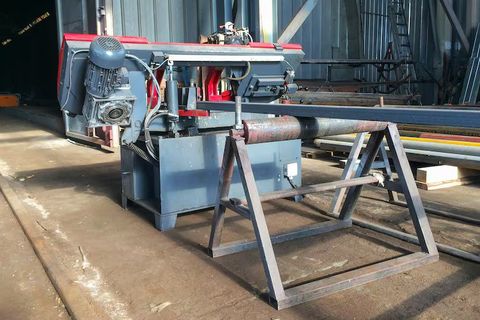
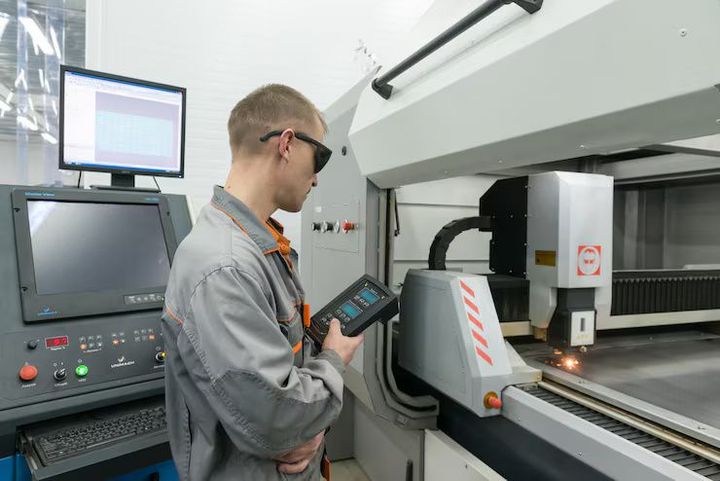
CNC pipe bending machines are advanced industrial systems used to shape metal pipes and tubes into precise angles and curves. The term CNC stands for Computer Numerical Control, which refers to automated control of machine tools through programmed software instructions.
Pipe bending has been an essential process in manufacturing industries for decades. Many sectors—including automotive, construction, aerospace, and energy—require pipes to be formed into specific shapes for fluid transport, structural frameworks, and mechanical systems. Traditional manual bending methods often lacked precision and consistency, especially for complex designs.
CNC pipe bending machines were developed to address these limitations. By integrating computer control with mechanical bending systems, these machines allow manufacturers to produce highly accurate bends with repeatable results.
The basic principle of CNC pipe bending involves clamping a pipe and applying controlled force to bend it around a die. The process is guided by programmed instructions that define angles, radii, and sequence of bends.
Key components of a CNC pipe bending machine include:
-
Control system (CNC controller)
-
Bending die and tooling system
-
Clamping mechanism
-
Pressure die and wiper die
-
Servo motors for precise movement
These machines can perform multiple bends in a single cycle, making them suitable for complex pipe geometries. The use of CNC programming allows operators to input detailed bending parameters, ensuring consistent output across large production batches.
The following table outlines common bending methods used in CNC machines.
| Bending Method | Description |
|---|---|
| Rotary draw bending | Produces precise bends using a rotating die |
| Compression bending | Uses force to bend pipe against a fixed die |
| Roll bending | Gradually bends pipe into large curves |
| Mandrel bending | Uses internal support to prevent deformation |
Understanding these methods helps explain how CNC pipe bending machines achieve high accuracy and maintain pipe integrity during the bending process.
Why CNC Pipe Bending Technology Matters in Manufacturing
CNC pipe bending machines play a critical role in modern manufacturing because they improve precision, efficiency, and production consistency. Industries that rely on complex piping systems require components that meet strict dimensional and quality standards.
Manual bending processes can introduce variability due to human factors. CNC automation reduces these inconsistencies by following programmed instructions for each bend.
Several industries depend on CNC pipe bending technology:
-
Automotive manufacturing (exhaust systems, chassis components)
-
Aerospace engineering (fuel and hydraulic lines)
-
Construction and infrastructure (structural piping)
-
Energy sector (oil, gas, and power plant piping)
-
Furniture and equipment manufacturing
The importance of CNC pipe bending can be understood through its operational advantages.
| Manufacturing Benefit | Explanation |
|---|---|
| Precision control | Ensures accurate bend angles and radii |
| Repeatability | Produces identical parts across batches |
| Reduced material waste | Minimizes errors and scrap |
| Faster production cycles | Improves manufacturing efficiency |
| Complex geometry capability | Enables multi-axis bending operations |
These advantages allow manufacturers to maintain high-quality standards while optimizing production processes.
Another important factor is structural integrity. Improper bending can cause defects such as wrinkles, cracks, or thinning of pipe walls. CNC machines use controlled force and tooling to maintain the structural strength of the material.
As manufacturing industries continue adopting automation, CNC pipe bending machines have become essential for achieving consistent and efficient production outcomes.
Recent Developments in CNC Pipe Bending Technology
The CNC manufacturing sector has experienced several technological advancements during 2024 and 2025, particularly in automation, digital integration, and precision engineering.
One major trend involves the integration of Industry 4.0 technologies into CNC systems. Modern pipe bending machines are now equipped with sensors and data monitoring systems that track machine performance in real time.
These systems allow manufacturers to:
-
Monitor bending accuracy during production
-
Detect machine wear and maintenance needs
-
Optimize production parameters using data analytics
Another development is the use of servo-electric bending systems. These systems replace traditional hydraulic components with electric drives, offering improved energy efficiency and more precise control over bending movements.
Key technological advancements include:
-
Multi-axis CNC control for complex bending operations
-
Automated loading and unloading systems
-
Digital simulation software for bend planning
-
Real-time quality monitoring systems
The following table summarizes recent innovations in CNC pipe bending.
| Innovation | Impact |
|---|---|
| Servo-electric drives | Improves precision and reduces energy usage |
| Smart sensors | Enables real-time monitoring and diagnostics |
| Digital simulation tools | Allows pre-production testing of bend designs |
| Automation integration | Reduces manual intervention |
Another important trend involves the use of 3D modeling and simulation software. Engineers can design pipe geometries digitally and simulate bending processes before actual production begins. This reduces trial-and-error and improves efficiency.
These advancements demonstrate how CNC pipe bending technology continues evolving with digital manufacturing trends.
Regulations and Standards in Pipe Bending Manufacturing
CNC pipe bending operations are influenced by industrial standards and safety regulations that ensure product quality and worker safety.
Manufacturers must comply with engineering standards related to material properties, dimensional accuracy, and structural integrity. These standards vary depending on industry applications.
Common regulatory and standardization areas include:
-
Material quality standards for pipes and tubes
-
Dimensional tolerance requirements
-
Welding and fabrication standards
-
Workplace safety regulations
For example, industries such as oil and gas require pipes to meet strict pressure and durability standards. Bending processes must not compromise the structural strength of the pipe.
International standards organizations provide guidelines for manufacturing processes. These include:
-
ISO standards for quality management systems
-
ASME standards for pressure piping systems
-
Occupational safety regulations for machine operation
The following table outlines key regulatory areas.
| Regulation Area | Purpose |
|---|---|
| Quality standards | Ensure consistent product performance |
| Safety regulations | Protect machine operators |
| Material specifications | Maintain structural integrity |
| Inspection protocols | Verify accuracy of finished components |
Compliance with these standards helps manufacturers produce reliable components while maintaining safe working environments.
Tools and Resources Used in CNC Pipe Bending
CNC pipe bending operations rely on a combination of machinery, software, and inspection tools to ensure accurate production.
Key tools used in the bending process include:
-
CNC control software for programming bending sequences
-
3D CAD software for designing pipe geometries
-
Simulation tools for testing bend feasibility
-
Measurement instruments for quality inspection
Measurement and inspection tools are particularly important for verifying accuracy. These tools ensure that bend angles and dimensions meet design specifications.
The following table highlights commonly used tools in CNC pipe bending.
| Tool | Function |
|---|---|
| CNC programming software | Controls machine operations |
| CAD design software | Creates digital pipe models |
| Simulation platforms | Tests bending processes virtually |
| Laser measurement systems | Verifies dimensional accuracy |
| Quality inspection gauges | Checks bend angles and tolerances |
Automation systems are also used to handle materials and improve workflow efficiency. These systems reduce manual handling and increase production speed.
Educational resources such as engineering manuals, manufacturing guidelines, and technical training programs help operators understand machine operation and maintenance.
Frequently Asked Questions About CNC Pipe Bending Machines
What is a CNC pipe bending machine?
A CNC pipe bending machine is an automated system that uses computer-controlled programming to bend pipes into precise shapes and angles.
What industries use CNC pipe bending?
Industries such as automotive, aerospace, construction, energy, and manufacturing use CNC pipe bending for producing components with specific geometries.
What is mandrel bending?
Mandrel bending involves placing a support tool inside the pipe during bending to prevent deformation and maintain the pipe’s internal shape.
How does CNC improve bending accuracy?
CNC systems follow programmed instructions that control movement, force, and angles, resulting in consistent and precise bends.
What are the benefits of CNC pipe bending machines?
Key benefits include improved precision, reduced material waste, faster production, and the ability to create complex pipe shapes.
Conclusion
CNC pipe bending machines represent a critical advancement in modern manufacturing technology. By combining computer control with precision mechanical systems, these machines enable accurate and repeatable pipe bending processes across various industries.
Technological developments such as servo-electric drives, digital simulation tools, and real-time monitoring systems continue to enhance the capabilities of CNC bending machines. At the same time, regulatory standards ensure that manufacturing processes maintain quality and safety.
Understanding the technology, operational methods, and benefits of CNC pipe bending machines provides valuable insight into how industrial production systems achieve efficiency, precision, and reliability in today’s manufacturing environment.