Complete Guide to Crushing Machines: Functions, Types, Uses, and Key Insights
Crushing machines play a critical role across many industries, especially in mining, construction, recycling, and material processing. These machines break down large materials—such as rocks, ores, concrete, or minerals—into smaller, manageable forms for further use.
Whether the goal is to produce aggregates for construction, prepare raw materials for manufacturing, or process waste for recycling, crushing equipment helps improve efficiency and reduce manual effort.
Benefits and Limitations of Crushing Machines
Benefits
-
Improved Productivity
Crushing machines significantly reduce the time and labor required to break down materials, allowing faster processing and increased output. -
Consistent Particle Size
These machines help achieve uniform material size, which is essential for construction aggregates, mineral processing, and manufacturing workflows. -
Cost Efficiency
Using crushing machines minimizes manual handling, reduces transportation weight, and helps recycle materials, lowering overall operational costs. -
Enhanced Safety
Automated crushing systems reduce the need for workers to manually break or process heavy materials, reducing injury risks. -
Material Versatility
Different crushing machines handle a wide variety of materials, from hard rock and ores to plastics, concrete debris, and biomass.
Limitations
-
High Initial Cost
Industrial crushing systems can be expensive and may require additional investments in installation, infrastructure, and operator training. -
Maintenance Needs
Moving parts such as jaws, hammers, or cones require periodic checks, lubrication, and replacement to avoid downtime. -
Power Consumption
Crushing machines with high capacities may consume significant energy, impacting operational expenses. -
Noise and Dust Generation
Crushing processes often create noise and dust, requiring proper controls to meet environmental and workplace standards.
Types of Crushing Machines
Crushing machines differ based on their mechanism, application, and output size requirements. Below are the most common categories:
1. Jaw Crushers
Jaw crushers use a fixed and a moving jaw plate to crush materials. They are ideal for primary crushing tasks, breaking large materials into smaller fragments.
Best for:
Hard rock, mineral ores, and initial size reduction.
2. Cone Crushers
Cone crushers use compression between a rotating cone and a fixed outer wall. They produce finer outputs compared to jaw crushers.
Best for:
Secondary or tertiary crushing, producing smaller, uniform aggregates.
3. Impact Crushers
Impact crushers use high-speed impact force to break materials. This can be done using blow bars or hammers depending on the design.
Best for:
Soft to medium-hard materials, recycling concrete, and shaping applications.
4. Hammer Mills
These crushers use rotating hammers to strike materials until they are small enough to pass through a screen.
Best for:
Soft materials, biomass, limestone, and mineral processing.
5. Roll Crushers
Roll crushers use two rotating cylinders to draw material in and crush it through compression.
Best for:
Coal, clay, and low-abrasive materials.
6. Gyratory Crushers
Gyratory crushers operate with a conical head inside a larger concave surface, offering high capacity and uniform crushing.
Best for:
Large-scale mining operations and primary crushing in heavy-duty environments.
7. Mobile Crushers
These units combine crushing power with mobility, allowing on-site processing without transporting materials offsite.
Best for:
Construction sites, roadwork, and remote areas.
Comparison Table: Common Crushing Machine Types
| Crushing Machine Type | Output Size | Best Use Case | Mobility | Material Hardness Handling |
|---|---|---|---|---|
| Jaw Crusher | Medium | Primary crushing | Stationary/Mobile | High |
| Cone Crusher | Fine | Secondary/Tertiary | Stationary/Mobile | High |
| Impact Crusher | Fine/Medium | Recycling, shaping | Stationary/Mobile | Medium |
| Hammer Mill | Fine | Minerals, soft material | Stationary | Low/Medium |
| Roll Crusher | Medium | Coal, clay | Stationary | Low |
| Gyratory Crusher | Medium | High-capacity primary | Stationary | High |
Latest Trends and Innovations in Crushing Machines
1. Automation and Smart Controls
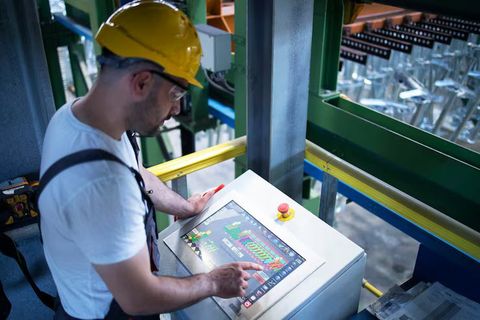
Modern crushing machines often include digital interfaces, sensors, and automated systems that monitor load, adjust speed, and improve efficiency. These systems help reduce human error and enhance safety.
2. Energy-Efficient Designs
Manufacturers are developing machines that consume less power while maintaining output. Variable-frequency drives, optimized rotor designs, and intelligent power management help reduce energy use.
3. Portable and Hybrid Models
Mobile crushing units with hybrid diesel-electric engines are gaining popularity for reducing fuel consumption and enabling operations in remote locations.
4. Wear-Resistant Materials
Advancements in metallurgy have led to longer-lasting wear plates, hammers, and liners, reducing maintenance frequency and improving durability.
5. Noise and Dust Control Enhancements
New designs incorporate improved enclosure systems, dust suppression units, and noise-reducing components to meet environmental standards.
Key Features to Consider When Evaluating a Crushing Machine
When selecting a crushing machine, it is important to evaluate both technical and practical features.
1. Capacity and Throughput
The required output per hour will determine the machine size and power. Industrial operations typically need higher capacities.
2. Material Compatibility
Different machines work better with specific materials. Matching material hardness, abrasiveness, and moisture levels to the machine type ensures efficient processing.
3. Power Requirements
Consider energy usage, electrical needs, or whether a hybrid model is ideal for mobile use.
4. Size Reduction Ratio
This refers to how much the machine can reduce the original material size. Higher ratios are needed for finer outputs.
5. Maintenance Requirements
Check the availability of spare parts, ease of component replacement, and maintenance intervals.
6. Mobility
Some projects benefit from portable crushers that can be moved around worksites.
7. Safety Features
Look for emergency stops, overload protection, safety guards, and compliance with industry standards.
Top Companies and Solutions
Here are some widely recognized companies offering industrial crushing machines. Users can explore their publicly available product information through the following links.
1. Metso
Website: www.metso.com
Known for jaw crushers, cone crushers, and mobile crushing solutions.
2. Sandvik
Website: www.rocktechnology.sandvik
Specializes in cone and gyratory crushers with advanced control systems.
3. Terex
Website: www.terex.com
Provides versatile crushing equipment for construction and mining.
4. FLSmidth
Website: www.flsmidth.com
Offers crushers mainly for mining and cement industries.
5. Keestrack
Website: www.keestrack.com
Focuses on mobile crushing and screening equipment.
6. Thyssenkrupp Industrial Solutions
Website: www.thyssenkrupp-industrial-solutions.com
Provides large-scale gyratory and jaw crushers.
Comparison: Popular Crusher Brands
| Company | Strengths | Primary Machine Types |
|---|---|---|
| Metso | High durability, advanced automation | Jaw, Cone, Mobile |
| Sandvik | Precision engineering, smart controls | Cone, Gyratory |
| Terex | Versatile and site-friendly designs | Jaw, Impact, Mobile |
| Keestrack | Eco-friendly mobile units | Mobile Impact, Cone |
| FLSmidth | Specialized for mining operations | Gyratory, Jaw |
How to Choose the Right Crushing Machine
Choosing the right crushing machine involves assessing operational needs and matching them to machine capabilities. Consider the following approach:
1. Identify the Material Type
Whether it's rock, ore, concrete, or biomass, the material's hardness, abrasiveness, and moisture level will influence machine selection.
2. Define Output Requirements
Determine the desired final particle size and production capacity.
3. Assess Work Environment
Mobile crushers suit temporary sites, while stationary units are better for continuous operations.
4. Consider Budget and Operating Costs
Compare not only the initial machine cost but also long-term expenses related to maintenance, energy, and replacement parts.
5. Check Compatibility with Existing Systems
Ensure the chosen machine integrates smoothly with conveyors, feeders, and screening systems.
6. Review Safety and Compliance
Make sure the equipment meets local safety standards and includes necessary protective features.
Checklist for Choosing a Crushing Machine
-
Type of material to be processed
-
Required output size
-
Production capacity per hour
-
Stationary or mobile requirement
-
Energy consumption level
-
Maintenance and wear part availability
-
Noise and dust control features
-
Safety compliance
-
Integration with existing systems
-
Long-term operating costs
Tips for Best Use and Maintenance of Crushing Machines
1. Conduct Regular Inspections
Check components such as jaws, liners, bearings, and hammers to reduce unexpected failures.
2. Lubricate Moving Parts
Proper lubrication extends machine life and prevents friction-related damage.
3. Maintain Consistent Feed Size
Overloading or feeding oversized material can cause machine strain and reduce efficiency.
4. Replace Wear Parts Promptly
Worn components reduce output quality and may increase energy usage.
5. Monitor Energy Consumption
Sudden increases may signal mechanical issues or overloaded systems.
6. Train Operators Properly
Well-trained operators ensure safer and more efficient use of equipment.
7. Keep Records of Maintenance
Documenting repairs and inspections helps with troubleshooting and long-term planning.
Frequently Asked Questions (FAQs)
1. What materials can crushing machines process?
Crushing machines can handle a variety of materials, including rock, ores, concrete, asphalt, coal, clay, biomass, and certain industrial waste. The appropriate machine depends on hardness and abrasiveness.
2. How often should a crushing machine be maintained?
Maintenance depends on usage, but most machines require regular lubrication, routine inspections, and periodic replacement of wear parts. Heavy-duty operations may need weekly checks.
3. Are mobile crushers as effective as stationary ones?
Mobile crushers can match stationary performance for many applications, especially in construction or short-term projects. However, large mining operations often prefer stationary units for higher capacity.
4. How long do wear parts typically last?
Wear part lifespan depends on material type, operating conditions, and machine design. Some parts may last weeks, while others may last months under lighter loads.
5. What safety measures are important when using crushing machines?
Essential safety features include emergency stop systems, overload protection, guarding, dust suppression, and adherence to standard operating procedures.
6. Can crushing machines be used in recycling?
Yes, impact crushers and mobile units are commonly used to process construction debris, asphalt, and concrete for reuse.
Conclusion
Crushing machines are essential across many industrial processes, supporting efficient material handling, size reduction, and recycling efforts. Understanding their functions, types, innovations, and key selection criteria helps users choose the right equipment and operate it effectively. While each machine serves a specific purpose, all contribute to improving productivity and delivering consistent, high-quality output.
By following proper maintenance practices, evaluating features carefully, and selecting the right system based on material and capacity needs, businesses and operators can achieve smoother workflows and long-term performance. This guide aims to provide clear and practical insights for anyone working with or researching crushing machines in various industrial settings.