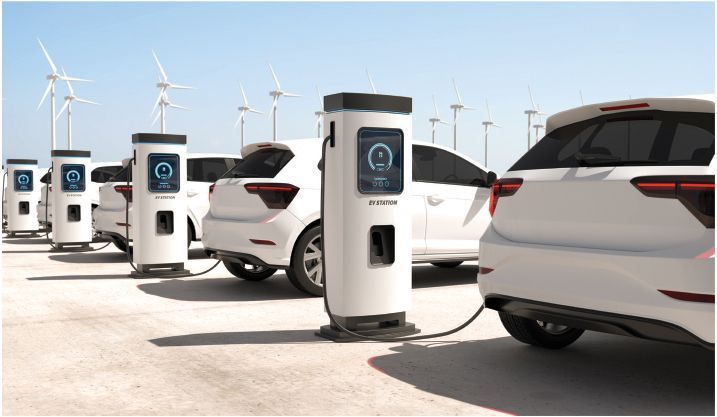
EVs Explained: Your Ultimate Guide to Electric Cars
Electric cars have become an essential part of modern transportation, offering a cleaner and potentially more cost-efficient alternative to traditional gasoline-powered cars.
Benefits and Limitations of Electric Cars
Benefits
-
Lower operating costs: Electricity generally costs less per mile than gasoline.
-
Reduced maintenance: EVs contain fewer moving parts, eliminating oil changes and reducing wear on brakes due to regenerative braking systems.
-
Environmental advantages: Zero tailpipe emissions help reduce local air pollution.
-
Quiet and smooth driving: Electric motors offer instant torque and smooth acceleration.
-
Home charging flexibility: Many drivers enjoy the convenience of charging overnight at home.
Limitations
-
Charging availability: While electric car charging stations are increasing, some areas still have limited infrastructure.
-
Higher upfront costs: Many EVs remain more expensive than similar gasoline models, though affordable electric cars are now emerging.
-
Range considerations: Not all EV car models deliver long ranges, and some drivers may need to plan charging stops for longer trips.
-
Battery degradation: Over time, electric car batteries naturally lose some capacity, though improvements in technology have significantly slowed this process.
Types of Electric Vehicles
Understanding the various types of EVs helps buyers choose an option suited to their needs.
Battery Electric Vehicles (BEVs)
-
Fully electric
-
Powered only by an electric car battery
-
Produce zero emissions
-
Require external charging
-
Examples:Tesla Model 3, Nissan Leaf, Hyundai Ioniq 5
Hybrid Electric Cars (HEVs)
-
Powered by a combination of gasoline and electric motors
-
Batteries charge automatically through regenerative braking
-
No external charging required
-
Examples:Toyota Prius, Honda Insight
Plug-In Hybrid Electric Vehicles (PHEVs)
-
Combine electric motors with gasoline engines
-
Can run in all-electric mode for short distances
-
Require external charging for maximum benefit
-
Examples:Toyota RAV4 Prime, Mitsubishi Outlander PHEV
Fuel-Cell Electric Vehicles (FCEVs)
-
Use hydrogen fuel to produce electricity
-
Emit only water vapor
-
Require hydrogen refueling stations, which are limited
-
Examples:Toyota Mirai, Hyundai Nexo
Latest Trends and Innovations in EV Technology
The EV industry continues to innovate, offering more advanced features and capabilities each year.
1. Longer-Range Batteries
Battery density has improved significantly, resulting in EV car ranges commonly exceeding 250 miles, with premium models surpassing 350 miles.
2. Faster Charging Speeds
Ultra-fast charging networks allow some EVs to add hundreds of miles of range in under 30 minutes.
3. Solid-State Batteries
Manufacturers are researching solid-state battery technology, which may offer safer, lighter, and longer-lasting power sources.
4. Vehicle-to-Home (V2H) and Vehicle-to-Grid (V2G)
Some EVs can supply power back to homes or the grid, creating flexible and efficient energy systems.
5. Affordable Electric Cars Expanding
More brands are offering budget-friendly options, making EV ownership accessible to a broader audience.
6. Integrated Digital Features
Modern EVs often include connected apps, remote diagnostics, smart navigation to charging stations, and advanced driver-assistance systems.
Key Features to Consider When Choosing an Electric Car
When comparing EV car models, it helps to focus on features that affect comfort, cost, and long-term usability.
Range
Look for an EV range that comfortably meets your daily driving needs. Longer-range cars may be more expensive but reduce charging frequency.
Battery Capacity and Warranty
Most manufacturers offer an 8-year or 100,000-mile battery warranty. Larger batteries provide longer range but cost more.
Charging Options
Consider whether you'll rely mainly on at-home charging or frequently use public electric car charging stations.
Performance
Electric cars deliver quick acceleration. Consider horsepower, torque, and drivetrain options such as rear-wheel, front-wheel, or all-wheel drive.
Interior Comfort and Technology
Evaluate infotainment systems, seating space, cargo capacity, and advanced driver-assistance features.
Cost and Incentives
Factor in purchase price, maintenance savings, home charging installation, and any local incentives for EVs.
Comparison Table: Types of EVs
| Type of Vehicle | Requires Charging | Uses Gasoline | Typical Range | Ideal For |
|---|---|---|---|---|
| BEV | Yes | No | 150–350+ miles | Daily driving and long commutes |
| PHEV | Yes | Yes | 20–50 miles electric + gas backup | Flexible use and mixed travel |
| HEV | No | Yes | Similar to gas cars | Drivers wanting better fuel economy |
| FCEV | Hydrogen | No | 300+ miles | Regions with hydrogen stations |
Top EV Companies and Solutions
Below are widely recognized manufacturers and networks offering electric cars, hybrid electric cars, and EV charging solutions. These public links provide additional neutral information about each brand or service.
Major Automakers Producing Electric Cars
-
Tesla – https://www.tesla.com
-
Nissan – https://www.nissanusa.com
-
Hyundai / Kia – https://www.hyundaiusa.com | https://www.kia.com
-
Ford – https://www.ford.com
-
Chevrolet (GM) – https://www.chevrolet.com
-
Volkswagen – https://www.vw.com
-
BMW – https://www.bmwusa.com
Leading Charging Networks
-
ChargePoint – https://www.chargepoint.com
-
Electrify America – https://www.electrifyamerica.com
-
EVgo – https://www.evgo.com
These companies are frequently mentioned for offering some of the best electric cars, expanding infrastructure, and advances in EV technology.
How to Choose the Right Electric Car
Choosing the right EV involves balancing practical needs, cost, and long-term convenience.
1. Evaluate Your Range Requirements
Consider your daily driving distance, weekend trips, and climate, as range may vary in colder or hotter weather.
2. Consider Charging Access
If you can charge at home, your options are wide. Without home charging, look for EVs with fast-charging support and check local station availability.
3. Set a Budget
Decide whether you're looking for affordable electric cars or premium models. Include installation costs for home chargers.
4. Compare Features Across EV Car Models
Look at safety ratings, cabin comfort, storage space, and software interfaces.
5. Think About Long-Term Ownership
Review battery warranty terms, expected maintenance, and manufacturer support.
6. Test Drive When Possible
Driving helps determine whether ride quality, noise levels, and features match your expectations.
Checklist: What to Review Before Buying an EV
-
Your typical daily mileage
-
Access to electric car charging stations or home charging
-
EV range compared to your travel habits
-
Price, incentives, and long-term savings
-
Cargo space and passenger room
-
Battery warranty terms
-
Safety ratings
-
Software updates and digital features
-
Charging speed compatibility
Tips for Best Use and Maintenance
Electric cars require different care than gasoline vehicles, but maintenance is generally simpler.
Charging Wisely
-
Charge overnight when rates are lower if your utility offers time-of-use pricing.
-
Maintain the battery between 20 and 80 percent for daily use when possible.
Battery Care
-
Avoid prolonged exposure to extremely hot temperatures.
-
Use fast charging mainly for long trips rather than daily charging.
Regular Maintenance
-
Check tires, air filters, and brake pads as recommended.
-
Keep software updated for improved features and performance.
Driving Habits
-
Smooth acceleration helps extend range.
-
Use regenerative braking modes to recover energy.
Planning Trips
-
For longer drives, plan stops at electric car charging stations in advance using apps or vehicle navigation systems.
Comparison Table: Top Considerations for EV Buyers
| Feature | Why It Matters | What to Look For |
|---|---|---|
| Range | Determines daily and long-distance usability | 200+ miles for average drivers |
| Charging Speed | Impacts convenience on long trips | Fast-charging capability (100 kW+) |
| Price | Influences overall affordability | Competitive pricing and incentives |
| Battery Warranty | Ensures long-term reliability | 8 years or 100,000 miles |
| Interior Technology | Enhances comfort and usability | Intuitive screens, navigation, safety features |
| Brand Support | Helps with service and updates | Strong dealer or service network |
FAQs: Real User Concerns
Are electric cars really cheaper to operate?
In many regions, yes. Electricity often costs less per mile than gasoline, and EVs require less maintenance due to fewer mechanical parts.
What is the average EV range?
Many EVs now offer 200 to 300 miles per charge. Premium models may exceed 350 miles.
Can I use public charging stations if I do not have home charging?
Yes. Many drivers depend entirely on public charging, but it may require planning based on station availability.
How long does it take to charge an electric car?
Charging time varies:
-
Level 1 home charging: slow, suited for overnight use
-
Level 2 home charging: 4 to 10 hours
-
Fast charging: 20 to 45 minutes for substantial range
Do electric car batteries wear out?
Batteries lose capacity slowly over time. Most manufacturers include long warranties to ensure functionality.
Are hybrid electric cars still relevant?
Yes. Hybrids and plug-in hybrids offer flexible options for drivers not ready to transition to fully electric vehicles.
Conclusion: A Practical Takeaway
Electric cars are no longer a future concept but a realistic option for everyday transportation. With improved EV technology, broader availability of charging stations, and more affordable electric cars than ever before, many drivers are finding that EVs fit seamlessly into their routines. Understanding different EV car models, ranges, features, and maintenance needs allows you to make a choice aligned with your lifestyle.
Whether you are exploring hybrid electric cars, fully electric models, or plug-in hybrids, taking time to compare your options ensures a smoother and more rewarding ownership experience. As the market evolves, electric cars will continue offering enhanced convenience, sustainability, and innovation.
If you would like, I can also format this article into a downloadable PDF, create a shorter version, or add keyword-focused sections.