Exploring Packaging Machines with Key Techniques, Helpful Tips, and Smart Solutions
Packaging machines have become essential in modern manufacturing and distribution systems.
Benefits of Packaging Machines
Packaging machines support a wide range of production environments. Their benefits include:
1. Consistent Output Quality
Machines follow defined parameters, reducing errors that often occur with manual handling. This ensures uniform packaging size, weight, sealing, and labeling.
2. Increased Productivity
Automation accelerates repetitive tasks such as filling, capping, wrapping, and palletizing. Systems like vertical form and fill machines or traco shrink wrap machines help maintain steady output during long production cycles.
3. Better Safety and Hygiene
In industries such as food and pharmaceuticals, packaging machines help minimize human contact, reducing contamination risks.
4. Waste Reduction
Accurate dispensing systems reduce material loss in processes involving films, labels, cartons, and adhesives. Technologies like hot melt case sealers use precise application to avoid overuse of sealing materials.
5. Energy and Cost-Efficiency Over Time
Although initial investment may be significant, automated solutions reduce labor needs, minimize rework, and operate with lower long-term costs.
Limitations to Consider
While packaging machines offer clear advantages, it is important to acknowledge limitations:
1. Initial Investment and Setup Time
Automation solutions often require planning, space allocation, training, and integration with existing lines.
2. Maintenance and Technical Skill
Machines such as pressure-sensitive labeling systems or automated inspection units require skilled operators for routine checks and troubleshooting.
3. Compatibility Issues
Not all machines work with every material. Compatibility with films, cartons, adhesives, or product shapes must be verified before deployment.
4. Downtime
Mechanical issues or settings misalignment can pause entire production processes, affecting output schedules.
Types of Packaging Machines
Packaging machines serve different stages of the packaging process. Below are the broad categories commonly used in manufacturing and distribution.
1. Filling and Dispensing Machines
Designed to measure and dispense liquids, powders, or granules into containers or pouches. The vertical form and fill machine is one of the most widely used systems in food processing.
2. Sealing and Wrapping Machines
These include heat sealers, flow wrappers, and shrink wrap systems such as the traco shrink wrap machine. They protect products from moisture, dust, and tampering.
3. Labeling Machines
Pressure-sensitive labeling machines apply labels accurately on bottles, boxes, or pouches using adhesive-backed materials.
4. Case Forming and Sealing Machines
Machines like hot melt case sealers create and seal corrugated boxes, improving speed and consistency for shipping operations.
5. Conveying and Material Handling Systems
Conveyors, sorters, and automated systems link various packaging stages. These support integration with storage and picking systems.
6. Inspection and Quality Control Units
These include weight checkers, metal detectors, and vision systems for assuring consistency and safety.
7. Storage and Retrieval Systems
Modern warehouses often use advanced storage automation solutions such as automated shelving systems and vertical lift modules, optimizing space and improving packaging flow.
Latest Trends and Innovations in Packaging Technology
Packaging technology continues developing to support modern manufacturing needs. Key trends include:
1. Smart Automation and Connectivity
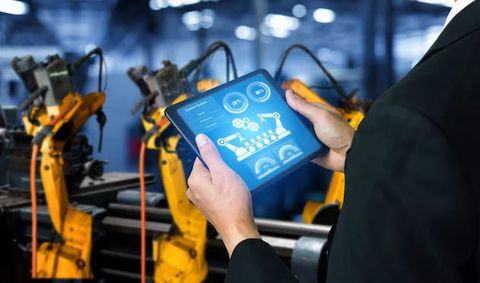
Sensors, data analytics, and wireless monitoring are improving predictive maintenance, energy use tracking, and output consistency.
2. Integration With Production Automation Companies
Packaging lines increasingly connect with systems managed by production automation companies, creating smooth transitions between manufacturing, inspection, and packing.
3. Robotics in Packaging
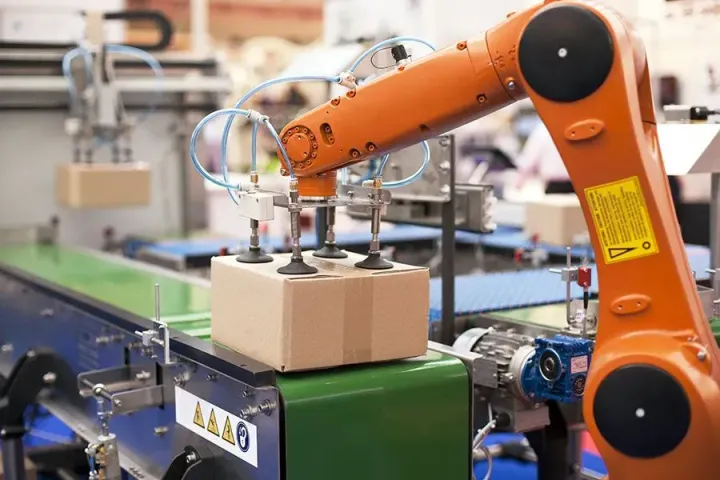
Robotic arms perform tasks such as palletizing, pick-and-place operations, or delicate handling, enhancing efficiency in high-volume production.
4. Sustainable Packaging Materials
Improved recyclability and biodegradable films have prompted machine upgrades for better compatibility.
5. Modular Equipment Designs
Machines are designed with interchangeable parts, supporting quick format changes and reducing downtime.
Key Features to Consider Before Selecting a Packaging Machine
Choosing a packaging machine requires a clear understanding of operational needs. Here are essential features to review:
1. Production Speed
Select machines that align with daily output expectations.
2. Material Compatibility
Check whether machines support the required plastics, paperboard, adhesives, shrink films, or label materials.
3. Automation Level
Determine if manual, semi-automatic, or fully automated systems best fit your current infrastructure.
4. Integrability
Ensure the machine can communicate with conveyors, storage systems, or manufacturing software.
5. Safety Features
Look for guards, lockout mechanisms, and emergency stop integrations.
6. Maintenance Needs
Evaluate how often the machine requires cleaning, lubrication, or part replacement.
Comparison Table: Common Packaging Machine Options
Below is an example of how three popular packaging solutions compare:
Packaging Machine Comparison Table
| Machine Type | Main Function | Best For | Key Strength | Typical Limitation |
|---|---|---|---|---|
| Vertical Form and Fill Machine | Forms, fills, and seals pouches | Snacks, grains, powders | High speed & accuracy | Limited to flexible films |
| Hot Melt Case Sealer | Seals corrugated boxes with hot adhesive | Shipping lines | Strong, durable bonds | Requires heating system maintenance |
| Pressure-Sensitive Labeling Machine | Applies adhesive-backed labels | Bottles, boxes, pouches | High precision labeling | Adhesive buildup requires frequent cleaning |
Top Companies and Solutions
Several companies provide packaging machinery for industrial use. Below are neutral, publicly accessible reference points:
-
Bosch Packaging (Syntegon Technologies)
https://www.syntegon.com
Offers filling, sealing, and inspection systems for food and pharma. -
ULMA Packaging
https://www.ulmapackaging.com
Known for flow wrappers and thermoforming systems. -
IMA Group
https://ima.it
Provides processing and packaging solutions for multiple industries. -
MULTIVAC
https://multivac.com
Offers end-of-line packaging and automation systems.
These links allow readers to explore available technologies without implying recommendations or promotional intent.
How to Choose the Right Packaging Machine
Selecting the right solution requires careful evaluation of operational needs. Here is a simplified guide:
1. Define Product Requirements
Shape, size, fragility, temperature sensitivity, and packaging material requirements should be identified early.
2. Review Packaging Equipment and Supply Availability
Confirm compatibility with films, adhesives, shrink wraps, and carton supplies already used.
3. Evaluate Workflow Integration
Ensure the machine aligns with conveyors, storage units, and existing automation, especially if collaborating with a production automation company.
4. Consider Space and Utilities
Machines vary in size and may require electrical, pneumatic, or heating support.
5. Plan for Maintenance
Availability of spare parts and technician support helps reduce downtime.
Checklist: What to Review Before Purchasing
-
Packaging material types
-
Machine speed per minute
-
Cost of maintenance
-
Required operator skills
-
Floor space and power source compatibility
-
Integration with storage or automation systems
-
Safety compliance regulations
-
Cleaning and sanitation needs
Tips for Best Use and Maintenance
1. Regular Calibration
Ensures accuracy in filling, sealing, and labeling.
2. Use Quality Packaging Supplies
Films, adhesives, cartons, and labels should match the machine’s specifications.
3. Clean Moving Parts Frequently
Particularly important for labelers and wrapping systems to prevent buildup.
4. Monitor Wear Components
Belts, knives, heating elements, and rollers should be checked routinely.
5. Maintain Consistent Operating Conditions
Temperature, humidity, and dust levels can influence performance.
FAQs: Common Questions About Packaging Machines
1. Do packaging machines work with any type of packaging material?
Not always. Machines are designed for specific materials such as films, cartons, trays, or adhesive labels. Always verify compatibility.
2. What is the difference between a shrink wrap machine and a flow wrapper?
Shrink wrap systems use heat to wrap a film tightly around products, while flow wrappers use continuous rolls of film to create sealed enclosures.
3. How much maintenance do labeling machines need?
Pressure-sensitive labelers require regular cleaning and alignment checks due to adhesive buildup.
4. Are automated case sealers difficult to operate?
Most hot melt case sealers are designed for ease of use but require proper setup and safety training.
5. What industries use vertical form and fill machines?
They are widely used in food, agriculture, chemicals, and small consumer goods.
Conclusion: Moving Toward Smarter Packaging
Packaging machines play a central role in modern production and distribution systems. As industries grow more dependent on automation, the need for reliable, efficient, and adaptable packaging equipment continues to rise. From sealing and labeling to inspection and storage, each machine supports a specific phase in product handling and shipment.
Understanding the available technologies, reviewing operational needs, and planning for long-term efficiency helps ensure a suitable choice. With ongoing advancements in sensors, connectivity, and sustainability, packaging equipment will continue evolving to support both small-scale and high-volume operations.
This guide provides a foundational overview for readers seeking clarity on packaging machines, their techniques, practical uses, and smart solutions suited to modern manufacturing environments.