Guide to Leak Repair and Waterproofing
Leak repair and waterproofing are essential components of maintaining the structural integrity and safety of buildings. These practices involve identifying and fixing water intrusion points and applying methods to prevent future water damage.
Leaks can occur in roofs, basements, walls, windows, and plumbing systems, often due to wear and tear, poor construction, or natural events like heavy rainfall. Waterproofing, on the other hand, involves creating barriers that prevent water from entering these vulnerable areas in the first place.
Without proper leak repair and waterproofing, properties can suffer from mold growth, foundation damage, electrical hazards, and reduced property value. These issues are not only costly but also pose serious health and safety risks to occupants.
Why leak repair and waterproofing matter more today
Proper water management in buildings has become increasingly important for a number of reasons:
-
Urbanization and aging infrastructure: As cities expand and older buildings age, the risk of leaks and water intrusion increases.
-
Climate change and extreme weather: Heavier rainfalls and unpredictable weather patterns have made homes more susceptible to water damage.
-
Health and safety concerns: Water leaks can lead to mold and mildew, which may trigger allergies, asthma, and respiratory problems.
-
Property value and maintenance: Persistent moisture can degrade building materials and reduce a property's market value.
Leak repair and waterproofing are particularly critical for:
-
Homeowners and tenants in flood-prone or high-rainfall areas
-
Commercial property owners seeking long-term durability
-
Builders and architects designing for moisture control
-
Local governments aiming to prevent infrastructure failures
Recent trends and updates in waterproofing and leak repair (2024–2025)
In recent years, the leak repair and waterproofing industry has seen innovation and regulatory attention:
-
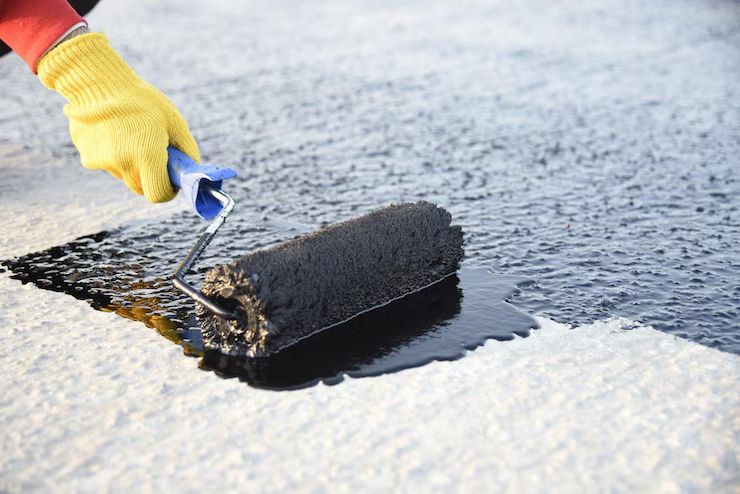
Green waterproofing systems (2024): There is growing adoption of environmentally friendly waterproofing materials like rubberized asphalt alternatives and water-based sealants. These reduce VOC (volatile organic compound) emissions.
-
Smart monitoring tools: New technologies like leak detection sensors and moisture-monitoring IoT devices are being used in modern buildings to track water intrusion in real-time.
-
Rising insurance claims: A 2024 report from the Insurance Bureau indicated a 17% rise in water damage claims across North America due to weather-related leaks.
-
Improved building codes: In response to recent disasters, many municipalities have updated their codes to include stricter waterproofing requirements for new constructions.
These trends show a shift toward proactive moisture control through tech integration and sustainable practices.
Laws, building codes, and insurance policies related to waterproofing
Leak repair and waterproofing practices are influenced by local and national regulations, which vary by region. Here are some common ways policies impact this field:
Building codes
Most countries have specific codes requiring waterproofing in:
-
Basements and crawl spaces
-
Roofs and terraces
-
Bathrooms and wet areas
For example, in the U.S., the International Residential Code (IRC) mandates water-resistant barriers behind exterior walls and roof flashing installations.
Insurance coverage
Homeowners' insurance often includes coverage for sudden water damage (e.g., pipe bursts) but may not cover gradual leaks. Insurance companies may require proof of maintenance and preventive waterproofing to process claims.
Government subsidies or programs
-
Some local governments offer grants or rebates for flood-proofing or basement waterproofing, especially in high-risk zones.
-
In cities like Toronto and Chicago, municipal programs cover partial costs of sump pump installations and foundation crack repairs.
It’s important for homeowners and property managers to stay updated with local building department guidelines.
Tools, apps, and resources for leak repair and waterproofing
There are several resources available to help identify leaks, assess waterproofing needs, and maintain water protection systems.
| Tool/Resource | Purpose |
|---|---|
| Moisture meters (e.g., Protimeter) | Detect hidden dampness in walls and floors |
| Infrared thermal imaging cameras | Locate temperature changes linked to moisture |
| Smart leak detectors (e.g., Flo by Moen, Phyn Plus) | Monitor and alert about leaks in real time |
| Waterproofing sealants (e.g., liquid membranes, epoxy injection kits) | Used in DIY and professional applications |
| Online calculators (e.g., cost estimators) | Help estimate waterproofing project budgets |
| YouTube tutorials | Step-by-step guidance for minor repairs |
| Government websites (e.g., FEMA, local housing agencies) | Offer guidelines for flood and water damage protection |
These tools and platforms empower individuals to take preventive steps and respond quickly when water intrusion is suspected.
Frequently Asked Questions
What are the most common signs of a leak in the home?
Common indicators include:
-
Water stains on ceilings or walls
-
Musty odors
-
Peeling paint or wallpaper
-
Damp carpets or floors
-
Increased water bills without increased usage
Can I do waterproofing on my own, or should I hire a professional?
It depends on the scale. DIY solutions like sealant application may work for minor cracks or window leaks. However, major waterproofing—such as foundation wall treatments, sump pump installations, or full-roof repairs—typically require licensed professionals to ensure durability and compliance with building codes.
How often should waterproofing be inspected or renewed?
Experts recommend inspecting waterproofed areas annually. Roofs and basements in particular should be checked before and after rainy seasons. Materials like coatings may need reapplication every 5–10 years depending on wear and environmental exposure.
Is waterproofing covered by insurance?
Most insurance policies cover damage caused by water (e.g., burst pipes) but not preventive waterproofing measures themselves. Check your policy for coverage details and whether maintenance documentation is required for claims.
Are there eco-friendly waterproofing options available?
Yes. Water-based sealants, recycled rubber membranes, and non-toxic silicone-based products are examples of sustainable materials now widely used in green construction. These options reduce environmental impact without compromising performance.
Final thoughts
Leak repair and waterproofing are critical for the long-term safety, comfort, and value of residential and commercial properties. As climate risks rise and buildings age, investing time and resources into these solutions becomes not only practical but essential.
From advanced tools and smart monitoring systems to evolving building codes and eco-friendly materials, the landscape of leak prevention and water protection continues to evolve. Staying informed and proactive is key to protecting structures from water-related damage.