Hydraulic Baling Presses for Waste Management and Recycling Complete Guide
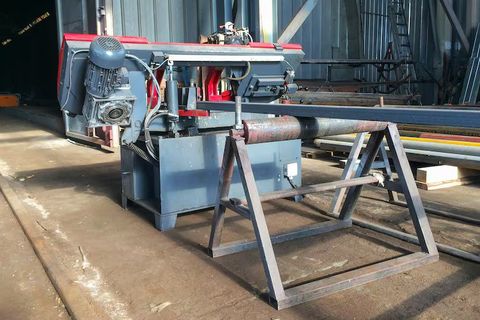
Hydraulic baling presses are industrial machines used to compress waste materials into compact, manageable bales. These machines operate using hydraulic force to reduce the volume of materials such as paper, plastic, cardboard, textiles, and metal scraps. The concept exists to address the growing challenge of waste management by improving storage, handling, and transportation efficiency. As urbanization and industrial activities increase, large volumes of waste are generated daily, making it essential to adopt systems that can organize and process waste effectively. Hydraulic baling presses play a key role in this process by transforming loose waste into structured, recyclable units.
Importance of Hydraulic Baling Presses in Waste Management
Hydraulic baling presses are essential in modern waste management and recycling systems. They are widely used in recycling centers, manufacturing facilities, warehouses, and municipal waste handling units.
One of the primary reasons these machines are important is volume reduction. Loose waste occupies significant space, making storage and transport inefficient. Baling presses compress materials into dense blocks, allowing better space utilization.
Another key benefit is improved material handling. Compact bales are easier to stack, store, and move, which simplifies logistics and reduces operational complexity.
Key problems addressed include:
- Excessive waste volume
- Inefficient transportation
- Difficulty in handling recyclables
- Environmental impact of unmanaged waste
Working Process of Hydraulic Baling Presses
The working process involves a sequence of steps:
- Waste collection and loading into the chamber
- Hydraulic compression using a press ram
- Bale formation into compact blocks
- Binding using wires or straps
- Bale ejection for storage or transport
This process ensures consistent and efficient waste handling.
Key Features of Hydraulic Baling Presses
Modern machines include:
- High-pressure hydraulic systems
- Automatic or semi-automatic operation
- Durable chamber construction
- Safety systems and emergency controls
- Energy-efficient mechanisms
- Adjustable bale size settings
These features improve reliability and operational efficiency.
Types of Hydraulic Baling Presses
| Type | Application Area | Key Advantage |
|---|---|---|
| Vertical Baler | Small facilities | Space-saving design |
| Horizontal Baler | Large operations | High-volume processing |
| Automatic Baler | Industrial environments | Reduced manual involvement |
| Semi-Automatic Baler | Medium-scale operations | Balanced control and automation |
Recent Updates and Trends (2024–2025)
Recent developments include:
- Adoption of smart monitoring systems (2024)
- Increased focus on energy-efficient designs (mid-2024)
- Integration with digital waste tracking platforms (late 2024–2025)
- Improved handling of mixed recyclable materials
These trends reflect a shift toward automation and sustainability.
Laws and Regulations in India
Key regulations include:
- Solid Waste Management Rules, 2016
- Plastic Waste Management Rules (updated)
- E-Waste Management Rules, 2016
- Pollution Control Board guidelines
These frameworks ensure safe, compliant, and environmentally responsible waste processing.
Tools and Resources for Waste Management
Useful tools include:
- Waste segregation systems
- Material handling equipment
- Monitoring and reporting software
- Maintenance tracking systems
- Safety and training modules
These resources support efficient and structured waste management practices.
Frequently Asked Questions
What is a hydraulic baling press?
A machine that compresses waste into compact bales for easier handling and recycling.
What materials can be processed?
Paper, plastic, cardboard, textiles, and metal scraps.
How does it help recycling?
By organizing waste into manageable forms for transport and processing.
Are these machines energy efficient?
Modern systems are designed to optimize energy usage.
Where are they commonly used?
Recycling centers, warehouses, and industrial facilities.
Conclusion
Hydraulic baling presses are essential for efficient waste management and recycling operations. They reduce waste volume, improve handling processes, and support sustainable practices. With advancements in automation and regulatory support, these machines continue to play a key role in modern environmental management systems.