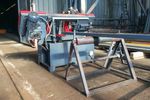
Importance of Hydraulic Systems in Industrial Applications
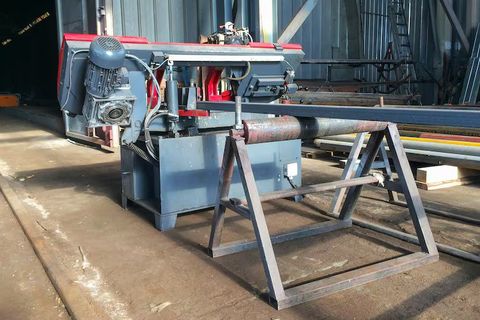
Hydraulic systems play a vital role in modern industrial operations. They are used in machinery that requires lifting, pressing, bending, or moving heavy loads with precision.
One of the main reasons hydraulic systems are important is their ability to generate high force with minimal input. This makes them ideal for applications such as presses, lifting equipment, and automated production lines.
Another key advantage is control and accuracy. Hydraulic systems allow smooth and precise movement, which is essential in industries where accuracy directly affects product quality.
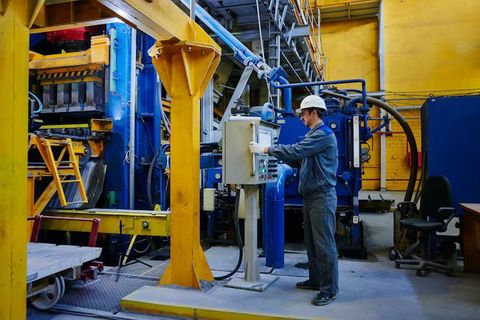
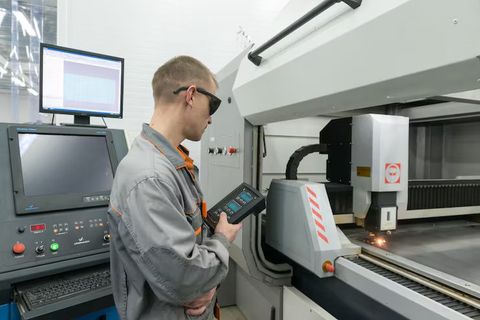
Hydraulic machines also improve operational efficiency by reducing manual effort and enabling automation. This contributes to faster production cycles and consistent performance.
Key challenges addressed by hydraulic systems include:
-
Handling heavy loads efficiently
-
Achieving precise motion control
-
Reducing manual labor in industrial tasks
-
Maintaining consistent performance under high pressure
-
Supporting automation in manufacturing processes
Key Components of Hydraulic Machine Systems
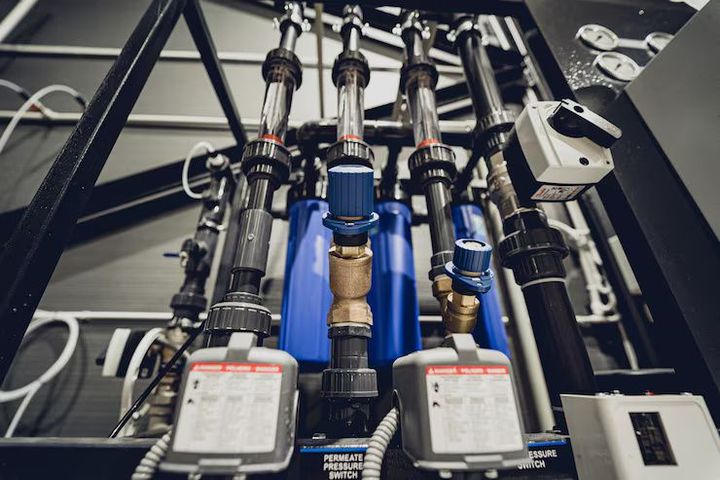
Hydraulic systems consist of several interconnected components that work together to transmit and control fluid power.
Main components include:
-
Hydraulic Pump
Converts mechanical energy into hydraulic energy by pressurizing the fluid
-
Hydraulic Cylinder
Converts fluid pressure into linear motion
-
Hydraulic Motor
Produces rotary motion from hydraulic energy
-
Control Valves
Regulate flow, pressure, and direction of fluid
-
Reservoir (Tank)
Stores hydraulic fluid and helps in cooling and filtration
-
Hydraulic Fluid
Acts as the medium for power transmission
-
Filters
Remove contaminants from the fluid to maintain system efficiency
-
Pipes and Hoses
Transport fluid between components
These components form a closed-loop system that ensures efficient energy transfer.
Functions of Hydraulic System Components
Each component in a hydraulic system performs a specific function that contributes to overall system performance.
| Component | Function Description | Key Role in System |
|---|
| Hydraulic Pump | Generates fluid pressure | Power source |
| Cylinder | Produces linear motion | Force application |
| Motor | Produces rotational motion | Movement generation |
| Control Valves | Direct and regulate fluid flow | System control |
| Reservoir | Stores and conditions fluid | Fluid management |
| Filters | Remove impurities | System protection |
| Pipes and Hoses | Carry fluid between components | Fluid transmission |
This coordinated functionality ensures smooth and efficient machine operation.
Working Principle of Hydraulic Machines
Hydraulic machines operate based on Pascal’s Law, which states that pressure applied to a confined fluid is transmitted equally in all directions. When force is applied to the hydraulic fluid, it creates pressure that is transferred through the system to perform mechanical work.
Basic working process:
-
The hydraulic pump pressurizes the fluid
-
The fluid flows through valves and hoses
-
Control valves direct the fluid to the required component
-
The hydraulic cylinder or motor converts pressure into motion
-
The fluid returns to the reservoir for reuse
This cycle allows continuous operation with consistent force and control.
Recent Updates and Trends in Hydraulic Systems (2024–2025)
Hydraulic technology has evolved with advancements in automation and energy efficiency.
In early 2024, there was increased adoption of smart hydraulic systems equipped with sensors for real-time monitoring. These systems help detect faults and improve maintenance planning.
By mid-2024, energy-efficient hydraulic designs gained attention, focusing on reducing power consumption and improving system performance.
In late 2024 and early 2025, integration with Industry 4.0 technologies became more common. Hydraulic systems are now connected to digital platforms for performance tracking and predictive maintenance.
Another trend is the development of eco-friendly hydraulic fluids that reduce environmental impact while maintaining efficiency.
These developments highlight a shift toward intelligent, sustainable, and connected hydraulic systems.
Laws and Regulations for Hydraulic Systems in India
Hydraulic machines are subject to safety and industrial regulations to ensure proper operation and worker protection.
Key regulatory frameworks include:
-
Factories Act, 1948
Covers workplace safety and machinery operation
-
Bureau of Indian Standards (BIS)
Provides guidelines for equipment safety and quality
-
Occupational Safety, Health and Working Conditions Code, 2020
Focuses on worker safety and safe use of industrial machinery
Key compliance requirements include:
-
Installation of safety valves and pressure controls
-
Regular inspection and maintenance
-
Proper training for machine operators
-
Use of protective equipment
These regulations help minimize risks and ensure safe industrial operations.
Tools and Resources for Hydraulic System Management
Various tools and resources support the effective use and maintenance of hydraulic systems.
Common tools include:
-
Pressure Gauges
Measure system pressure for monitoring performance
-
Flow Meters
Track fluid movement within the system
-
Hydraulic System Calculators
Help determine force, pressure, and flow requirements
-
Maintenance Monitoring Systems
Schedule servicing and detect issues early
-
Training Manuals and Technical Guides
Provide operational knowledge and safety practices
These tools help improve system efficiency, reliability, and longevity.
Frequently Asked Questions
What is a hydraulic machine?
A hydraulic machine uses pressurized fluid to generate force and perform mechanical work.
What is the main principle behind hydraulic systems?
They operate based on Pascal’s Law, where pressure is transmitted equally through a fluid.
Where are hydraulic systems used?
They are used in manufacturing, construction, automotive, and industrial machinery.
What are the main components of a hydraulic system?
Key components include pumps, cylinders, valves, reservoirs, and fluid.
Why is hydraulic fluid important?
It transmits power, lubricates components, and helps maintain system efficiency.
Conclusion
Hydraulic machines are essential in industrial environments due to their ability to generate high force and provide precise control. Their components work together to ensure efficient energy transfer and reliable performance. With recent advancements in automation and energy efficiency, hydraulic systems are becoming more intelligent and sustainable. Understanding their components and functions helps industries improve productivity, maintain safety, and adapt to modern manufacturing requirements.