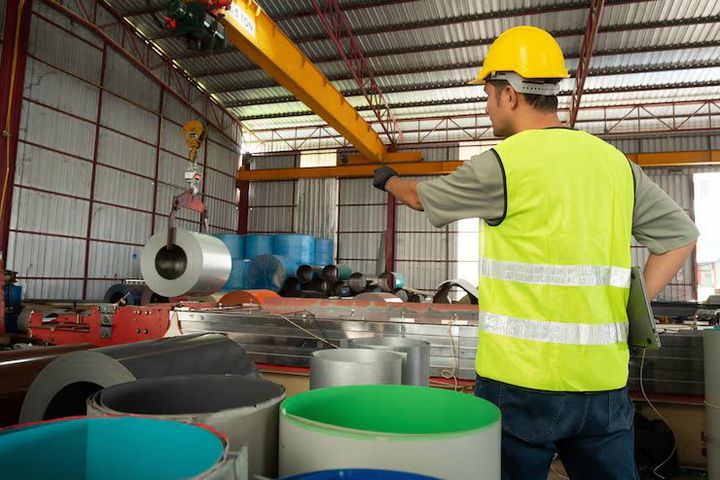
Industrial Finishing Knowledge for Manufacturers, Equipment and Surface Treatment
Industrial finishing refers to a set of manufacturing processes used to improve the surface properties of materials and components. These processes are applied after primary manufacturing operations such as machining, forming, or fabrication. The goal is to enhance characteristics such as durability, corrosion resistance, appearance, and performance.
Surface finishing has been used for centuries in metalworking and craftsmanship. Early techniques involved polishing, coating, or applying protective layers to extend the lifespan of tools and structures. As industrial production expanded, finishing processes became more standardized and technologically advanced.
Modern industrial finishing exists because raw manufactured parts often have surface imperfections, rough textures, or exposure risks that can affect their functionality. Finishing processes help refine these surfaces to meet engineering and aesthetic requirements.
Common industrial finishing methods include:
-
Grinding and polishing
-
Coating and painting
-
Electroplating and anodizing
-
Heat treatment and surface hardening
-
Shot blasting and sandblasting
These processes modify the surface without significantly altering the internal structure of the material.
The following table outlines common finishing methods and their purpose.
| Finishing Method | Purpose |
|---|---|
| Polishing | Improves surface smoothness and appearance |
| Coating | Adds protective or decorative layers |
| Electroplating | Deposits metal layers for corrosion resistance |
| Anodizing | Enhances durability of aluminum surfaces |
| Sandblasting | Cleans and prepares surfaces |
Understanding these methods helps manufacturers select appropriate finishing techniques based on material type and application requirements.
Why Industrial Finishing Matters in Manufacturing
Industrial finishing plays a critical role in ensuring product quality, performance, and longevity. Many manufactured components operate in environments where they are exposed to moisture, chemicals, heat, or mechanical stress. Without proper surface treatment, these components may degrade over time.
Finishing processes help address several manufacturing challenges:
-
Preventing corrosion and oxidation
-
Improving wear resistance
-
Enhancing surface appearance
-
Preparing surfaces for further processing
-
Increasing product lifespan
Several industries rely heavily on industrial finishing:
-
Automotive manufacturing
-
Aerospace engineering
-
Construction and infrastructure
-
Electronics and electrical equipment
-
Heavy machinery production
The following table highlights key benefits of industrial finishing.
| Benefit | Explanation |
|---|---|
| Corrosion resistance | Protects materials from environmental damage |
| Improved durability | Enhances resistance to wear and stress |
| Aesthetic quality | Provides smooth and visually appealing surfaces |
| Functional performance | Improves friction and conductivity properties |
| Surface preparation | Ensures proper adhesion of coatings |
Industrial finishing also supports compliance with product standards and customer specifications, particularly in industries where precision and reliability are critical.
Recent Developments in Surface Treatment Technologies
The industrial finishing sector has experienced several advancements during 2024 and 2025, driven by sustainability goals, automation, and material innovation.
One major trend involves the adoption of environmentally friendly finishing processes. Manufacturers are reducing the use of hazardous chemicals and adopting water-based coatings and low-emission technologies.
Another development is the use of automated finishing systems. Robotics and automated equipment are increasingly used for tasks such as painting, polishing, and coating application. These systems improve consistency and reduce manual labor.
Key technological trends include:
-
Advanced coating materials with improved durability
-
Robotic finishing systems for precision application
-
Digital monitoring of coating thickness and quality
-
Plasma and laser-based surface treatment techniques
The following table summarizes recent innovations.
| Innovation | Impact |
|---|---|
| Eco-friendly coatings | Reduces environmental impact |
| Robotic finishing systems | Improves consistency and efficiency |
| Smart monitoring tools | Enhances quality control |
| Laser surface treatment | Provides high-precision finishing |
Another emerging area involves nanotechnology-based coatings, which offer enhanced resistance to corrosion, heat, and wear at a microscopic level.
These developments demonstrate how industrial finishing continues to evolve with modern manufacturing requirements.
Regulations and Standards in Industrial Finishing
Industrial finishing processes are governed by safety, environmental, and quality regulations to ensure compliance with industry standards.
Regulatory frameworks address issues such as chemical handling, emissions, and workplace safety. Manufacturers must follow guidelines to protect workers and minimize environmental impact.
Key regulatory areas include:
-
Environmental regulations for emissions and waste management
-
Occupational safety standards for handling chemicals and equipment
-
Quality standards for coating thickness and performance
-
Material safety guidelines
International standards organizations such as ISO provide guidelines for quality management and surface treatment processes.
The following table outlines major regulatory aspects.
| Regulation Area | Purpose |
|---|---|
| Environmental compliance | Controls emissions and waste disposal |
| Workplace safety | Protects workers from hazardous exposure |
| Quality standards | Ensures consistent finishing performance |
| Chemical handling rules | Promotes safe use of finishing materials |
Compliance with these regulations helps manufacturers maintain safe operations and meet industry requirements.
Tools and Equipment Used in Industrial Finishing
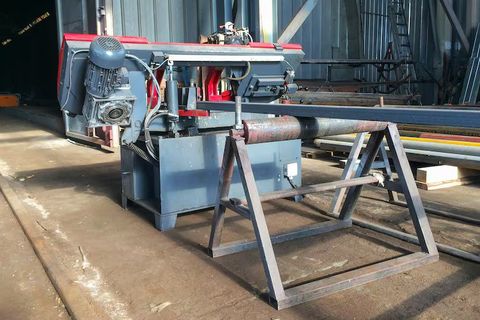
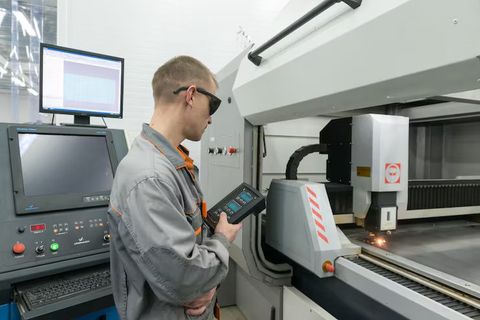
Industrial finishing involves a variety of equipment and tools designed to process and treat material surfaces efficiently.
Common equipment used in finishing operations includes:
-
Grinding and polishing machines
-
Spray painting and coating systems
-
Electroplating tanks and power supplies
-
Sandblasting and shot blasting equipment
-
Heat treatment furnaces
Each type of equipment is designed for specific finishing processes.
The following table highlights key equipment and their functions.
| Equipment | Function |
|---|---|
| Polishing machines | Smooth and refine surfaces |
| Spray coating systems | Apply protective or decorative coatings |
| Electroplating equipment | Deposit metal layers |
| Blasting machines | Clean and prepare surfaces |
| Heat treatment furnaces | Modify surface hardness |
Digital tools are also used to monitor and control finishing processes. Sensors and measurement systems help ensure that coating thickness, temperature, and surface conditions meet required standards.
Automation systems improve efficiency by reducing manual handling and increasing production speed.
Educational resources such as technical manuals, training programs, and industry guidelines support operators in understanding finishing processes and equipment operation.
Frequently Asked Questions About Industrial Finishing
What is industrial finishing?
Industrial finishing refers to processes used to improve the surface properties of materials, including durability, appearance, and resistance to environmental factors.
Why is surface treatment important?
Surface treatment protects materials from corrosion, enhances durability, and improves overall product performance.
What industries use industrial finishing?
Industries such as automotive, aerospace, construction, electronics, and manufacturing rely on finishing processes.
What is electroplating?
Electroplating is a process that uses electrical current to deposit a metal layer onto a surface for protection or decorative purposes.
How does automation improve finishing processes?
Automation increases consistency, reduces human error, and improves production efficiency in finishing operations.
Conclusion
Industrial finishing is a vital part of modern manufacturing, ensuring that products meet performance, durability, and aesthetic standards. By applying various surface treatment techniques, manufacturers can enhance the functionality and lifespan of materials.
Technological advancements such as eco-friendly coatings, robotic finishing systems, and digital monitoring tools are shaping the future of surface treatment processes. At the same time, regulatory frameworks ensure safe and environmentally responsible operations.
Understanding industrial finishing methods, equipment, and benefits provides valuable insight into how manufacturers achieve high-quality outcomes in competitive industrial environments.