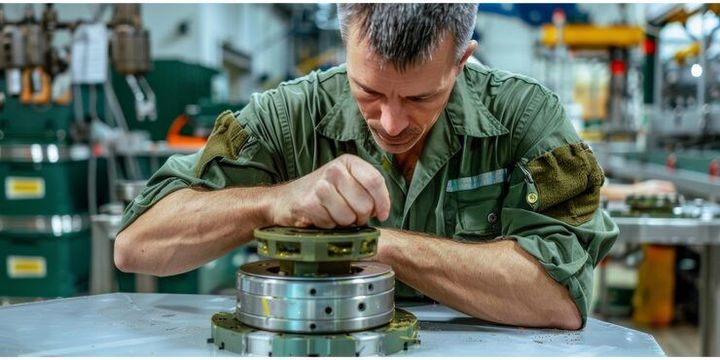
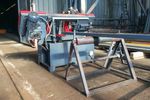
Gaskets are designed to withstand pressure, temperature variations, and chemical exposure. Their effectiveness depends on material selection, design accuracy, and manufacturing processes such as cutting and shaping. With advancements in industrial processes, gasket technology has evolved to include high-precision cutting methods and improved material performance.
This guide provides a comprehensive explanation of industrial gaskets, focusing on cutting technologies, functional design principles, and their role in maintaining system efficiency.
Who It Affects and What Problems It Solves
Industrial gaskets are relevant for industries that rely on sealed systems and fluid handling.
Key Industries Affected
-
Oil and gas sector
-
Chemical processing plants
-
Power generation facilities
-
Automotive and manufacturing industries
-
Food and pharmaceutical industries
Common Challenges
-
Leakage in joints and connections
-
Equipment wear and corrosion
-
High pressure and temperature conditions
-
Material compatibility issues
-
Maintenance and downtime
Practical Problems Solved
-
Preventing fluid and gas leaks
-
Maintaining pressure integrity
-
Reducing equipment damage
-
Ensuring operational safety
-
Improving system efficiency
What are Industrial Gaskets
Industrial gaskets are mechanical seals placed between two mating surfaces to fill irregularities and prevent leakage.
Key Functions
-
Seal joints and connections
-
Compensate for surface irregularities
-
Withstand pressure and temperature
-
Provide chemical resistance
Functions Table
| Function | Purpose |
|---|
| Sealing | Prevent leakage |
| Compensation | Fill surface gaps |
| Resistance | Handle pressure and heat |
| Protection | Prevent contamination |
Types of Industrial Gaskets
Different gasket types are used depending on application requirements.
Non-Metallic Gaskets
Made from materials such as rubber, graphite, or PTFE, suitable for low to moderate conditions.
Metallic Gaskets
Made from metals like stainless steel, used in high-pressure and high-temperature environments.
Semi-Metallic Gaskets
Combine metal and non-metal materials for balanced performance.
Types Table
| Type | Material Example | Application |
|---|
| Non-metallic | Rubber, PTFE | Low pressure systems |
| Metallic | Stainless steel | High pressure systems |
| Semi-metallic | Spiral wound | Versatile applications |
Materials Used in Gaskets
Material selection plays a crucial role in gasket performance.
Common Materials
-
Rubber
-
Graphite
-
PTFE (Polytetrafluoroethylene)
-
Stainless steel
Material Selection Factors
-
Temperature resistance
-
Chemical compatibility
-
Pressure tolerance
-
Flexibility
Materials Table
| Material | Property | Benefit |
|---|
| Rubber | Flexible | Good sealing |
| Graphite | Heat resistant | High temperature use |
| PTFE | Chemical resistant | Corrosion resistance |
| Steel | Strong | High pressure durability |
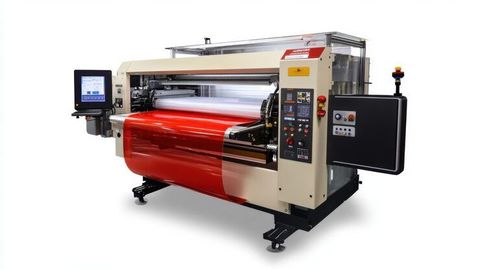
Cutting Technologies for Gaskets
Precision cutting is essential to ensure proper fit and sealing performance.
Die Cutting
Uses pre-shaped dies for high-volume production.
Waterjet Cutting
Uses high-pressure water for precise and clean cuts without heat.
Laser Cutting
Provides high accuracy and is suitable for complex shapes.
CNC Cutting
Computer-controlled cutting for consistent and repeatable results.
Cutting Technologies Table
| Method | Feature | Benefit |
|---|
| Die cutting | High-speed production | Cost-effective |
| Waterjet | No heat impact | Material integrity |
| Laser cutting | High precision | Complex designs |
| CNC cutting | Automated process | Consistency |
Functional Design Principles
Design plays a key role in ensuring gasket effectiveness.
Key Design Factors
-
Thickness and compressibility
-
Surface finish compatibility
-
Bolt load distribution
-
Operating conditions
Design Considerations Table
| Factor | Importance |
|---|
| Thickness | Proper sealing pressure |
| Surface match | Prevent leakage |
| Load distribution | Even compression |
| Conditions | Performance reliability |
Role in Industrial Efficiency
Proper gasket selection and design contribute to overall system performance.
Key Benefits
-
Reduced leakage and waste
-
Improved equipment lifespan
-
Enhanced safety
-
Lower maintenance requirements
Efficiency Table
| Benefit | Impact |
|---|
| Leak prevention | Resource savings |
| Equipment protection | Reduced downtime |
| Safety | Risk reduction |
| Maintenance | Cost efficiency |
Installation and Maintenance
Correct installation and regular maintenance are essential for gasket performance.
Installation Guidelines
-
Ensure clean and smooth surfaces
-
Apply proper bolt tightening
-
Use correct gasket size
Maintenance Practices
-
Inspect regularly for wear
-
Replace damaged gaskets
-
Monitor system conditions
Installation Table
| Practice | Benefit |
|---|
| Clean surfaces | Better sealing |
| Proper tightening | Even pressure |
| Regular inspection | Early detection |
Common Challenges and Solutions
Challenges
-
Improper material selection
-
Incorrect installation
-
Exposure to extreme conditions
-
Wear and aging
Solutions Table
| Challenge | Solution |
|---|
| Material mismatch | Select suitable materials |
| Installation error | Follow guidelines |
| Harsh conditions | Use high-performance gaskets |
| Aging | Regular replacement |
Recent Trends in Gasket Technology
Key Trends
-
Use of advanced composite materials
-
Adoption of precision cutting technologies
-
Focus on energy efficiency
-
Integration with digital monitoring systems
Trends Overview Table
| Trend | Insight |
|---|
| Advanced materials | Better performance |
| Precision cutting | Improved accuracy |
| Efficiency focus | Reduced waste |
| Smart monitoring | Predictive maintenance |
Tools and Resources
Common Tools
-
Cutting machines
-
Measurement tools
-
Installation kits
-
Inspection devices
Tools Comparison Table
| Tool Type | Function | Benefit |
|---|
| Cutting machines | Shape gaskets | Precision |
| Measurement tools | Ensure dimensions | Accuracy |
| Installation kits | Assist fitting | Proper setup |
| Inspection tools | Check condition | Maintenance |
FAQ Section
What is the purpose of a gasket?
It creates a seal to prevent leakage between surfaces.
Which cutting method is best?
It depends on material and design requirements.
How often should gaskets be replaced?
Replacement depends on usage and operating conditions.
Can gaskets handle high pressure?
Yes, certain types are designed for high-pressure applications.
Why is material selection important?
It ensures compatibility with temperature, pressure, and chemicals.
Conclusion
Industrial gaskets play a critical role in maintaining system integrity, preventing leaks, and supporting efficient operations. Their performance depends on proper material selection, precise cutting technology, and well-designed functional characteristics.
Advancements in manufacturing methods such as laser and waterjet cutting have improved accuracy and reliability, enabling better sealing performance. At the same time, modern materials and design approaches continue to enhance durability and efficiency.
By following proper installation practices and regular maintenance, industries can maximize the effectiveness of gaskets and ensure long-term operational success.