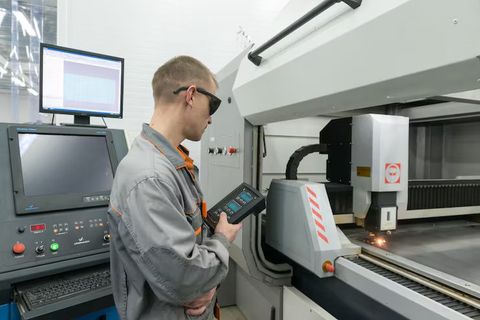
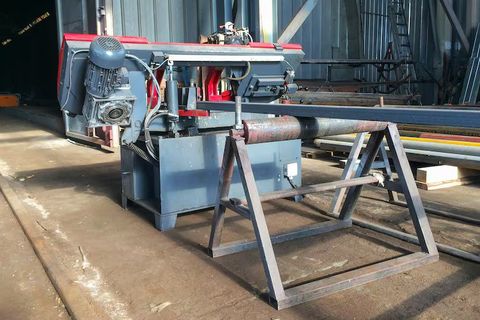
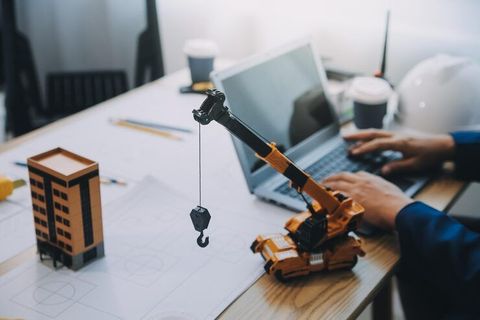
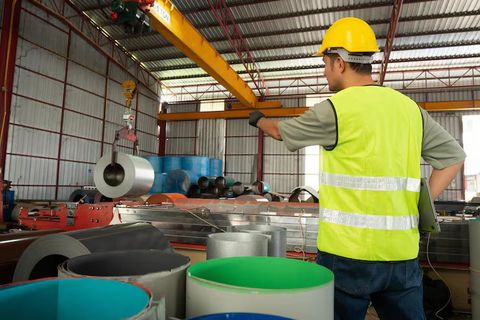
Lean manufacturing training equips individuals and organizations with the knowledge and skills needed to identify inefficiencies, streamline workflows, and improve productivity. It emphasizes practical tools, data-driven decision-making, and a culture of continuous improvement.
In today’s competitive environment, organizations are increasingly adopting lean principles to enhance performance and reduce operational costs. This guide provides a clear explanation of lean manufacturing training, including key tools, techniques, and strategies for continuous improvement.
Who It Affects and What Problems It Solves
Lean manufacturing training is relevant for professionals and organizations aiming to improve operational efficiency.
Key Groups Affected
-
Manufacturing professionals
-
Operations managers
-
Quality control teams
-
Process improvement specialists
-
Small and large enterprises
Common Challenges
-
Inefficient workflows
-
High operational costs
-
Production delays
-
Excess inventory
-
Quality inconsistencies
Practical Problems Solved
-
Waste reduction
-
Improved productivity
-
Better process flow
-
Enhanced product quality
-
Increased customer satisfaction
What is Lean Manufacturing Training
Lean manufacturing training focuses on teaching principles and practices that help eliminate waste and improve efficiency.
Core Objectives
-
Identify and eliminate waste
-
Improve process efficiency
-
Enhance product quality
-
Build a culture of continuous improvement
Objectives Table
| Objective | Purpose |
|---|
| Waste reduction | Eliminate inefficiencies |
| Efficiency | Improve workflow |
| Quality improvement | Reduce defects |
| Continuous learning | Sustain improvements |
Types of Waste in Lean Manufacturing
Understanding waste is fundamental to lean practices.
Common Waste Categories
-
Overproduction
-
Waiting time
-
Transportation
-
Excess inventory
-
Motion
-
Defects
-
Overprocessing
Waste Table
| Waste Type | Description |
|---|
| Overproduction | Producing more than needed |
| Waiting | Idle time |
| Transportation | Unnecessary movement |
| Inventory | Excess stock |
| Motion | Inefficient movement |
| Defects | Rework or errors |
| Overprocessing | Extra work |
Key Lean Tools and Techniques
Lean manufacturing uses various tools to improve processes.
5S Methodology
Focuses on workplace organization: Sort, Set in order, Shine, Standardize, Sustain.
Kaizen
Continuous improvement through small, incremental changes.
Value Stream Mapping (VSM)
Visualizes processes to identify inefficiencies.
Just-In-Time (JIT)
Reduces inventory by producing only what is needed.
Kanban
Uses visual signals to manage workflow and inventory.
Tools Table
| Tool | Function | Benefit |
|---|
| 5S | Organize workplace | Improved efficiency |
| Kaizen | Continuous improvement | Ongoing progress |
| VSM | Process visualization | Identify waste |
| JIT | Inventory control | Reduced excess stock |
| Kanban | Workflow management | Better coordination |
Lean Training Program Structure
Lean training programs are designed to combine theory and practical application.
Foundation Level
-
Introduction to lean principles
-
Basic tools and concepts
Intermediate Level
-
Process analysis
-
Implementation of lean tools
Advanced Level
-
Strategy development
-
Leadership in continuous improvement
Practical Training
-
Case studies
-
Real-world projects
-
Workshops
Training Structure Table
| Level | Focus Area | Outcome |
|---|
| Foundation | Basics | Understanding concepts |
| Intermediate | Application | Skill development |
| Advanced | Strategy | Leadership capability |
| Practical | Projects | Real-world experience |
Continuous Improvement Approach
Continuous improvement is a core principle of lean manufacturing.
Key Elements
-
Regular evaluation of processes
-
Employee involvement
-
Data-driven decision-making
-
Incremental improvements
Improvement Table
| Element | Benefit |
|---|
| Evaluation | Identify gaps |
| Employee involvement | Increased engagement |
| Data analysis | Better decisions |
| Incremental changes | Sustainable improvement |
Benefits of Lean Manufacturing Training
Operational Efficiency
Streamlined processes reduce delays and improve productivity.
Cost Reduction
Eliminating waste lowers operational costs.
Improved Quality
Reduced defects lead to better product outcomes.
Employee Engagement
Involvement in improvement processes boosts morale.
Benefits Table
| Benefit | Impact |
|---|
| Efficiency | Faster processes |
| Cost savings | Reduced expenses |
| Quality | Fewer defects |
| Engagement | Better teamwork |
Implementation Strategies
Start with Assessment
Evaluate current processes and identify improvement areas.
Train Teams
Provide training to employees at all levels.
Apply Tools Gradually
Implement lean tools step by step.
Monitor Progress
Track performance and adjust strategies as needed.
Implementation Table
| Step | Action | Outcome |
|---|
| Assessment | Identify issues | Clear direction |
| Training | Educate teams | Skill development |
| Implementation | Apply tools | Improved processes |
| Monitoring | Track results | Continuous improvement |
Common Challenges and Solutions
Challenges
-
Resistance to change
-
Lack of training
-
Inconsistent implementation
-
Limited management support
Solutions Table
| Challenge | Solution |
|---|
| Resistance | Build awareness |
| Skill gaps | Provide training |
| Inconsistency | Standardize processes |
| Leadership issues | Strong management support |
Recent Trends in Lean Manufacturing
Key Trends
-
Integration with digital technologies
-
Use of data analytics for decision-making
-
Focus on sustainability
-
Adoption of hybrid lean-agile models
Trends Overview Table
| Trend | Insight |
|---|
| Digital integration | Smart manufacturing |
| Data analytics | Better insights |
| Sustainability | Reduced waste impact |
| Hybrid models | Flexible operations |
Tools and Resources
Common Tools
-
Lean management software
-
Process mapping tools
-
Training modules
-
Performance dashboards
Tools Comparison Table
| Tool Type | Function | Benefit |
|---|
| Management software | Track processes | Efficiency |
| Mapping tools | Visualize workflows | Clarity |
| Training modules | Educate teams | Skill improvement |
| Dashboards | Monitor performance | Real-time insights |
FAQ Section
What is lean manufacturing?
It is a method focused on reducing waste and improving efficiency.
What are the main lean tools?
Common tools include 5S, Kaizen, VSM, JIT, and Kanban.
Who can benefit from lean training?
Professionals involved in operations, manufacturing, and process improvement.
Is lean manufacturing only for factories?
No, it can be applied in various industries.
How long does lean training take?
It varies depending on program level and depth.
Conclusion
Lean manufacturing training provides a structured approach to improving efficiency, reducing waste, and enhancing overall performance. By using proven tools and techniques, organizations can streamline processes and achieve better outcomes.
The focus on continuous improvement ensures that progress is sustainable and adaptable to changing environments. With proper training, implementation, and monitoring, lean principles can transform operations and drive long-term success.
Adopting lean manufacturing is not just a one-time effort but an ongoing journey toward operational excellence and efficiency.