Importance of Lifting Equipment in Industrial Operations
Lifting equipment plays a crucial role in modern industrial operations by improving productivity, safety, and workflow efficiency. It is widely used across sectors that involve heavy material handling.
One of the main reasons lifting systems are important is workplace safety. Handling heavy loads manually can lead to injuries, while properly designed lifting equipment reduces physical strain and minimizes risks.
Another key factor is efficiency. Lifting equipment allows faster movement of materials, which improves production timelines and reduces delays in operations.
These systems also support precision handling, ensuring that materials are positioned accurately during manufacturing or assembly processes.
Key challenges addressed include:
-
Risk of workplace injuries
-
Inefficient manual handling of heavy loads
-
Delays in material movement
-
Difficulty in handling large or bulky items
-
Inconsistent positioning of materials
Types of Lifting Equipment Systems
Different types of lifting equipment are used depending on the application and load requirements.
Common types include:
-
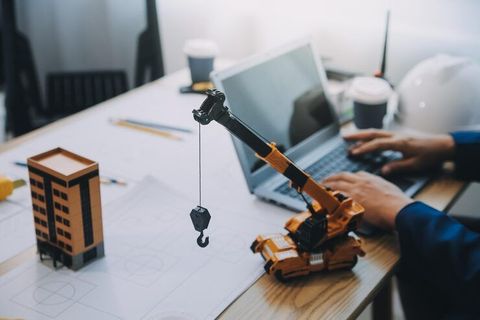
Cranes
Used for lifting and moving heavy loads across large areas
-
Hoists
Designed for vertical lifting using chains or wire ropes
-
Forklifts
Used for transporting and lifting palletized materials
-
Lifting Slings and Accessories
Include chains, ropes, and hooks for securing loads
-
Elevators and Lifts
Used for vertical transportation of goods or personnel
These systems are selected based on load capacity, working environment, and operational needs.
Key Components of Lifting Systems
Lifting equipment systems consist of several components that ensure safe and efficient operation.
Main components include:
-
Load Bearing Structure
Supports the weight of the load
-
Lifting Mechanism
Includes motors, hydraulic systems, or manual controls
-
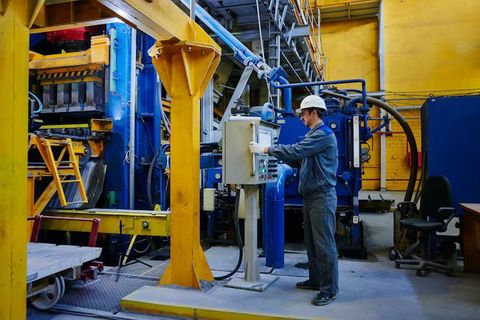
Control Systems
Enable operators to manage movement and positioning
-
Safety Devices
Include limit switches, overload protection, and emergency stops
-
Rigging Equipment
Secures the load during lifting
These components work together to ensure reliable performance and safety.
Safety Standards for Lifting Equipment
Safety is a critical aspect of lifting equipment operation. Various standards and guidelines ensure safe usage and reduce risks.
Key safety practices include:
-
Regular inspection and maintenance of equipment
-
Proper training for operators
-
Use of certified lifting accessories
-
Adherence to load capacity limits
-
Installation of safety guards and warning systems
Common safety standards and guidelines:
-
Bureau of Indian Standards (BIS) for equipment safety
-
Factories Act, 1948 for workplace safety
-
Occupational Safety, Health and Working Conditions Code, 2020
These standards help prevent accidents and ensure safe industrial operations.
Comparison of Lifting Equipment Types
| Equipment Type | Primary Use | Key Advantage |
|---|
| Crane | Heavy load movement | Wide coverage area |
| Hoist | Vertical lifting | Precise load control |
| Forklift | Material transport | Mobility and flexibility |
| Sling | Load securing | Versatile application |
| Elevator | Vertical transport | Efficient multi-level movement |
This comparison helps in selecting the appropriate equipment for specific tasks.
Recent Updates and Trends in Lifting Equipment (2024–2025)
Lifting equipment technology has advanced significantly in recent years.
In early 2024, there was increased adoption of smart lifting systems equipped with sensors for load monitoring and safety alerts.
By mid-2024, automation and remote-control systems became more common, allowing operators to control equipment from a safe distance.
In late 2024 and early 2025, integration with digital monitoring platforms improved, enabling real-time tracking of equipment performance and maintenance needs.
Another trend is the focus on energy-efficient lifting systems, reducing power consumption while maintaining performance.
These developments highlight a shift toward safer, smarter, and more efficient lifting operations.
Laws and Regulations for Lifting Equipment in India
Lifting equipment in India is regulated to ensure safety and compliance in industrial environments.
Key regulations include:
-
Factories Act, 1948
Covers safety requirements for machinery and workers
-
Bureau of Indian Standards (BIS)
Provides standards for equipment design and safety
-
Occupational Safety, Health and Working Conditions Code, 2020
Focuses on safe use of industrial equipment
Key compliance requirements include:
-
Periodic inspection and certification of equipment
-
Proper documentation and maintenance records
-
Operator training and qualification
-
Use of approved safety devices
These regulations help ensure safe and reliable operation of lifting systems.
Tools and Resources for Lifting Equipment Management
Various tools and resources support the effective use and maintenance of lifting equipment.
Common tools include:
-
Load Monitoring Systems
Track weight and prevent overloading
-
Inspection Checklists
Ensure regular equipment evaluation
-
Maintenance Management Software
Schedule servicing and track performance
-
Training Programs
Improve operator skills and safety awareness
-
Safety Guidelines and Manuals
Provide operational instructions and best practices
These resources help improve efficiency, safety, and compliance.
Frequently Asked Questions
What is lifting equipment used for?
It is used to lift, lower, and move heavy materials in industrial environments.
What are common types of lifting equipment?
Cranes, hoists, forklifts, slings, and elevators are commonly used.
Why are safety standards important?
They help prevent accidents and ensure safe operation of equipment.
How often should lifting equipment be inspected?
Regular inspections are required based on usage and regulatory guidelines.
Who can operate lifting equipment?
Only trained and qualified operators should handle lifting equipment.
Conclusion
Lifting equipment systems are essential for safe and efficient material handling in industrial environments. They reduce manual effort, improve productivity, and ensure precise movement of heavy loads. Safety standards and regulations play a critical role in minimizing risks and maintaining operational reliability. With recent advancements in automation and monitoring technologies, lifting equipment is becoming more intelligent and efficient. Understanding these systems and their safety requirements helps industries maintain safe workplaces and optimize operations.