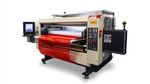
Over the years, plastic packaging has evolved with advancements in materials and manufacturing processes. Modern techniques allow manufacturers to create packaging that meets specific requirements such as strength, flexibility, transparency, and barrier protection.
As industries focus on efficiency and sustainability, plastic packaging continues to adapt through improved processing methods and recycling initiatives. This guide explains plastic packaging in detail, including processing techniques, material types, and its role in different industries.
Who It Affects and What Problems It Solves
Plastic packaging is essential for industries involved in product manufacturing and distribution.
Key Industries Affected
-
Food and beverage industry
-
Pharmaceutical and healthcare sector
-
Retail and consumer goods
-
Industrial manufacturing
-
Logistics and supply chain
Common Challenges
-
Product damage during transport
-
Exposure to moisture and contaminants
-
Limited shelf life
-
Storage inefficiencies
-
Packaging waste concerns
Practical Problems Solved
-
Protects products from damage
-
Extends shelf life
-
Improves storage and handling
-
Enhances product safety
-
Supports efficient distribution
What is Plastic Packaging
Plastic packaging refers to the use of polymer-based materials to enclose and protect products.
Key Functions
-
Contain and protect products
-
Provide barrier against external factors
-
Facilitate transportation and storage
Basics Table
| Feature | Description |
|---|
| Material | Polymer-based plastics |
| Purpose | Protection and containment |
| Application | Various industries |
| Benefit | Lightweight and durable |
Types of Plastic Materials Used
Polyethylene (PE)
Used for flexible packaging such as bags and films.
Polypropylene (PP)
Known for strength and resistance to heat.
Polyethylene Terephthalate (PET)
Commonly used for bottles and containers.
Polystyrene (PS)
Used for rigid packaging and disposable items.
Materials Table
| Material | Property | Use Case |
|---|
| PE | Flexible | Bags, films |
| PP | Strong, heat-resistant | Containers |
| PET | Transparent | Bottles |
| PS | Lightweight | Packaging items |
Processing Techniques in Plastic Packaging
Injection Molding
Used to create rigid packaging items by injecting molten plastic into molds.
Blow Molding
Used for hollow objects such as bottles.
Extrusion
Produces continuous shapes like films and sheets.
Thermoforming
Shapes heated plastic sheets into desired forms.
Processing Table
| Technique | Feature | Application |
|---|
| Injection molding | High precision | Containers |
| Blow molding | Hollow structures | Bottles |
| Extrusion | Continuous production | Films and sheets |
| Thermoforming | Sheet shaping | Trays and packaging |
Key Properties of Plastic Packaging
Lightweight
Reduces transportation costs and handling effort.
Durability
Provides resistance to impact and wear.
Barrier Protection
Protects against moisture, air, and contaminants.
Flexibility
Allows customization for different shapes and uses.
Properties Table
| Property | Benefit |
|---|
| Lightweight | Easy transport |
| Durability | Product protection |
| Barrier | Extended shelf life |
| Flexibility | Versatile design |
Industrial Applications
Food Packaging
Used for preserving freshness and extending shelf life.
Pharmaceutical Packaging
Ensures product safety and contamination control.
Consumer Goods
Protects products and improves presentation.
Industrial Packaging
Supports transport and storage of materials.
Applications Table
| Industry | Application | Benefit |
|---|
| Food | Packaging | Freshness |
| Pharmaceutical | Safety packaging | Protection |
| Consumer goods | Product packaging | Convenience |
| Industrial | Bulk packaging | Efficiency |
Performance Improvement Strategies
Material Selection
Choose suitable plastic based on application requirements.
Design Optimization
Improve packaging structure for strength and efficiency.
Process Control
Ensure consistent manufacturing quality.
Quality Testing
Check durability and performance standards.
Performance Table
| Strategy | Impact |
|---|
| Material choice | Better performance |
| Design | Improved efficiency |
| Process control | Consistency |
| Testing | Quality assurance |
Environmental Considerations
Recycling
Promote reuse and recycling of plastic materials.
Waste Reduction
Optimize packaging design to minimize material usage.
Sustainable Alternatives
Use biodegradable or recyclable plastics.
Environmental Table
| Consideration | Purpose |
|---|
| Recycling | Reduce waste |
| Waste reduction | Efficient material use |
| Sustainability | Environmental protection |
Common Challenges and Solutions
Challenges
-
Environmental impact
-
Material selection issues
-
Cost management
-
Quality consistency
Solutions Table
| Challenge | Solution |
|---|
| Environmental | Use recyclable materials |
| Material issues | Proper selection |
| Cost | Optimize processes |
| Quality | Implement testing |
Recent Trends in Plastic Packaging
Key Trends
-
Development of biodegradable plastics
-
Increased recycling initiatives
-
Lightweight packaging designs
-
Smart packaging technologies
Trends Overview Table
| Trend | Insight |
|---|
| Biodegradable plastics | Reduced environmental impact |
| Recycling focus | Sustainable practices |
| Lightweight design | Cost efficiency |
| Smart packaging | Enhanced functionality |
Tools and Resources
Common Tools
-
Molding machines
-
Extrusion equipment
-
Quality testing tools
-
Design software
Tools Comparison Table
| Tool Type | Function | Benefit |
|---|
| Molding machines | Shape plastic | Precision |
| Extrusion tools | Produce films | Efficiency |
| Testing tools | Check quality | Reliability |
| Software | Design packaging | Optimization |
FAQ Section
What is plastic packaging?
It is the use of plastic materials to protect and store products.
What are common processing techniques?
Injection molding, blow molding, extrusion, and thermoforming.
Which industries use plastic packaging?
Food, pharmaceutical, consumer goods, and industrial sectors.
Is plastic packaging recyclable?
Many types can be recycled depending on material.
What are the benefits of plastic packaging?
It is lightweight, durable, and versatile.
Conclusion
Plastic packaging plays a vital role in modern industries by providing effective solutions for product protection, storage, and transportation. Its versatility and adaptability make it suitable for a wide range of applications.
Advancements in processing techniques and materials have improved performance, efficiency, and sustainability. By focusing on proper material selection, design optimization, and recycling practices, industries can balance functionality with environmental responsibility.
Understanding plastic packaging processes and applications helps businesses make informed decisions and improve overall packaging efficiency.