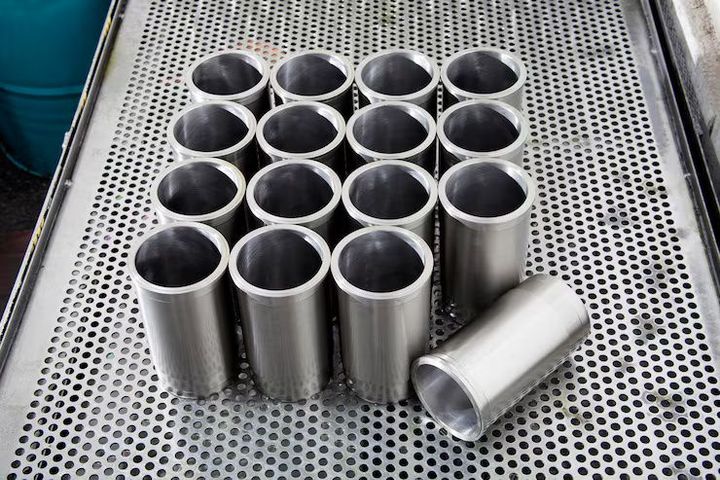
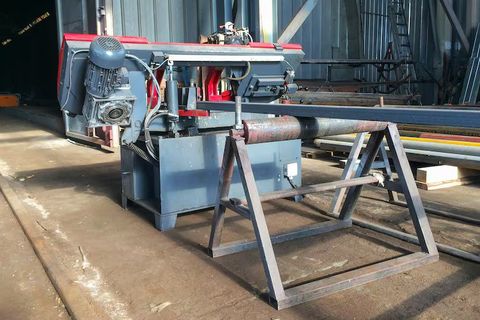
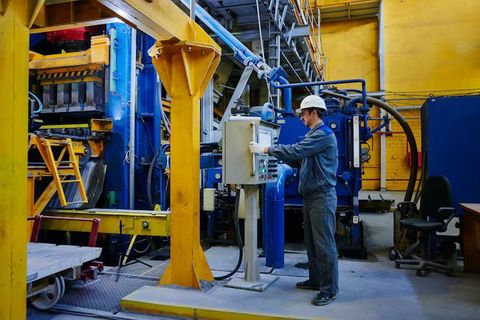
Tubing differs from pipes in terms of precision and application. While pipes are generally used for fluid transport, stainless tubing is often selected for structural, mechanical, and high-precision applications. Its ability to withstand harsh environments and maintain structural integrity makes it a preferred choice in demanding conditions.
Advancements in manufacturing techniques have improved the quality, consistency, and performance of stainless tubing. This guide provides a clear explanation of production methods, material properties, and engineering applications.
Who It Affects and What Problems It Solves
Stainless tubing is essential for industries requiring durable and corrosion-resistant materials.
Key Industries Affected
-
Construction and infrastructure
-
Automotive and transportation
-
Chemical and process industries
-
Medical and healthcare equipment
-
Energy and power sectors
Common Challenges
-
Corrosion and material degradation
-
High-pressure requirements
-
Structural reliability
-
Exposure to chemicals and heat
-
Precision manufacturing needs
Practical Problems Solved
-
Resistance to corrosion
-
High strength and durability
-
Reliable performance in extreme conditions
-
Improved safety and longevity
-
Precision engineering applications
What is Stainless Tubing
Stainless tubing is a hollow cylindrical product made from stainless steel alloys.
Key Characteristics
-
High corrosion resistance
-
Strong and durable
-
Smooth surface finish
-
Suitable for precision applications
Basics Table
| Feature | Description |
|---|
| Material | Stainless steel |
| Shape | Hollow cylindrical |
| Function | Structural and fluid use |
| Benefit | Strength and durability |
Types of Stainless Tubing
Seamless Tubing
Manufactured without a welded seam, offering higher strength and pressure resistance.
Welded Tubing
Formed by welding rolled steel sheets, suitable for general applications.
Precision Tubing
Designed for high-accuracy applications with tight tolerances.
Types Table
| Type | Feature | Application |
|---|
| Seamless | No weld seam | High-pressure systems |
| Welded | Cost-effective | General use |
| Precision | High accuracy | Engineering applications |
Production Methods
Seamless Tube Manufacturing
-
Billet heating
-
Piercing
-
Rolling and elongation
-
Sizing and finishing
Welded Tube Manufacturing
-
Sheet or strip forming
-
Welding (ERW or TIG)
-
Heat treatment
-
Finishing
Production Table
| Method | Process | Benefit |
|---|
| Seamless | Formed from solid billet | High strength |
| Welded | Joined edges | Cost efficiency |
Material Composition
Stainless tubing is made from alloys containing key elements.
Main Elements
-
Iron (base material)
-
Chromium (corrosion resistance)
-
Nickel (strength and ductility)
-
Molybdenum (enhanced corrosion resistance)
Composition Table
| Element | Role |
|---|
| Chromium | Corrosion resistance |
| Nickel | Strength and flexibility |
| Molybdenum | Chemical resistance |
Properties of Stainless Tubing
Corrosion Resistance
Resists rust and chemical damage.
Mechanical Strength
Handles high stress and pressure.
Temperature Resistance
Performs well in high and low temperatures.
Hygienic Surface
Suitable for food and medical applications.
Properties Table
| Property | Benefit |
|---|
| Corrosion resistance | Long lifespan |
| Strength | Structural reliability |
| Temperature | Versatility |
| Hygiene | Clean applications |
Engineering Applications
Construction
Used in structural frameworks and supports.
Automotive
Applied in exhaust systems and structural components.
Chemical Industry
Used in pipelines and processing equipment.
Medical Field
Used in surgical instruments and equipment.
Applications Table
| Industry | Application | Benefit |
|---|
| Construction | Structural tubing | Strength |
| Automotive | Exhaust systems | Heat resistance |
| Chemical | Process equipment | Corrosion resistance |
| Medical | Instruments | Hygiene |
Performance Improvement Strategies
Surface Treatment
Enhance corrosion resistance and finish.
Heat Treatment
Improve strength and durability.
Quality Control
Ensure dimensional accuracy and performance.
Performance Table
| Strategy | Impact |
|---|
| Surface treatment | Better resistance |
| Heat treatment | Increased strength |
| Quality control | Consistency |
Common Challenges and Solutions
Challenges
-
Cost of high-grade materials
-
Welding defects
-
Corrosion in extreme conditions
-
Dimensional inconsistencies
Solutions Table
| Challenge | Solution |
|---|
| Cost | Optimize material selection |
| Welding defects | Use proper techniques |
| Corrosion | Apply protective coatings |
| Accuracy | Precision manufacturing |
Recent Trends in Stainless Tubing
Key Trends
-
Development of advanced alloys
-
Improved manufacturing techniques
-
Increased use in renewable energy
-
Automation in production processes
Trends Overview Table
| Trend | Insight |
|---|
| Advanced alloys | Enhanced performance |
| Manufacturing tech | Better precision |
| Renewable energy | New applications |
| Automation | Efficient production |
Tools and Resources
Common Tools
-
Tube forming machines
-
Welding equipment
-
Inspection and testing tools
-
Measurement instruments
Tools Comparison Table
| Tool Type | Function | Benefit |
|---|
| Forming machines | Shape tubing | Efficiency |
| Welding tools | Join materials | Strength |
| Testing tools | Evaluate quality | Reliability |
| Measuring tools | Check dimensions | Accuracy |
FAQ Section
What is stainless tubing used for?
It is used in structural, mechanical, and fluid applications.
What is the difference between seamless and welded tubing?
Seamless tubing has no weld seam, while welded tubing is formed by joining edges.
Why is stainless tubing corrosion-resistant?
Due to the presence of chromium in the alloy.
Which industries use stainless tubing?
Construction, automotive, chemical, and medical industries.
Is stainless tubing suitable for high temperatures?
Yes, it performs well in extreme temperature conditions.
Conclusion
Stainless tubing is a versatile and reliable material widely used across engineering and industrial applications. Its strength, corrosion resistance, and adaptability make it suitable for demanding environments.
Understanding production methods, material properties, and application requirements helps in selecting the right type of tubing. Advances in manufacturing and alloy development continue to improve performance and expand its use.
With proper design, processing, and quality control, stainless tubing provides long-lasting performance and supports efficient engineering solutions across industries.