A Clear and Educational Guide for Users, Learners, and Professionals
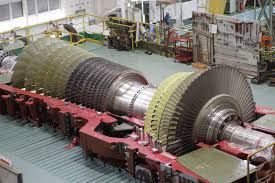
Gas turbines are essential machines used in power generation, aviation, industrial processes, and even marine propulsion. They convert energy from fuel into mechanical power through high-temperature, high-pressure combustion. Their ability to deliver reliable, efficient power has made them a backbone of modern infrastructure. Whether someone encounters gas turbines while learning about energy systems, evaluating industrial equipment, or simply wanting to understand how large-scale power plants operate, it helps to have a clear, user-friendly overview. This guide explains what gas turbines are, how they work, their benefits and limitations, major types, innovations shaping the industry, and what to consider when choosing or maintaining them.
Benefits of Gas Turbines
Gas turbines offer several advantages in both industrial and utility settings.
1. High Power-to-Weight Ratio
Compared to many other power-generation technologies, gas turbines can generate a significant amount of power relative to their size. This is especially critical in aviation, where weight reduction directly supports performance.
2. Fast Start-Up
Gas turbines can ramp up quickly, making them suitable for peak-demand electricity generation and backup applications. Their responsiveness is a valuable feature for grids that integrate renewable energy sources.
3. Flexible Fuel Options
Many gas turbines operate on natural gas, but numerous models can also use diesel, kerosene, syngas, hydrogen blends, or other fuels depending on the design. This gives operators flexibility in fuel sourcing and cost management.
4. Lower Emissions Compared to Some Alternatives
When operating on natural gas, turbines produce lower CO2 and particulate emissions relative to diesel engines or coal-fired systems. They also support modern emissions-control technologies such as dry low-NOx combustion.
5. High Reliability
Gas turbines are known for their durability and long service life when maintained properly. Many industrial facilities depend on them for continuous operation.
Limitations of Gas Turbines
Although useful, gas turbines are not ideal for every situation. Understanding their limitations helps users make informed decisions.
1. Efficiency Drops at Part Load
Gas turbines are most efficient when running near full capacity. Their efficiency tends to decrease when output is reduced, which may affect operating costs in certain applications.
2. High Initial Investment
The purchase, installation, and commissioning of turbines can be costly. This makes them less suitable for small-scale installations unless long-term operational benefits justify the investment.
3. Performance Affected by Ambient Conditions
Temperature, humidity, and altitude impact turbine efficiency. Hotter climates or high-altitude regions may require additional systems like cooling or intercooling to maintain output.
4. Complex Maintenance Requirements
Maintenance must be performed by trained personnel, and major overhauls can take time. Failure to maintain the system correctly can reduce performance or shorten equipment life.
Types of Gas Turbines
Gas turbines are generally categorized based on their design and typical application.
1. Aeroderivative Gas Turbines
These turbines are adapted from aircraft engines for industrial use. They are lightweight, efficient, and capable of rapid startup.
Common uses include:
• Power generation
• Offshore operations
• Mobile power units
2. Heavy-Duty Industrial Gas Turbines
These turbines are specifically built for stationary applications. They are robust, suitable for continuous operation, and can handle diverse fuels.
Primary applications include:
• Base-load and combined-cycle power plants
• Industrial processing facilities
3. Open-Cycle Gas Turbines (OCGT)
Open-cycle systems expel exhaust into the atmosphere after energy extraction. They offer quick start-up but lower efficiency than combined-cycle systems.
4. Combined-Cycle Gas Turbines (CCGT)
CCGT systems capture exhaust heat to generate steam, driving an additional turbine. This increases overall efficiency and reduces fuel consumption.
5. Micro Gas Turbines
These small-scale turbines (30–500 kW range) are used in:
• Distributed power generation
• Commercial buildings
• Hybrid energy systems
They are compact, quiet, and useful for combined heat and power (CHP) setups.
Comparison Table: Common Gas Turbine Categories
| Type of Turbine | Typical Size | Efficiency Range | Main Advantages | Common Uses |
|---|---|---|---|---|
| Aeroderivative | 10–100 MW | Medium to High | Fast start, lightweight | Mobile power, offshore, grid support |
| Heavy-Duty | 50–400+ MW | Medium | Durable, high output | Utility power plants, industrial sites |
| Open Cycle | Variable | Low to Medium | Quick start, simple design | Peaking plants |
| Combined Cycle | 100–500+ MW | High | Higher efficiency, heat recovery | Baseline or continuous generation |
| Micro Turbine | 30–500 kW | Low to Medium | Compact, CHP capability | Distributed energy, commercial buildings |
Latest Trends and Innovations in Gas Turbine Technology
Gas turbine technology continues to evolve, driven by efficiency goals, environmental regulations, and the shift toward cleaner energy systems.
1. Hydrogen-Ready Gas Turbines
Manufacturers are designing turbines capable of running on hydrogen or hydrogen blends. These models reduce carbon emissions significantly and support long-term decarbonization goals.
2. Additive Manufacturing (3D Printed Components)
3D printing allows the creation of cooling channels and optimized shapes in turbine blades, improving temperature tolerance and extending part life.
3. Advanced Cooling Techniques
New materials, ceramic coatings, and internal cooling innovations help turbines operate at higher temperatures, improving efficiency.
4. Digital Monitoring and Predictive Maintenance
Sensors, analytics, and AI-based monitoring systems help operators:
• Predict component wear
• Manage maintenance schedules
• Optimize fuel usage
• Increase uptime
5. Hybrid Power Systems
Gas turbines are increasingly integrated with renewable energy and battery storage to provide stable and flexible power.
Key Features to Consider When Evaluating a Gas Turbine
When comparing different turbines or reviewing technical data, users typically focus on the following features.
1. Power Output
The turbine size must match the intended load requirement. Oversizing increases cost, while undersizing affects reliability.
2. Efficiency
Higher efficiency means lower fuel consumption and operating costs. Efficiency varies based on cycle type, turbine design, and ambient conditions.
3. Fuel Compatibility
Some turbines only run on natural gas, while others support multiple fuels. Selecting the right fuel flexibility can reduce long-term risk.
4. Maintenance Requirements
Look at recommended maintenance intervals, availability of spare parts, and ease of servicing.
5. Emissions Performance
Many industries must meet strict emissions regulations. Features like dry low-NOx combustion are essential.
6. Operating Environment
High-temperature or high-altitude regions may require specific turbine models or supplementary systems.
Top Companies and Public Information Sources
Many organizations manufacture gas turbines or provide information about them. The companies listed below are well-known globally, and their websites offer publicly accessible resources.
| Company | Known For | Public Information Link |
|---|---|---|
| GE Vernova (formerly GE Power) | Industrial turbines, aeroderivatives | https://www.gevernova.com |
| Siemens Energy | Heavy-duty and combined-cycle turbines | https://www.siemens-energy.com |
| Mitsubishi Power | Large-scale utility turbines | https://power.mhi.com |
| Solar Turbines (Caterpillar company) | Industrial and mid-size turbines | https://www.solarturbines.com |
| Rolls-Royce | Aeroderivative turbine systems | https://www.rolls-royce.com |
| Ansaldo Energia | Large industrial turbines | https://www.ansaldoenergia.com |
| Capstone Turbine | Microturbines for distributed energy | https://www.capstonegreenenergy.com |
How to Choose the Right Gas Turbine
A systematic approach helps ensure that the selected turbine aligns with operational goals, budget, and long-term performance needs.
Step 1: Define Power and Load Requirements
Identify whether the turbine will operate as primary power, peak power, or backup. Review demand profiles to determine the necessary capacity.
Step 2: Determine the Fuel Source
Check fuel availability, cost trends, and storage requirements. Some regions encourage low-carbon fuels, which may influence turbine selection.
Step 3: Evaluate Efficiency and Lifecycle Cost
Rather than focusing only on upfront cost, compare:
• Fuel consumption
• Maintenance intervals
• Expected operating hours
• Heat rate performance
Step 4: Assess Environmental and Regulatory Needs
Make sure the turbine complies with local emissions standards and noise requirements.
Step 5: Consider Space, Weight, and Installation Conditions
Aeroderivative turbines might be better for constrained or mobile environments, while heavy-duty turbines suit permanent installations.
Step 6: Review Support and Service Availability
Reliable maintenance support is essential for long-term operation.
Selection Checklist for Gas Turbines
A quick checklist to help users evaluate different options:
[ ] Required power output is clearly defined
[ ] Fuel type and availability confirmed
[ ] Efficiency ratings compared
[ ] Emissions specifications reviewed
[ ] Installation environment assessed
[ ] Maintenance and service requirements understood
[ ] Budget and lifecycle costs analyzed
[ ] Manufacturer documentation reviewed
[ ] Spare parts and technical support available
Tips for Best Use and Maintenance
Proper operation and care extend turbine life and enhance performance.
1. Follow Recommended Operating Procedures
Start-up, shutdown, and load-changing procedures should follow manufacturer guidelines to avoid unnecessary stress on components.
2. Use Clean and Stable Fuel
Contaminants can cause fouling and premature wear. Fuel treatment or filtration systems may be required depending on the fuel source.
3. Monitor Key Parameters Continuously
Tracking temperature, pressure, vibration, and emissions helps detect issues early.
4. Schedule Preventive Maintenance
Regular inspections, blade cleaning, filter replacement, and lubrication help maintain reliability.
5. Keep Air Intake Clean
Airborne dust, debris, or moisture can reduce compressor efficiency. Intake filters and filtration systems are crucial, especially in industrial areas.
6. Train Operational Staff
Well-trained personnel improve both safety and turbine performance.
FAQs About Gas Turbines
1. Are gas turbines only used for power generation?
No. They are also used in aviation, marine propulsion, and industrial processes such as mechanical drive systems.
2. What fuels can gas turbines run on?
Most run on natural gas, but many can also use liquid fuels or hydrogen blends depending on the model.
3. How efficient are gas turbines?
Efficiency varies widely. Open-cycle turbines may reach around 30–40 percent, while combined-cycle systems can exceed 60 percent.
4. Do gas turbines require constant maintenance?
They need scheduled maintenance at set intervals, but modern turbines are designed for high reliability and long running hours.
5. Can gas turbines work with renewable energy?
Yes. They are often paired with solar or wind power to provide grid stability during variable renewable output.
6. Are gas turbines noisy?
They can be, but modern installations use acoustic enclosures and silencers to reduce noise levels.
7. What is the lifespan of a gas turbine?
With proper maintenance, turbines can operate for decades, although components like blades may need periodic replacement.
Conclusion: A Practical Takeaway
Gas turbines play a vital role in modern power and industrial systems, offering flexibility, high output, and reliable performance. They continue to evolve through innovations in materials, digital monitoring, and cleaner fuel capabilities. By understanding the types available, their benefits and limitations, and the factors that influence performance, users and learners can make well-informed decisions.
Whether the goal is to study energy systems, evaluate industrial equipment, or understand how major power plants operate, having a clear foundation helps build confidence and insight. Gas turbines remain a key part of the global energy landscape, and knowledge about them supports better technical and practical decision-making.