A Clear and Practical Guide to Durable and Sustainable Surface Finishing
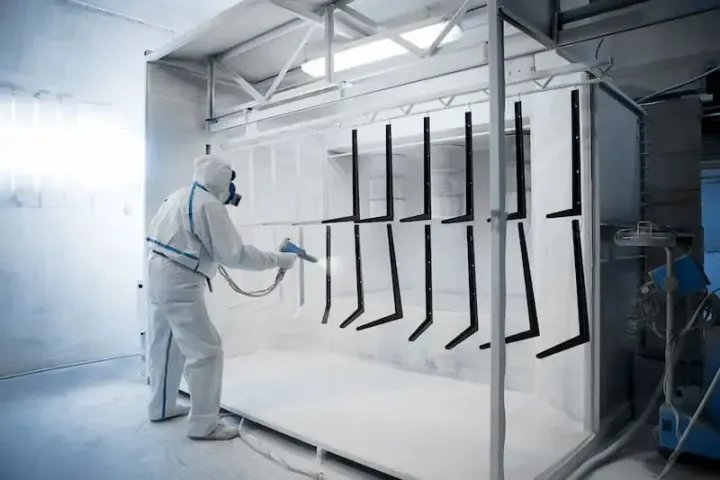
Powder coating is a widely used surface finishing process that provides protection, durability, and visual appeal to metal and non-metal products. It is commonly applied to automotive parts, appliances, architectural components, industrial equipment, furniture, and consumer goods. Unlike traditional liquid paints, powder coating uses a dry powder that is applied electrostatically and then cured under heat to form a solid, protective layer. The relevance of powder coating has grown as industries seek finishes that are long-lasting, environmentally responsible, and cost-effective over the product lifecycle. Powder coating meets these needs by offering strong resistance to wear, corrosion, and chemicals while producing minimal waste. Understanding how powder coating works, where it is best applied, and what options are available helps manufacturers, engineers, facility managers, and even consumers make informed decisions. This guide explains powder coating in a simple, user-focused way, covering benefits and limitations, types and categories, current trends, key features, leading solution providers, selection guidance, maintenance tips, frequently asked questions, and a practical conclusion.
Benefits of Powder Coating
1. High Durability
Powder-coated surfaces are resistant to chipping, scratching, fading, and wear. This makes them suitable for both indoor and outdoor applications.
2. Corrosion and Chemical Resistance
Properly applied powder coatings protect surfaces from moisture, salt, chemicals, and environmental exposure.
3. Environmentally Responsible Process
Powder coating produces little to no volatile organic compounds (VOCs) and allows overspray to be collected and reused.
4. Uniform and Consistent Finish
Electrostatic application helps achieve even coating thickness and smooth surface appearance.
5. Wide Range of Finishes
Powder coatings are available in various colors, textures, gloss levels, and special effects.
6. Cost Efficiency Over Time
While initial setup costs can be higher, long-term maintenance and rework costs are often lower compared to liquid painting.
Limitations of Powder Coating
1. Initial Equipment Investment
Powder coating systems require spray booths, curing ovens, and application equipment.
2. Heat Sensitivity of Substrates
The curing process involves high temperatures, which may not be suitable for heat-sensitive materials.
3. Color Change Time
Switching colors in a powder coating line can take time due to cleaning and setup requirements.
4. Limited Field Application
Powder coating is typically applied in controlled facilities and is less practical for on-site repairs.
5. Thickness Control Challenges
Very thin coatings are harder to achieve compared to liquid paint systems.
Types and Categories of Powder Coating
1. Thermoset Powder Coatings
These coatings cure through a chemical reaction that creates a hard, cross-linked structure.
Common types:
• Epoxy
• Polyester
• Epoxy-polyester hybrids
• Acrylic
Best for:
• Automotive parts
• Appliances
• Architectural components
2. Thermoplastic Powder Coatings
These coatings melt and flow when heated but do not undergo a chemical reaction.
Common types:
• Nylon
• Polyethylene
• PVC
Best for:
• Thick coatings
• Impact resistance
• Electrical insulation
3. Epoxy Powder Coatings
Known for strong adhesion and chemical resistance.
Limitations:
• Poor UV resistance for outdoor use
4. Polyester Powder Coatings
Offer good weather resistance and color stability.
Best for:
• Outdoor furniture
• Building facades
5. Hybrid Powder Coatings
Combine epoxy and polyester properties.
Best for:
• Indoor applications
• Decorative finishes
6. Specialty Powder Coatings
Designed for specific needs such as antimicrobial protection, high-temperature resistance, or electrical insulation.
Comparison Table: Common Powder Coating Types
| Powder Type | Durability | UV Resistance | Typical Applications |
|---|---|---|---|
| Epoxy | Very high | Low | Indoor industrial parts |
| Polyester | High | High | Outdoor products |
| Hybrid | Medium to high | Medium | Appliances, furniture |
| Thermoplastic | Very high | Medium | Heavy-duty coatings |
| Specialty | Application-specific | Varies | Technical uses |
Latest Trends and Innovations in Powder Coating
1. Low-Temperature Curing Powders
New formulations cure at lower temperatures, expanding use to heat-sensitive substrates.
2. Ultra-Durable Outdoor Coatings
Improved polyester systems provide longer color retention and weather resistance.
3. Thin-Film Powder Coatings
Advances allow thinner coatings with smooth finishes, reducing material usage.
4. Sustainable Powder Formulations
Manufacturers focus on reducing environmental impact through recyclable materials and lower energy use.
5. Digital Color Matching
Advanced color control systems improve consistency across production batches.
6. Functional Coatings
Powders with antimicrobial, anti-slip, or conductive properties are gaining attention.
7. Automation and Robotics
Automated spray systems improve efficiency, repeatability, and worker safety.
Key Features to Consider When Evaluating Powder Coating
1. Substrate Compatibility
Ensure the coating is suitable for the base material, such as steel, aluminum, or alloys.
2. Environmental Exposure
Outdoor or corrosive environments require coatings with strong UV and chemical resistance.
3. Finish Requirements
Consider color, texture, gloss level, and aesthetic expectations.
4. Coating Thickness
Different applications require different thickness levels for protection and appearance.
5. Cure Temperature and Time
Check compatibility with available ovens and production speed.
6. Adhesion and Flexibility
Good adhesion prevents peeling, while flexibility supports impact resistance.
7. Regulatory and Safety Compliance
Coatings may need to meet industry-specific standards or certifications.
8. Lifecycle Cost
Include material usage, energy consumption, rework rates, and maintenance.
Leading Powder Coating Companies and Public Information Sources
The following companies are widely known for powder coatings and surface finishing solutions. These links are provided for general information and technical reference, not endorsements.
| Company | Known For | Public Link |
|---|---|---|
| AkzoNobel | Industrial and architectural powder coatings | https://www.akzonobel.com |
| PPG Industries | Powder coating technologies | https://www.ppg.com |
| Sherwin-Williams | Protective and decorative coatings | https://www.sherwin-williams.com |
| Axalta | Performance powder coatings | https://www.axalta.com |
| Jotun | Industrial and protective coatings | https://www.jotun.com |
| TIGER Coatings | Architectural powder coatings | https://www.tiger-coatings.com |
| IFS Coatings | Specialty powder coating solutions | https://www.ifspowder.com |
How to Choose the Right Powder Coating
Step 1: Define the Application
Identify whether the product is for indoor or outdoor use and expected wear conditions.
Step 2: Evaluate Substrate and Preparation
Proper surface preparation such as cleaning and pretreatment is essential for performance.
Step 3: Select Powder Type
Choose epoxy, polyester, hybrid, or thermoplastic based on functional requirements.
Step 4: Consider Appearance Needs
Match color, gloss, and texture to design expectations.
Step 5: Assess Production Capabilities
Ensure curing temperature and cycle times fit available equipment.
Step 6: Review Environmental and Safety Requirements
Confirm compliance with environmental regulations and workplace safety standards.
Step 7: Compare Long-Term Performance
Balance upfront cost with durability, maintenance, and warranty expectations.
Selection Checklist for Powder Coating
[ ] Product application defined
[ ] Substrate material confirmed
[ ] Environmental exposure assessed
[ ] Powder type selected
[ ] Finish and appearance requirements reviewed
[ ] Curing process compatibility checked
[ ] Coating thickness specified
[ ] Regulatory compliance verified
[ ] Long-term durability considered
[ ] Production efficiency evaluated
Tips for Best Use and Maintenance of Powder-Coated Surfaces
1. Ensure Proper Surface Preparation
Cleaning and pretreatment directly affect coating adhesion and lifespan.
2. Follow Recommended Curing Conditions
Correct temperature and time are critical for full coating performance.
3. Avoid Abrasive Cleaning
Use mild cleaners to maintain appearance and prevent surface damage.
4. Inspect Coatings Regularly
Early detection of chips or damage helps prevent corrosion spread.
5. Protect During Transport and Installation
Handling damage can compromise coating integrity.
6. Store Powder Materials Correctly
Powder should be kept dry and within recommended temperature ranges.
7. Train Operators Properly
Consistent application depends on skilled handling and process control.
FAQs About Powder Coating
1. What materials can be powder coated?
Most metals such as steel and aluminum can be powder coated. Some plastics can also be coated using low-temperature powders.
2. Is powder coating better than liquid paint?
It depends on the application. Powder coating offers durability and environmental benefits, while liquid paint may suit on-site repairs.
3. How long does powder coating last?
With proper selection and application, powder coatings can last many years, even in outdoor environments.
4. Can powder coating be repaired?
Minor damage can be repaired, but larger areas may require recoating.
5. Is powder coating environmentally safe?
Yes. It produces minimal waste and contains no solvents.
6. Does powder coating rust?
The coating itself does not rust, but underlying metal can corrode if the coating is damaged.
7. Is powder coating suitable for outdoor use?
Yes, especially polyester-based coatings designed for UV resistance.
Conclusion: A Practical Takeaway
Powder coating is a versatile and durable surface finishing method that supports a wide range of industrial, architectural, and consumer applications. Its resistance to wear, corrosion, and environmental exposure makes it a reliable choice for long-term performance, while its low environmental impact aligns with modern sustainability goals.
By understanding the types of powder coatings, their benefits and limitations, key features, and selection considerations outlined in this guide, users can make informed decisions that match functional needs and production capabilities. When properly applied and maintained, powder coating provides a strong balance of protection, appearance, and efficiency, making it a dependable solution in modern manufacturing and design.