Your Complete Guide to Deep Tissue Massage Services in Vietnam
Deep tissue massage has become one of the most sought-after wellness services in Vietnam, attracting both locals and international visitors.
Whether you are dealing with muscle tension from long hours at work, recovering from intense physical activity, or simply exploring wellness options while traveling, Vietnam offers a wide range of massage services that emphasize technique, professionalism, and accessibility.
This guide provides a clear, user-focused overview of deep tissue massage services across Vietnam. It covers the benefits and limitations, types of services, industry trends, what to expect during a session, how to select the right provider, and frequently asked questions. The goal is to help you make informed decisions without overwhelming detail or promotional claims.
Introduction: Why Deep Tissue Massage Is Popular in Vietnam
Vietnam has a long tradition of therapeutic massage practices influenced by Southeast Asian, Chinese, and modern Western techniques. As tourism expanded and wellness culture grew within the country, deep tissue massage emerged as a widely available service in cities such as Ho Chi Minh City, Hanoi, Da Nang, Nha Trang, and Hoi An.
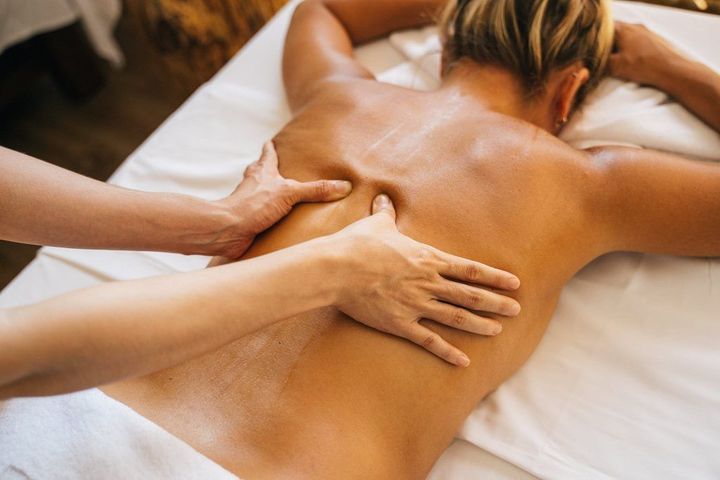
Deep tissue massage focuses on realigning deeper layers of muscles and connective tissues. It uses firm pressure and slow strokes to target chronic tension, knots, and patterns of tightness that typical relaxation massage may not address. Because many travelers experience muscle stiffness from long flights, motorbike tours, or intensive schedules, deep tissue massage quickly became a demand-driven service.
Additionally, Vietnamese wellness centers continue to refine techniques, introduce standardized training, and provide options for different budgets, making deep tissue massage accessible to a broad audience.
Benefits and Limitations of Deep Tissue Massage
Deep tissue massage is effective for managing certain physical discomforts, but understanding both its advantages and limitations ensures realistic expectations.
Benefits
Relieves chronic tension
Deep pressure helps loosen tight muscle fibers and release persistent knots, often found in the back, shoulders, and legs.
Improves mobility and flexibility
Breaking down adhesions in connective tissues may support better joint movement and posture.
Supports recovery after physical strain
Athletes, hikers, or travelers engaged in extensive physical activity may find relief from soreness.
Promotes relaxation with a therapeutic approach
While more intense than a typical spa massage, it can still provide mental relaxation by lowering muscle stress.
Targets specific problem areas
Therapists can focus on areas such as the neck, lower back, or calves to address individual needs.
Limitations
Can be uncomfortable
The technique involves strong pressure, which may not suit individuals sensitive to pain or pressure.
Not ideal for certain health conditions
People with injuries, inflammation, recent surgeries, or certain cardiovascular conditions should consult a medical professional before seeking deep tissue massage.
Results vary
Improvement may require multiple sessions depending on the intensity of the issue.
Temporary soreness is common
Muscle tenderness can occur for 24 to 48 hours following treatment.
Types or Categories of Deep Tissue Massage Services in Vietnam
Deep tissue massage in Vietnam generally falls into several categories. While offerings vary by location, the following types are commonly available.
Standard Deep Tissue Massage
A full-body treatment applying firm pressure, focusing on major muscle groups. Suitable for general tension relief and body alignment.
Targeted Deep Tissue Treatment
Therapists work intensively on specific zones, such as the back, neck, legs, or shoulders. Useful for people with sedentary work patterns or localized soreness.
Sports Deep Tissue Massage
Combines deep pressure with stretching and mobility techniques. Often used by athletes, cyclists, hikers, and gym-goers.
Vietnamese Traditional Deep Pressure Massage
Integrates local techniques such as acupressure and herbal applications. Pressure points are emphasized to balance muscle tension.
Aromatherapy Deep Tissue Massage
Uses essential oils to support relaxation, though the pressure remains firm. This format blends therapeutic and calming elements.
Hot Stone or Herbal Compress Deep Tissue Massage
Heat helps soften muscles, making deep pressure more comfortable and effective. This option is popular in resort areas.
Latest Trends and Innovations in Vietnam’s Massage Industry
Vietnam’s wellness industry continues evolving, and several trends are shaping deep tissue massage services.
Standardization of Therapist Training
Many reputable centers now emphasize structured training, certification, and anatomy-focused sessions rather than relying solely on traditional techniques.
Integration of Technology
Some clinics use heat devices, massage guns, or vibration therapy to complement manual deep tissue techniques.
Wellness-Focused Facilities
Urban centers increasingly offer multi-service wellness hubs that combine massage, physiotherapy, stretching classes, and relaxation spaces.
Customized Sessions
Providers now allow users to choose pressure intensity, focus areas, session length, and type of oil or balm.
Greater Transparency
Menu explanations, technique descriptions, hygiene standards, and pricing breakdowns are becoming more publicly accessible on websites and review platforms.
Key Features to Consider When Choosing a Deep Tissue Massage Service
Below is a checklist to help evaluate quality, safety, and suitability.
Quality Checklist
-
Therapist training and experience
-
Clear communication of pressure preferences
-
Hygiene and cleanliness standards
-
Professional environment
-
Clear pricing with no hidden fees
-
Availability of male or female therapist options
-
Respectful and comfortable atmosphere
-
Reviews from reliable platforms
-
Transparent information about techniques and session structure
-
Ability to request adjustments during the session
Service Factors to Consider
-
Duration options (60, 90, or 120 minutes)
-
Focus areas available
-
Add-ons such as hot stones or herbal compresses
-
Whether oil, balm, or non-oil techniques are used
-
Level of pressure available (medium to very firm)
-
Privacy and comfort (room setup, temperature, towels, etc.)
Comparison Table: Types of Deep Tissue Massage Available in Vietnam
| Massage Type | Pressure Level | Best For | Typical Duration | Notes |
|---|---|---|---|---|
| Standard Deep Tissue | Firm | General tension | 60–90 min | Full-body |
| Targeted Deep Tissue | Firm to very firm | Specific muscle issues | 30–60 min | Focused on problem areas |
| Sports Massage | Firm + stretching | Athletes, gym-goers | 60–90 min | Helps recovery |
| Vietnamese Pressure Massage | Firm | Traditional methods | 60 min | May include acupressure |
| Aromatherapy Deep Tissue | Medium to firm | Relaxation + depth | 60–90 min | Uses essential oils |
| Hot Stone/Herbal Compress | Medium to firm | Muscle softening | 90 min | Heat enhances effectiveness |
Top Companies or Popular Providers (With Public Links)
The following providers are well-known for professional service standards. These are public, widely accessible brands or centers, not endorsements. Availability may vary by city.
Saigon Heritage Spa (Ho Chi Minh City)
Website: saigonheritage.com
Temple Leaf Spa (Ho Chi Minh City)
Website: templeleafspa.com
Ong Bau Massage (Ho Chi Minh City)
Website: ongbaumassage.com
La Maison Spa (Da Nang)
Website: lamaisonspa.com
Anam QT Spa (Hanoi)
Website: anamqtspa.vn
Sen Spa (Ho Chi Minh City)
Website: senspa.com.vn
These centers typically offer deep tissue services with transparent pricing, trained staff, and standardized procedures. Always confirm details directly with the provider.
How to Choose the Right Deep Tissue Massage Service in Vietnam
Selecting the right place depends on your goals, budget, health status, and personal preferences. Below are steps to guide your decision.
Step 1: Identify Your Purpose
Are you seeking relief from chronic tension, relaxing after travel, or addressing a specific muscle issue? Your goal will determine whether you need targeted therapy or a general session.
Step 2: Check Therapist Qualifications
Look for providers that highlight training, certification, or professional experience. Many reputable centers list these on their websites.
Step 3: Review User Feedback
Reading detailed reviews gives insight into pressure accuracy, professionalism, and overall experience.
Step 4: Consider the Environment
A clean, calm, well-organized space contributes significantly to comfort and effectiveness.
Step 5: Confirm Pressure Options
Not all deep tissue massages are equally intense. Ensure the provider is willing to adjust pressure during the session.
Step 6: Verify Pricing and Session Length
Choose a place that explains costs clearly. Standard sessions range from 60 to 120 minutes based on preference.
Step 7: Ask About Health Considerations
If you have conditions such as injuries or inflammation, choose a center that asks health-related questions before beginning.
Tips for Best Results and Aftercare
Getting the most from your deep tissue massage involves both preparation and aftercare.
Before the Session
-
Avoid heavy meals beforehand.
-
Communicate clearly about pressure levels and sensitive areas.
-
Mention recent injuries, medical issues, or discomfort.
-
Stay hydrated.
During the Session
-
If pressure is too intense, communicate immediately.
-
Relax the muscles as much as possible to help the therapist work more effectively.
-
Breathe steadily to reduce tension.
After the Session
-
Hydrate to support muscle recovery.
-
Expect mild soreness for up to 48 hours.
-
Gently stretch the treated areas.
-
Avoid intense workouts for at least 24 hours.
-
Apply a warm compress if muscles feel tight.
Frequently Asked Questions
Is deep tissue massage safe for everyone?
Most people can safely receive deep tissue massage, but individuals with injuries, inflammation, certain chronic diseases, or post-surgery recovery should consult a medical professional first.
How much does a deep tissue massage cost in Vietnam?
Pricing varies by location and reputation. Typical ranges:
-
Budget: 300,000–500,000 VND
-
Mid-range: 500,000–900,000 VND
-
Premium: 1,000,000 VND and above
These are approximate figures and may differ by city.
Do therapists speak English?
In tourist-heavy areas such as Ho Chi Minh City, Da Nang, and Hoi An, many therapists have basic English communication skills. In smaller towns, English levels may vary.
How long should a session last?
A 60-minute session is standard, but 90-minute sessions offer deeper, more comprehensive treatment.
Can deep tissue massage help with posture problems?
It may reduce muscle tightness associated with poor posture. However, long-term posture correction may require exercise, ergonomic adjustments, or physiotherapy.
Is tipping expected in Vietnam?
Tipping is common but not mandatory. In many spa centers, tips are given directly to the therapist.
Is it normal to feel sore afterward?
Yes. Mild soreness is normal, especially after intense pressure. It typically fades within a day or two.
Conclusion: Making Deep Tissue Massage a Meaningful Part of Your Wellness Routine
Deep tissue massage in Vietnam offers a blend of skilled techniques, accessible pricing, and a wide range of service types suitable for different goals. Whether you are a traveler seeking relief from a long journey or a resident looking to manage chronic muscle tension, understanding the benefits, limits, and options helps you choose the right experience.
A thoughtful approach—selecting trained therapists, communicating openly, and practicing proper aftercare—can make deep tissue massage a valuable addition to your wellness routine. With Vietnam’s continually evolving wellness industry, users can expect increasingly professional, transparent, and user-focused services across the country.