A Clear, Practical Guide for Understanding Modern Storage Solutions
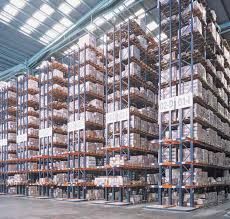
Racking systems are essential components of modern storage, logistics, and warehouse operations. They help businesses and organizations organize goods, improve access, and maximize available space. From small retail stockrooms to large distribution centers, effective racking systems make it possible to store items safely and efficiently while supporting smooth workflow. The increasing demand for faster delivery, better inventory control, and optimized storage capacity has made racking systems more relevant than ever. Whether someone is learning about warehouse operations, planning a storage upgrade, or simply trying to understand the basics, this guide provides a detailed, easy-to-follow explanation of racking systems, their types, benefits, limitations, and how to choose the right system.
Benefits of Racking Systems
Racking systems offer several advantages that support organized, high-performance storage environments.
1. Better Space Utilization
Racking systems take advantage of vertical space, enabling more storage within the same footprint. This reduces clutter, improves accessibility, and can delay or eliminate the need for expansion.
2. Improved Inventory Organization
A structured racking layout helps categorize products, making it easier to locate, track, and retrieve items. This is important for warehouses that handle a large range of products.
3. Enhanced Safety
Well-designed racking reduces the risk of product damage and workplace accidents. It provides stable support for materials and helps maintain clear pathways for workers and equipment.
4. Greater Productivity
When items are stored efficiently, workers spend less time searching for products. Smooth movement of forklifts and pallet jacks also boosts operational speed.
5. Flexibility for Growth
Many racking systems can be expanded, adjusted, or reconfigured as storage needs change, making them suitable for evolving businesses.
Limitations of Racking Systems
While helpful, racking systems also have limitations that must be considered.
1. Initial Investment
The cost of purchasing and installing racks, along with any required material-handling equipment, can be significant depending on system size and complexity.
2. Need for Proper Training
Workers must be trained to load and unload racks correctly to prevent damage or safety risks.
3. Floor and Building Requirements
Some racking systems require strong flooring, suitable ceiling height, or specific building structures. Thick concrete floors may be necessary for heavy loads.
4. Maintenance and Inspections
Regular inspections are needed to check for damage, especially from forklifts. Neglecting maintenance can compromise safety and performance.
5. Limited Suitability for Certain Goods
Items that are extremely fragile, irregularly shaped, or require controlled environments may not fit standard racking systems.
Types of Racking Systems
Racking systems come in several categories, each designed for specific storage needs.
1. Selective Pallet Racking
This is the most common type used in warehouses. It provides direct access to every pallet and works well with a wide range of products.
2. Drive-In and Drive-Through Racking
These systems allow forklifts to enter the racking structure. They maximize storage density by reducing aisles.
Drive-in uses a last-in, first-out (LIFO) system, while drive-through supports first-in, first-out (FIFO) flow.
3. Push-Back Racking
Pallets are loaded onto wheeled carts that move along inclined rails. New pallets push older ones back. This increases storage density while offering easier access compared to drive-in systems.
4. Cantilever Racking
Designed for long, bulky items such as pipes, timber, and steel bars. It has arms extending from columns rather than shelves.
5. Mezzanine Racking
This system creates additional storage floors within a warehouse without expanding the building footprint.
6. Carton Flow or Gravity Flow Racking
Ideal for fast-moving items. Products move forward automatically using gravity, making picking easier.
7. Mobile Racking
Shelving units move along tracks to open only the aisle needed at a specific time. This reduces unused aisle space and increases storage density.
8. Automated Storage and Retrieval Systems (ASRS)
Automated systems use robotics, conveyors, and sensors to store and retrieve items. They suit large operations that require accuracy and high throughput.
Comparison Table: Major Racking System Types
| Racking Type | Accessibility | Storage Density | Best For | Typical Use |
|---|---|---|---|---|
| Selective Pallet | High | Medium | Versatile items | General warehouses |
| Drive-In | Low | High | Large quantities of same SKU | Cold storage, bulk storage |
| Push-Back | Medium | High | Medium-rotation goods | Distribution centers |
| Cantilever | High | Low | Long or awkward items | Manufacturing, lumber |
| Mezzanine | High | High | Additional floor space | Warehouses needing expansion |
| Carton/Gravity Flow | High | Medium | Fast-moving goods | Order picking operations |
| Mobile | High | Very High | Limited floor space | Archives, cold storage |
| ASRS | Very High | High | Automation and accuracy | Large-scale logistics |
Latest Trends and Innovations in Racking Systems
Modern racking systems continue to evolve as warehouses adopt new technologies and demand increases for efficiency, speed, and accuracy.
1. Automation Integration
Many warehouses are integrating automated systems such as robotic pickers, ASRS, conveyor networks, and smart sensors. These innovations reduce manual work, increase accuracy, and improve throughput.
2. Smart Shelving with IoT Sensors
Sensors can track inventory levels, shelf weight, and movement. This enhances visibility, reduces errors, and improves inventory forecasting.
3. Modular and Flexible Designs
Newer racking systems allow easier reconfiguration. This helps businesses adapt quickly to changes in demand or SKU variety.
4. Sustainable Materials and Designs
Manufacturers are developing racking made from recycled steel and energy-efficient processes to support sustainable growth.
5. Advanced Safety Features
Improved beam locks, column guards, impact-resistant frames, and structural monitoring tools help reduce workplace accidents and equipment damage.
6. High-Density Cold Storage Racking
Drive-in, mobile, and shuttle-based systems are increasingly used in temperature-controlled environments, where maximizing space is crucial due to high energy costs.
Key Features to Consider When Evaluating a Racking System
To choose the right system, it is helpful to evaluate features based on usage, safety requirements, and operational goals.
1. Load Capacity
Each rack must support the weight of pallets, cartons, or products. Overloading can compromise safety.
2. Accessibility
Systems vary in how easily goods can be reached. Fast-moving inventory typically needs high accessibility.
3. Space Availability
The layout must consider ceiling height, floor strength, and aisle width required for equipment.
4. Compatibility with Material-Handling Equipment
Forklifts, pallet jacks, and automated robots require specific clearances and rack spacing.
5. Safety Components
Look for beam locks, rack protectors, anti-collapse mesh, and guard rails.
6. Flexibility and Scalability
If storage needs change over time, modular or adjustable systems may offer better long-term value.
7. Compliance with Standards
Depending on the region, racking systems may need to meet structural or safety guidelines.
Top Companies and Public Information Sources
Below is a list of well-known companies offering racking solutions. The links lead to publicly accessible information.
| Company | Known For | Public Information Link |
|---|---|---|
| Dexion | Industrial racking and shelving | https://www.dexion.com |
| Interroll | Conveyor and dynamic storage systems | https://www.interroll.com |
| SSI Schaefer | Warehouse and logistics storage systems | https://www.ssi-schaefer.com |
| Mecalux | Pallet racking, ASRS solutions | https://www.mecalux.com |
| Daifuku | Automated material-handling systems | https://www.daifuku.com |
| Kardex | Automated storage and retrieval | https://www.kardex.com |
| Frazier Industrial Company | Structural steel racking | https://www.frazier.com |
These links provide technical specifications, product categories, case studies, and industry resources.
How to Choose the Right Racking System
Choosing a racking system requires a structured approach to balance cost, efficiency, and operational needs.
Step 1: Understand Storage Requirements
Identify the types of products, their dimensions, weights, and handling requirements. Determine how often items need to be accessed.
Step 2: Evaluate Available Space
Measure ceiling height, floor strength, door clearance, and aisle spacing. Consider future expansion requirements.
Step 3: Identify Material-Handling Equipment
Ensure the racking system aligns with existing or planned forklifts, pallet jacks, robots, or conveyors.
Step 4: Consider Inventory Flow
For fast-moving inventory, accessibility may be more important than density. For bulk storage, high-density designs may offer better use of space.
Step 5: Assess Safety and Compliance Needs
Check that the system meets safety standards, including load labeling, impact protection, and worker safety requirements.
Step 6: Compare Lifecycle Costs
Cost involves more than purchase price. Evaluate installation, maintenance, repairs, and potential reconfiguration needs.
Step 7: Review Documentation and Support
Technical drawings, load charts, installation guides, and service availability help ensure long-term reliability.
Selection Checklist for Racking Systems
This checklist can help organize the decision-making process:
[ ] Storage needs clearly defined
[ ] Load capacities reviewed for all rack levels
[ ] Product dimensions and weights analyzed
[ ] Floor strength and ceiling height confirmed
[ ] Inventory turnover identified
[ ] Accessibility requirements determined
[ ] Compatibility with forklifts or equipment verified
[ ] Safety features evaluated
[ ] Compliance with regional standards checked
[ ] Budget and lifecycle costs compared
[ ] Future growth or reconfiguration considered
[ ] Documentation from manufacturer reviewed
Tips for Best Use and Maintenance of Racking Systems
Proper use and maintenance extend the lifespan of racking systems and support a safer workplace.
1. Conduct Regular Inspections
Look for signs of damage, such as bent beams, loose bolts, or rust. Catching issues early prevents costly repairs.
2. Keep Aisles Clear
Cluttered aisles increase accident risk and make it harder to access goods efficiently.
3. Label Load Limits Clearly
Workers should always know the maximum weight a rack can support. Labels help prevent accidental overloading.
4. Train Staff on Proper Handling
Forklift and pallet-jack operators should be trained to place and remove loads carefully to avoid structural damage.
5. Use Rack Protectors
Column guards, frame protectors, and barriers reduce impact damage from equipment.
6. Ensure Even Load Distribution
Uneven loading can affect rack stability and increase wear.
7. Maintain Environmental Conditions
For certain items, controlling humidity or temperature may be necessary to preserve product quality and rack durability.
FAQs About Racking Systems
1. Do racking systems require special flooring?
Heavy-duty racks often require strong concrete floors. Floor specifications depend on load and rack type.
2. How often should racking systems be inspected?
Routine visual inspections can be done weekly or monthly, while detailed professional inspections are often recommended annually.
3. Are racking systems adjustable?
Many systems allow shelf heights or beam levels to be adjusted, especially selective pallet racking.
4. Can racking systems be relocated?
Yes, most systems can be relocated or expanded, but they must be dismantled and reinstalled correctly.
5. What causes rack damage most frequently?
Forklift impact is one of the most common causes. Proper training and protective devices reduce this risk.
6. Are racking systems suitable for small businesses?
Yes. From light-duty shelving to mobile storage, options exist for small stockrooms, offices, and retail storage.
7. What safety standards apply to racking systems?
Standards vary by region but typically cover load capacity, installation, and inspection requirements.
Conclusion: A Practical Takeaway
Racking systems play a crucial role in creating organized, efficient, and safe storage environments. By maximizing vertical space, improving inventory flow, and supporting faster operations, they help warehouses and facilities operate with greater reliability and structure. As technology evolves, modern racking systems continue to adopt automation, modular design, and advanced safety features.
Understanding the types of racking systems, their benefits and limitations, and the factors that influence selection helps users make informed decisions. Whether evaluating options for a new warehouse, updating a storage room, or learning how modern logistics works, a solid understanding of racking systems provides confidence and clarity in planning and operations.