Accommodation in India Explained: Hotels, Luxury Resorts, Budget Stays, Homestays, Serviced Apartments, Booking Platforms and Hospitality Industry Trends
Accommodation in India refers to the different types of lodging facilities available to domestic and international travelers. These include luxury hotels, business hotels, budget accommodation, beach resorts, heritage properties, homestays, guest houses, and serviced apartments. The hospitality industry supports tourism by providing places to stay for leisure travelers, business professionals, families, students, and long-term visitors.
India's accommodation industry has developed alongside the country's tourism, transportation, and commercial sectors. Traditional guest houses, heritage residences, and roadside lodges gradually expanded into organized hotel chains, international resorts, and professionally managed accommodation properties.
Today, accommodation in India includes traditional hospitality establishments and digitally managed properties. Online booking platforms, electronic payments, property management software, and modern reservation systems have changed how travelers research and arrange their stays.
Why the Accommodation Industry Matters in India
The accommodation industry is an important part of India's tourism and hospitality economy. Hotels, resorts, homestays, and serviced apartments support domestic tourism, international travel, business activities, conferences, and cultural tourism.
According to NITI Aayog's 2026 tourism and hospitality report, India's tourism sector contributed approximately ₹15.73 lakh crore to GDP in FY 2023–24 and supported an estimated 84.6 million jobs. The report also highlights the economic importance of accommodation establishments, including hotels and homestays.
Accommodation facilities address different traveler requirements:
Business Travel: Business hotels provide convenient access to commercial districts, meeting facilities, and transportation networks.
Family Holidays: Resorts and family hotels provide accommodation with recreational facilities and multiple room configurations.
Luxury Tourism: Premium hotels and private villas support travelers seeking specialized hospitality experiences.
Budget Travel: Economy hotels, hostels, and guest houses provide accommodation for travelers with different spending limits.
Long-Term Stays: Serviced apartments and extended-stay properties accommodate professionals, students, and relocating families.
Cultural Tourism: Heritage hotels and homestays provide opportunities to experience local architecture, traditions, and food.
These accommodation categories contribute to tourism activity across metropolitan cities, smaller towns, coastal destinations, and rural regions.
Major Types of Accommodation in India
India has several accommodation categories designed around different travel purposes, facilities, and lengths of stay.
Luxury Hotels and Premium Accommodation
Luxury hotels provide upscale rooms, restaurants, conference facilities, wellness centers, swimming pools, and personalized hospitality arrangements.
These properties are commonly located in metropolitan cities, business districts, and established tourist destinations.
Popular luxury hotel destinations include Mumbai, Delhi, Bengaluru, Jaipur, Goa, Udaipur, and Hyderabad.
Luxury Resorts and Holiday Properties
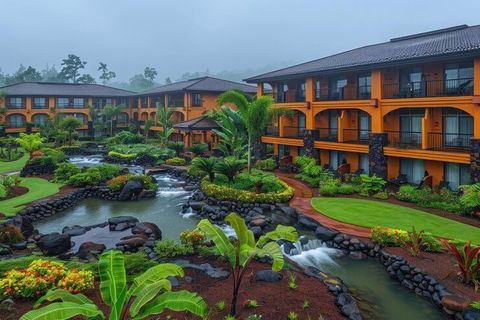
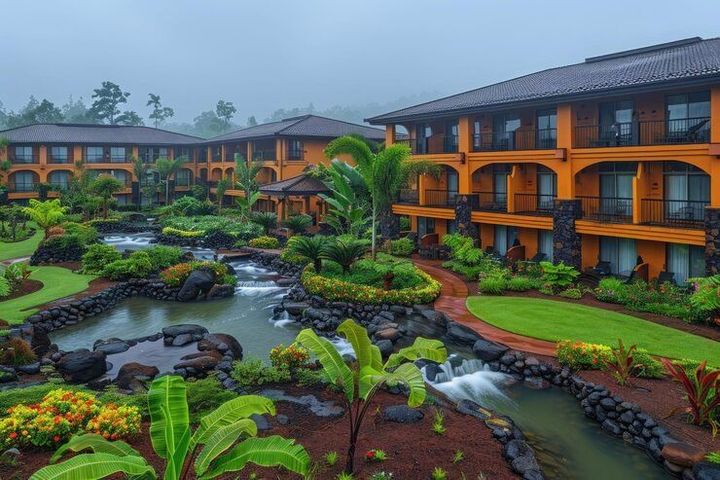
Luxury resorts generally combine accommodation with recreational facilities and destination-based experiences.
They are commonly found in beach destinations, hill stations, wildlife regions, and leisure tourism locations.
Examples include beachfront resorts in Goa, private villas in Kerala, mountain resorts in Himachal Pradesh, and island properties in the Andaman and Nicobar Islands.
Budget Hotels and Guest Houses
Budget hotels provide essential accommodation facilities, including furnished rooms, bathrooms, housekeeping arrangements, and basic guest facilities.
Guest houses and economy hotels are commonly located near railway stations, airports, commercial areas, educational institutions, and tourist attractions.
These properties are used by business travelers, families, students, and visitors seeking short-term accommodation.
Homestays and Bed-and-Breakfast Properties
Homestays allow visitors to stay in residential properties operated by local hosts. Depending on the arrangement, guests may receive meals, furnished rooms, and opportunities to experience regional lifestyles.
Bed-and-breakfast establishments generally combine overnight accommodation with breakfast facilities.
Homestays are particularly relevant in destinations such as Kerala, Uttarakhand, Himachal Pradesh, Rajasthan, Meghalaya, and Sikkim.
Serviced Apartments and Extended-Stay Accommodation
Serviced apartments combine residential features with selected hotel-style facilities. They generally include furnished bedrooms, kitchens or kitchenettes, living areas, and housekeeping arrangements.
These properties are commonly used by corporate travelers, expatriates, relocating families, and professionals staying in a city for extended periods.
Popular Accommodation Destinations in India
Accommodation availability varies according to tourism activity, local infrastructure, business development, and regional attractions.
Mumbai and Delhi
Mumbai and Delhi have extensive accommodation options, including luxury hotels, business hotels, serviced apartments, and budget properties.
Mumbai attracts corporate travelers, international visitors, and leisure tourists. Delhi provides accommodation near government districts, historical attractions, commercial centers, and international transportation facilities.
Goa and Kerala
Goa is known for beach resorts, boutique hotels, private villas, and holiday apartments.
Kerala has waterfront resorts, plantation stays, Ayurveda retreats, and traditional homestays.
Jaipur and Udaipur
Jaipur and Udaipur attract visitors interested in heritage hotels, palace properties, boutique accommodation, and cultural tourism.
Manali, Shimla and Rishikesh
These destinations have mountain resorts, guest houses, cottages, homestays, and nature-oriented accommodation.
Travelers commonly visit these locations for mountain holidays, outdoor activities, religious tourism, and seasonal vacations.
Global Hotel Brands and Accommodation Companies Operating in India
India's hospitality market includes domestic hotel groups, international hotel chains, resort operators, and alternative accommodation companies.
Some internationally recognized hospitality companies operating in India include:
Taj Hotels: Operates luxury hotels, heritage properties, and resorts.
The Oberoi Group: Operates luxury hotels and premium hospitality properties.
Marriott International: Operates several hotel brands across Indian cities and tourist destinations.
Hilton: Provides accommodation through multiple hotel brands.
ITC Hotels: Operates luxury, premium, and business accommodation properties.
Lemon Tree Hotels: Operates properties across business and leisure destinations.
IHCL: Operates hotels and resorts under several hospitality brands.
The facilities, accommodation categories, and property locations vary across individual hotel groups.
Hotel Booking Platforms and Online Accommodation Reservations
Digital booking platforms have changed how travelers discover accommodation in India. These platforms allow users to compare hotel categories, room facilities, guest reviews, locations, and reservation conditions.
Commonly used accommodation booking platforms include:
MakeMyTrip: Provides hotel searches, accommodation reservations, and travel planning features.
Goibibo: Supports hotel discovery and online accommodation reservations.
Booking.com: Provides access to hotels, apartments, guest houses, and alternative accommodation.
Agoda: Features hotels, resorts, and other accommodation properties across Indian destinations.
Expedia: Provides accommodation searches and combined travel planning facilities.
Airbnb: Features homestays, holiday homes, private rooms, and apartments.
Cleartrip: Provides hotel reservations and other travel-related booking facilities.
Travelers generally compare the following details before making a reservation:
Room categories and occupancy limits.
Property location and transportation access.
Guest reviews and ratings.
Check-in and check-out conditions.
Cancellation and refund policies.
Included meals and additional facilities.
Taxes and applicable booking charges.
Hospitality Industry Technologies and Accommodation Management
Technology has become an important part of hotel operations and accommodation management. Digital systems help property operators organize reservations, room availability, guest information, payments, and housekeeping activities.
Property Management Systems
Hotel Property Management Systems (PMS) are software platforms used to manage room reservations, guest records, check-in procedures, billing, and room allocation.
These systems help coordinate front-desk activities and accommodation operations.
Channel Management Software
Channel management software connects hotel inventory with multiple online booking platforms. It helps update room availability, reservation information, and accommodation rates across different distribution channels.
Artificial Intelligence and Smart Hotel Technology
Artificial intelligence is increasingly being explored for guest communication, demand forecasting, personalized travel planning, and operational analysis.
Smart room technologies may include digital locks, automated lighting, temperature controls, and connected entertainment systems.
Revenue Management Software
Revenue management systems analyze booking patterns, occupancy levels, seasonal demand, and market conditions.
Hotel operators use these tools to evaluate room rates, manage inventory, and plan accommodation capacity.
Indian Hospitality Industry Trends, 2024–2026
India's accommodation industry is experiencing changes in traveler preferences, digital booking behavior, hotel development, and alternative lodging arrangements.
Several important developments include:
Growth of Homestays: Homestays and professionally managed holiday homes are becoming more visible in India's accommodation market. Domestic travelers are showing interest in local experiences, private spaces, and group accommodation.
Expansion of Tier 2 and Tier 3 Destinations: Hotel development is increasingly extending beyond major metropolitan areas. Emerging destinations are attracting hospitality development through domestic tourism, religious travel, and regional business activity.
Alternative Accommodation: Serviced apartments, vacation rentals, private villas, and apartment-style properties are becoming more established accommodation categories.
Digital Booking Growth: Online reservation platforms, mobile applications, digital payments, and automated property management systems are influencing accommodation planning and operations.
Wellness and Experiential Stays: Travelers are exploring wellness retreats, nature-based accommodation, heritage properties, and locally managed stays.
Sustainable Hospitality: Hotels and resorts are increasingly examining energy efficiency, water conservation, waste management, and environmentally responsible operating practices.
Accommodation Regulations and Government Initiatives in India
The accommodation industry in India operates under central, state, and local regulatory frameworks. Requirements depend on the property category, location, building structure, and activities conducted within the premises.
The Ministry of Tourism manages hotel classification frameworks and voluntary recognition schemes for eligible accommodation categories. Its National Integrated Database of Hospitality Industry (NIDHI+) provides a digital platform for hospitality industry registration and information.
Important regulatory areas include:
Hotel Classification: Applicable Ministry of Tourism guidelines cover categories such as star-rated hotels and heritage properties.
Building and Safety Compliance: Properties must follow applicable building regulations, fire safety requirements, and local approvals.
Business Registration: Accommodation operators must meet relevant state and municipal registration and licensing requirements.
Tax Compliance: Applicable GST and other taxation rules depend on the nature of the accommodation and prevailing regulations.
Food Safety: Properties preparing or serving food must comply with relevant Food Safety and Standards Authority of India (FSSAI) requirements.
Homestay Registration: Homestay eligibility and registration procedures vary between states and local tourism policies.
State governments may also introduce tourism policies supporting heritage accommodation, rural homestays, and community-based tourism.
Tools and Resources for Accommodation Planning in India
Several digital resources help travelers research properties, understand destinations, and organize accommodation arrangements.
Examples include:
Google Maps: For property locations, navigation, and nearby attractions.
Google Travel: For travel research and accommodation comparisons.
NIDHI+: Government platform for hospitality industry information and registration.
Hotel Management Software: For room inventory, guest records, reservations, and operational management.
Currency Converters: For understanding accommodation expenses in different currencies.
Travel Itinerary Templates: For organizing hotel stays, transportation, and sightseeing schedules.
These resources support travel planning and hospitality operations.
Frequently Asked Questions About Accommodation in India
1. What are the main types of accommodation available in India?
Major accommodation categories include luxury hotels, budget hotels, beach resorts, heritage hotels, homestays, guest houses, serviced apartments, hostels, and vacation rentals.
2. Which cities have luxury hotels and resorts in India?
Mumbai, Delhi, Goa, Jaipur, Udaipur, Bengaluru, Hyderabad, and Kerala's major tourism destinations have luxury hotels, premium resorts, and boutique accommodation properties.
3. What are the popular hotel booking platforms in India?
Popular accommodation booking platforms include MakeMyTrip, Goibibo, Booking.com, Agoda, Expedia, Cleartrip, and Airbnb.
4. What is the difference between hotels and serviced apartments?
Hotels generally provide furnished rooms with hospitality facilities and daily accommodation arrangements. Serviced apartments typically include residential features such as kitchens, living areas, and additional space for extended stays.
5. How is the accommodation industry changing in India?
The industry is experiencing growth in digital reservations, professionally managed homestays, luxury resorts, serviced apartments, sustainable hospitality, and accommodation development in emerging destinations.
Conclusion
Accommodation in India includes a wide range of properties, from luxury hotels and premium resorts to budget stays, homestays, and serviced apartments. Domestic tourism, business travel, and international visitors contribute to the development of the hospitality industry. Digital booking platforms and property management technologies are changing how accommodation is researched and managed. Government regulations, infrastructure development, and changing traveler preferences continue to shape India's accommodation market.