Autoclaves provide significant advantages, but they also have limitations. Understanding both is essential for informed decision-making.
Autoclaves are essential tools in many industries, including healthcare, laboratories, pharmaceuticals, and food processing. They are specialized devices that use high-pressure steam to sterilize equipment, materials, and biological waste, ensuring safety and preventing contamination. With strict hygiene and safety standards becoming increasingly important, autoclaves have become indispensable in both professional and research environments. This guide aims to provide an informative, user-focused overview of autoclaves, highlighting their benefits, types, latest innovations, key features, selection criteria, and maintenance tips. Whether you are a professional looking to invest in one or simply seeking to understand their role, this article offers a comprehensive resource.
Benefits and Limitations of Autoclaves
Autoclaves provide significant advantages, but they also have limitations. Understanding both is essential for informed decision-making.
Benefits
-
Effective Sterilization: Autoclaves use high-pressure steam to destroy bacteria, viruses, fungi, and spores, ensuring high levels of sterilization.
-
Time Efficiency: Compared to chemical sterilization methods, autoclaves can sterilize large volumes of equipment in shorter cycles.
-
Environmentally Friendly: Steam sterilization reduces reliance on harsh chemicals, minimizing hazardous waste.
-
Versatility: Autoclaves can sterilize a wide range of items, including surgical instruments, laboratory glassware, textiles, and culture media.
-
Safety Compliance: Regular use of autoclaves helps institutions meet strict health and safety regulations.
Limitations
-
High Initial Cost: Advanced autoclaves can be expensive to purchase and install.
-
Energy Consumption: Operating large or industrial autoclaves may require significant energy.
-
Maintenance Requirements: Regular inspections and servicing are needed to ensure optimal performance and prevent malfunctions.
-
Size Constraints: Smaller autoclaves may not accommodate large instruments or high-volume sterilization needs.
-
Not Suitable for All Materials: Heat-sensitive items may be damaged by high-pressure steam.
Types or Categories of Autoclaves
Autoclaves are available in various types, each designed to meet specific sterilization needs:
-
Gravity Displacement Autoclaves
-
Use gravity to remove air from the chamber before steam penetration.
-
Suitable for solid instruments and glassware.
-
-
Pre-Vacuum (Vacuum) Autoclaves
-
Remove air using a vacuum pump before steam injection.
-
Ensure faster and more thorough sterilization for porous loads.
-
-
Steam-Flush Pressure-Pulse Autoclaves
-
Employ repeated steam pulses to remove air.
-
Ideal for sterilizing complex instruments and lab materials.
-
-
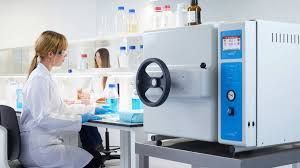
Benchtop Autoclaves
-
Compact and suitable for small laboratories or clinics.
-
Limited capacity but convenient for daily use.
-
-
Horizontal and Vertical Sterilizers
-
Horizontal models are commonly used in hospitals and industrial settings.
-
Vertical autoclaves save space but may have smaller capacity.
-
-
Industrial Autoclaves
-
Designed for large-scale sterilization in pharmaceutical, food, or biomedical industries.
-
High capacity, often automated, and built for continuous operation.
-
Latest Trends and Innovations
Autoclaves have evolved significantly in recent years, incorporating technology and design improvements to enhance efficiency, safety, and usability:
-
Digital Control Panels and Automation: Modern autoclaves feature touchscreens, programmable cycles, and automated monitoring, reducing human error.
-
Energy-Efficient Designs: New models consume less electricity and water, improving sustainability while maintaining performance.
-
Smart Connectivity: Some autoclaves can connect to software for monitoring sterilization logs, scheduling maintenance, and tracking usage.
-
Compact and Portable Models: Advances in design allow for smaller, mobile autoclaves suitable for clinics, research labs, and fieldwork.
-
Enhanced Safety Features: Pressure and temperature sensors, automatic door locks, and emergency shut-offs increase user safety.
These innovations reflect the focus on precision, reliability, and compliance with modern sterilization standards.
Key Features to Consider in an Autoclave
Selecting the right autoclave involves evaluating multiple factors that impact efficiency, safety, and suitability:
| Feature | Importance | Notes |
|---|---|---|
| Chamber Size | High | Should accommodate the largest items you need to sterilize. |
| Sterilization Cycles | Medium | Options for liquid, solid, wrapped, or unwrapped instruments. |
| Pressure and Temperature | High | Ensure proper sterilization for different materials. |
| Automation | Medium | Digital controls, timers, and programmable cycles improve usability. |
| Safety Mechanisms | High | Overpressure relief, automatic door locks, alarms, and temperature sensors. |
| Energy Efficiency | Medium | Consider water and electricity usage, especially for large or frequent operations. |
| Maintenance Accessibility | Medium | Ease of cleaning, replacing parts, and routine checks. |
| Compliance | High | Ensure the model meets local regulatory standards and certifications. |
Top Companies and Solutions
Several companies specialize in high-quality autoclaves, offering a range of sizes and features for medical, laboratory, and industrial use:
-
Tuttnauer – Known for reliable and durable autoclaves for medical and laboratory applications. Website
-
Steris – Offers both small and large autoclaves with advanced automation. Website
-
Getinge – Specializes in hospital and industrial sterilizers with smart monitoring. Website
-
Midmark – Provides benchtop and medium-sized autoclaves for clinics and small labs. Website
-
All American / Federal – Popular for robust, high-capacity industrial autoclaves. Website
When choosing a supplier, consider reliability, service support, warranty, and availability of replacement parts.
How to Choose the Right Autoclave
Selecting the most suitable autoclave involves balancing capacity, efficiency, and operational requirements. Here’s a structured approach:
-
Identify Your Sterilization Needs
-
Determine the types of materials, instruments, and volume of items to be sterilized.
-
-
Assess Available Space
-
Ensure the autoclave fits in your laboratory, clinic, or production area.
-
-
Evaluate Features and Technology
-
Decide whether automation, cycle programmability, and smart monitoring are necessary for your workflow.
-
-
Set a Budget
-
Include purchase cost, installation, and maintenance expenses in your decision.
-
-
Check Regulatory Compliance
-
Verify that the autoclave meets local and international standards (ISO, CE, FDA, etc.).
-
-
Consider Maintenance and Support
-
Ensure easy access to service, spare parts, and technical support.
-
Tips for Best Use and Maintenance
Proper use and maintenance are crucial to maximize the lifespan and effectiveness of an autoclave:
-
Follow Manufacturer Guidelines: Always operate the autoclave according to the manual and recommended cycles.
-
Regular Cleaning: Clean chambers, trays, and gaskets routinely to prevent contamination.
-
Routine Inspections: Check for wear on seals, valves, and safety mechanisms.
-
Load Properly: Avoid overcrowding and ensure steam penetration for effective sterilization.
-
Monitor Water Quality: Use distilled or deionized water if recommended, to reduce scale buildup.
-
Keep Maintenance Logs: Track usage, cycle performance, and service schedules for compliance and troubleshooting.
Frequently Asked Questions (FAQs)
Q1. How does an autoclave work?
A: Autoclaves use high-pressure steam to raise the temperature inside the chamber, killing bacteria, viruses, and spores, and ensuring complete sterilization of equipment and materials.
Q2. What items should not be autoclaved?
A: Heat-sensitive materials, certain plastics, electronics, and flammable liquids should not be sterilized in an autoclave, as they may melt, deform, or react dangerously.
Q3. How often should an autoclave be serviced?
A: Regular servicing is recommended annually, with routine inspections monthly or weekly depending on usage volume.
Q4. What is the difference between gravity and vacuum autoclaves?
A: Gravity autoclaves rely on steam displacing air naturally, suitable for solid instruments. Vacuum autoclaves remove air using a pump, allowing faster and more thorough sterilization for porous or wrapped items.
Q5. Can autoclaves sterilize liquids?
A: Yes, but liquids require specialized cycles with controlled temperature and pressure to prevent boiling over and ensure safety.
Conclusion
Autoclaves are vital tools in modern healthcare, research, and industrial processes, providing reliable sterilization that protects people, materials, and processes. While they require careful selection, installation, and maintenance, the benefits of safety, efficiency, and compliance make them indispensable.
By understanding the types, features, trends, and maintenance practices, users can choose autoclaves that align with their operational needs, budget, and long-term goals. Properly selected and maintained, an autoclave not only ensures sterilization standards but also enhances workflow efficiency and safety.