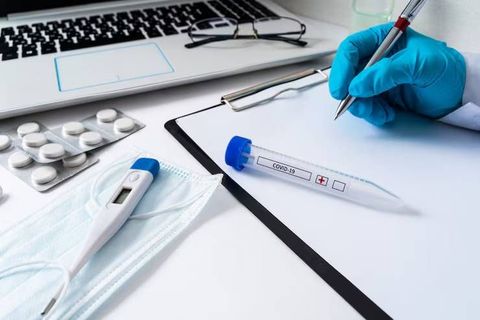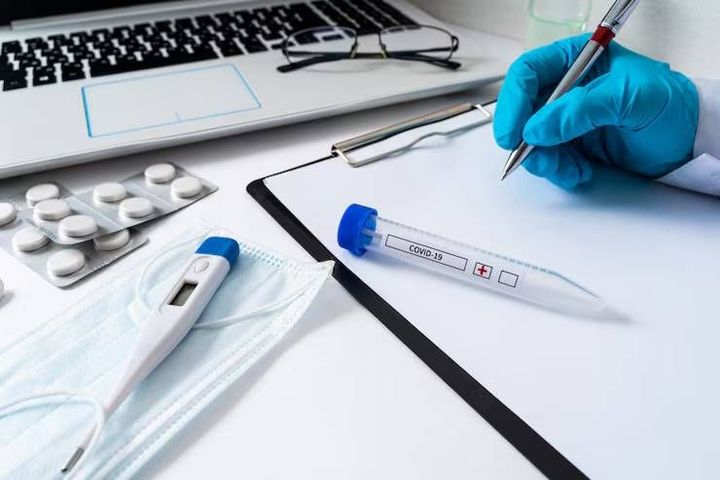
Diagnostic Kits Explained: Test Types, Diagnostic Technologies, Manufacturing Processes, Global Manufacturers, Suppliers and Medical Applications
Diagnostic kits are collections of reagents, testing materials, and instructions used to detect or measure specific biological substances associated with health conditions. Depending on their design, these kits can identify infectious organisms, measure hormones, detect antibodies, analyze blood components, or identify other markers in human samples. They are used in hospitals, diagnostic laboratories, clinics, research facilities, and selected home-testing settings.
Diagnostic kits play an important role in modern healthcare because laboratory testing helps healthcare professionals evaluate symptoms, monitor health conditions, and make informed clinical decisions. Some tests produce results within minutes, while others require specialized laboratory equipment and several hours or longer to complete.
The development of diagnostic kits combines biotechnology, analytical chemistry, immunology, molecular biology, and manufacturing engineering. Each kit is designed around a particular testing method, intended sample, and target substance. Its accuracy and suitability depend on the test design, manufacturing quality, storage conditions, and correct use.
What are the main components of a diagnostic kit?
A diagnostic kit may contain several components, depending on the testing technology and intended application.
Reagents: Chemicals, enzymes, antibodies, or other substances that enable a detectable reaction.
Sample collection materials: Swabs, collection tubes, lancets, or other items used to obtain a specimen when included in the kit.
Test devices: Strips, cartridges, reaction plates, or other components used to conduct the test.
Controls and calibrators: Materials used to assess test performance or establish measurement accuracy, depending on the test.
Instructions for use: Information about specimen handling, test procedures, result interpretation, and safety precautions.
Packaging: Containers and protective materials designed to preserve component stability during storage and transportation.
Not every kit contains all these components. For example, a laboratory reagent kit may require separate instruments and collection materials, whereas a rapid diagnostic kit may include a test device and a sample transfer component.
Common types of diagnostic kits
Diagnostic kits can be classified according to the biological target, testing method, or medical application.
Immunoassay kits detect substances such as hormones, proteins, antigens, or antibodies through specific biological binding reactions.
Molecular diagnostic kits detect genetic material, including DNA or RNA, associated with particular organisms or biological conditions.
Clinical chemistry kits measure substances such as glucose, enzymes, electrolytes, and other components in blood or urine.
Rapid diagnostic tests provide results within a relatively short period and may use lateral-flow, antigen-detection, or other methods.
Microbiology kits support the identification or analysis of microorganisms in clinical specimens.
Hematology reagents support the analysis of blood cells and related parameters when used with compatible laboratory analyzers.
The appropriate category depends on the target being measured and the purpose of the examination. Different methods have different performance characteristics and cannot automatically be substituted for one another.
Importance
Diagnostic kits help healthcare systems identify medical conditions, monitor disease progression, and evaluate responses to treatment. They are used in routine health examinations, infectious disease screening, emergency departments, blood banks, and specialized laboratories. The information they provide can support clinical decisions when interpreted alongside symptoms, medical history, and other findings.
Medical applications of diagnostic kits
Diagnostic kits are used across a wide range of healthcare settings.
Infectious disease testing: Detects antigens, antibodies, or genetic material associated with particular infections.
Diabetes monitoring: Measures blood glucose levels using compatible testing systems.
Hormone analysis: Helps measure hormones associated with thyroid function, reproductive health, and other physiological processes.
Cardiac testing: Measures selected markers that may help clinicians assess heart-related conditions.
Cancer-related testing: Identifies particular biomarkers that may contribute to screening, diagnosis, or monitoring, depending on the test.
Blood banking: Supports blood group identification and screening for specified infections.
Clinical research: Helps researchers measure biological markers and evaluate laboratory findings.
A diagnostic result does not always establish a diagnosis on its own. False-positive and false-negative results can occur, and some tests require confirmation through additional methods. Interpretation should account for the test's intended use, timing, and clinical context.
Rapid diagnostic kits and laboratory-based tests
Rapid diagnostic kits are designed to provide results without requiring the same laboratory workflow as many complex tests. Some use lateral-flow strips or small cartridges and are suitable for selected point-of-care settings. Their operating requirements vary, and certain rapid tests still require trained personnel or specialized equipment.
Laboratory-based diagnostic kits may use enzyme-linked immunosorbent assays (ELISA), polymerase chain reaction (PCR), chemiluminescence, or clinical chemistry methods. These approaches can support different measurement needs, but they may require controlled laboratory conditions, trained staff, and dedicated instruments.
Feature | Rapid diagnostic kits | Laboratory-based kits |
|---|---|---|
Testing location | Selected clinics, care settings, or homes | Diagnostic laboratories and equipped facilities |
Equipment | May require minimal or specialized portable equipment | Often requires dedicated analyzers or laboratory instruments |
Result time | Often minutes, depending on the test | May range from minutes to hours or longer |
Testing capacity | Often designed for individual or small-batch testing | Can support individual samples or larger batches |
Quality requirements | Appropriate controls and correct procedures | Validated procedures, instrument controls, and laboratory quality systems |
Neither category is universally suitable for every medical purpose. Test sensitivity, specificity, specimen requirements, and intended use determine which method is appropriate.
Challenges in diagnostic testing
Diagnostic testing depends on more than the test device itself. Specimen collection errors, unsuitable storage temperatures, expired reagents, incorrect procedures, and instrument problems can affect results.
Access and availability can also differ between urban hospitals, rural clinics, and remote communities. Manufacturers and healthcare facilities must consider storage stability, packaging, transport conditions, training, and the availability of compatible equipment. Clear instructions and quality-control procedures help reduce avoidable errors.
Recent Updates
Diagnostic technologies continue to develop through advances in molecular biology, miniaturized testing devices, automation, and laboratory data management. Recent work has focused on strengthening test validation, expanding domestic manufacturing capacity, and improving the consistency of diagnostic performance evaluation.
Developments in 2024–2026
One important area is the development of standardized evaluation protocols for in-vitro diagnostic medical devices. In India, the Central Drugs Standard Control Organisation (CDSCO) and the Indian Council of Medical Research (ICMR) have developed resources supporting diagnostic test evaluation and validation. The national IVD validation portal provides information about this process.
Another trend is the use of molecular testing and automated laboratory systems. PCR-based methods can detect specific genetic sequences, while automated analyzers can process multiple samples under controlled procedures. Digital systems also help laboratories manage specimen identification, test records, quality-control results, and reporting.
Manufacturers are continuing to develop compact testing formats and reagents designed for particular clinical settings. However, portability alone does not establish clinical accuracy. Every test must be evaluated according to its intended use and relevant performance requirements.
Manufacturing quality and product stability
Greater attention is being given to reagent stability, batch consistency, and performance evaluation. Diagnostic components can be sensitive to temperature, humidity, light, and contamination, making packaging and storage controls important throughout production and distribution.
CDSCO publishes guidance concerning in-vitro diagnostic devices, including information on performance evaluation, risk classification, and stability studies. These materials help manufacturers and other stakeholders understand the regulatory and technical considerations involved in diagnostic kit development.
Laws or Policies
Diagnostic kits are regulated because incorrect test results can affect medical decisions and patient safety. Requirements commonly address product classification, manufacturing controls, clinical performance, labeling, storage, and monitoring after a product enters the market. The exact rules depend on the country, the type of diagnostic test, and its intended application.
Diagnostic kit regulations in India
In India, in-vitro diagnostic medical devices are regulated under the Drugs and Cosmetics Act, 1940, and the Medical Devices Rules, 2017. CDSCO oversees relevant regulatory functions, with responsibilities divided between central and state licensing authorities according to the product category and activity.
IVD products are classified according to risk:
Class A: Low-risk diagnostic devices.
Class B: Low-to-moderate-risk diagnostic devices.
Class C: Moderate-to-high-risk diagnostic devices.
Class D: High-risk diagnostic devices.
The classification determines applicable regulatory requirements. Manufacturers and importers may need appropriate licences or permissions, technical documentation, and evidence supporting product performance. Requirements for a particular kit should be checked against the current rules and its classification.
Quality management and international standards
Diagnostic kit manufacturing involves several quality considerations, including raw material acceptance, production consistency, contamination prevention, and finished-product testing. ISO 13485 is an internationally recognized quality management standard for medical devices, including relevant diagnostic manufacturing activities.
Regulatory requirements can also address product labeling, intended use, storage conditions, expiry information, and instructions for use. Manufacturers must distinguish between tests intended for clinical diagnosis and products restricted to research applications, because their permitted uses and regulatory requirements may differ.
Tools and Resources
Diagnostic kit development and evaluation involve laboratory instruments, quality management systems, regulatory documentation, and testing resources. The appropriate tools depend on whether the activity involves research, manufacturing, performance evaluation, or routine clinical testing.
Common technologies used in diagnostic manufacturing
ELISA analyzers: Measure reactions used in enzyme-linked immunoassays.
PCR instruments: Amplify specific genetic material for molecular testing.
Lateral-flow test components: Support rapid tests that display a visible signal when the relevant reaction occurs.
Automated clinical chemistry analyzers: Measure selected substances in biological samples.
Laboratory information management systems (LIMS): Organize sample records, test data, and laboratory workflows.
Environmental monitoring equipment: Tracks conditions such as temperature and humidity in controlled production and storage areas.
Regulatory and technical resources
CDSCO provides regulatory information, guidance documents, and IVD classification resources for India. The ICMR diagnostic validation portal provides information about evaluation protocols and validation processes. These resources can help manufacturers and laboratory professionals understand applicable technical requirements.
Technical documentation commonly includes product specifications, manufacturing procedures, stability data, performance evaluation results, and quality-control records. Such documentation helps establish whether a diagnostic kit performs consistently under its specified conditions.
FAQs
What are diagnostic kits used for?
Diagnostic kits detect or measure specific biological substances in samples such as blood, urine, or swab specimens. They support medical testing, disease screening, health monitoring, and laboratory research.
What is the difference between rapid diagnostic kits and PCR kits?
Rapid diagnostic kits may detect antigens or antibodies through methods such as lateral-flow testing. PCR kits detect specific genetic material through amplification, generally using specialized instruments and controlled laboratory procedures.
How are diagnostic kits manufactured?
Manufacturing generally involves raw material preparation, reagent formulation, component assembly, packaging, quality-control testing, and stability evaluation. The exact process depends on the test technology and intended medical application.
Which regulations apply to diagnostic kit manufacturers in India?
The Drugs and Cosmetics Act, 1940, and Medical Devices Rules, 2017, provide the principal regulatory framework for IVD medical devices in India. Applicable licensing and evaluation requirements depend on the product's risk classification and intended use.
How is diagnostic kit quality evaluated?
Quality evaluation can include analytical performance testing, clinical performance evaluation where applicable, stability studies, batch consistency checks, and verification of labeling and instructions. The required procedures depend on the diagnostic method and relevant regulatory requirements.
Conclusion
Diagnostic kits support healthcare through the detection and measurement of biological markers, infectious agents, and other clinically relevant substances. Their technologies range from rapid test strips to molecular assays and automated laboratory systems. Manufacturing quality, product stability, performance evaluation, and regulatory compliance are essential considerations throughout the product lifecycle. The suitability of any diagnostic kit depends on its intended use, validated performance, and correct interpretation of results.
Disclaimer: The information provided in this article is for informational purposes only. We do not make any claims or guarantees regarding the accuracy, reliability, or completeness of the information presented. The content is not intended as professional advice and should not be relied upon as such. Readers are encouraged to conduct their own research and consult with appropriate professionals before making any decisions based on the information provided in this article.