Diamond Jewelry Explained: Types, Designs, Diamond Quality, Manufacturing Processes, Global Manufacturers, Suppliers and Jewellery Applications
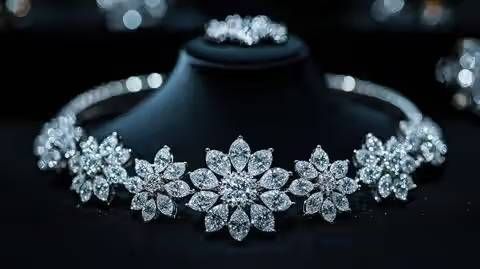
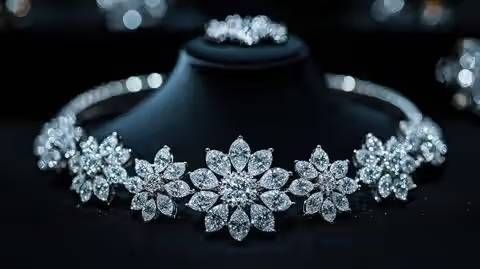
Diamond jewelry is an important segment of the global jewellery industry, combining precious gemstones, metal craftsmanship, decorative designs, and specialized manufacturing technologies. Diamond jewellery includes rings, necklaces, earrings, bracelets, pendants, and other ornaments designed for personal use, celebrations, weddings, and luxury accessories. Understanding diamond jewelry involves examining gemstone characteristics, jewellery designs, manufacturing processes, quality standards, and the commercial market for finished products.
The diamond jewellery industry includes natural diamonds, laboratory-grown diamonds, precious metal manufacturers, gemstone processing companies, jewellery designers, wholesalers, retailers, and international distribution networks. Technological developments in diamond cutting, polishing, gemstone identification, computer-aided design, and automated manufacturing have changed how jewellery products are developed and evaluated. Different diamond grades, metal combinations, settings, and design approaches influence the appearance and technical characteristics of finished jewellery.
This guide explores diamond jewellery types, popular designs, diamond quality factors, manufacturing processes, global manufacturers, suppliers, industry technologies, and commercial applications. It also explains gemstone certification, precious metal considerations, industry regulations, and important factors involved in evaluating diamond jewellery products.
Understanding the Diamond Jewelry Industry
Diamond jewelry refers to decorative products incorporating natural or laboratory-grown diamonds set into precious metals such as gold, platinum, and silver. Diamonds are valued for their hardness, optical properties, brilliance, and suitability for different jewellery designs.
Natural diamonds form deep within the Earth under high-pressure and high-temperature conditions over geological periods. Laboratory-grown diamonds are produced using specialized industrial processes that replicate the conditions required for diamond crystal growth.
Both categories consist of crystalline carbon and have essentially the same chemical composition and crystal structure. However, their origins, production methods, market positioning, and identification characteristics differ.
The diamond jewellery supply chain includes gemstone mining or production, rough diamond processing, cutting, polishing, grading, jewellery manufacturing, wholesale distribution, and retail operations.
Main Types of Diamond Jewelry
Diamond jewellery is available in different product categories, each serving particular decorative, cultural, and personal requirements.
Diamond Rings
Diamond rings are widely used for engagement ceremonies, weddings, anniversaries, and everyday jewellery. They are manufactured in different styles, including solitaire, halo, three-stone, eternity, and cluster designs.
A solitaire diamond ring generally features one central gemstone, while halo designs surround the main diamond with smaller stones. Three-stone rings incorporate three prominent diamonds, often representing different symbolic meanings.
Ring manufacturing involves gemstone selection, metal shaping, setting preparation, polishing, and final quality inspection.
Diamond Necklaces and Pendants
Diamond necklaces and pendants combine gemstones with chains, decorative metal structures, and suspension settings. Designs range from simple single-diamond pendants to elaborate multi-stone necklaces.
Common categories include tennis necklaces, solitaire pendants, diamond station necklaces, and traditional decorative jewellery.
Their construction depends on gemstone size, metal selection, chain design, and setting arrangements.
Diamond Earrings
Diamond earrings include studs, hoops, drops, chandeliers, and other decorative styles. Stud earrings generally feature individual gemstones mounted in metal settings, whereas drop earrings incorporate hanging decorative elements.
Diamond earrings may use round brilliant, princess, oval, pear, and other gemstone shapes.
Diamond Bracelets
Diamond bracelets include tennis bracelets, bangles, link bracelets, and flexible chain designs. Tennis bracelets typically contain a continuous arrangement of diamonds held within individual metal settings.
Manufacturing requires careful attention to gemstone alignment, joint strength, flexibility, and fastening mechanisms.
Diamond Bridal and Wedding Jewellery
Bridal jewellery includes engagement rings, wedding bands, necklaces, earrings, and coordinated decorative sets. These products may combine diamonds with yellow gold, white gold, rose gold, or platinum.
Design considerations include gemstone arrangement, metal compatibility, comfort, durability, and cultural preferences.
Diamond Quality and the Four Cs
Diamond quality is commonly evaluated through four characteristics known as the Four Cs: cut, colour, clarity, and carat weight.
Diamond Cut
Cut describes how effectively a diamond's proportions, symmetry, and polish interact with light. A well-executed cut can influence brilliance, fire, and visual appearance.
Common diamond shapes include:
Round brilliant.
Princess.
Oval.
Emerald.
Cushion.
Pear.
Marquise.
Radiant.
Diamond shape and cut quality are related but different concepts. Shape describes the outline of a gemstone, while cut quality evaluates its proportions and optical performance.
Diamond Colour
Diamond colour grading generally evaluates the absence of colour in transparent white diamonds. The widely used grading scale ranges from D, representing colourless diamonds, through progressively more noticeable colour grades.
Fancy-colour diamonds, including yellow, pink, blue, and other naturally coloured varieties, are assessed using different colour descriptions and grading considerations.
Diamond Clarity
Clarity refers to internal characteristics called inclusions and external features called blemishes. These characteristics develop during natural diamond formation or may arise during processing.
Common clarity grades include:
| Grade | General description |
|---|---|
| FL | Flawless |
| IF | Internally flawless |
| VVS1 and VVS2 | Very, very slightly included |
| VS1 and VS2 | Very slightly included |
| SI1 and SI2 | Slightly included |
| I1, I2 and I3 | Included |
The visibility, location, and nature of clarity characteristics influence how a gemstone is evaluated.
Diamond Carat Weight
Carat measures diamond weight rather than physical dimensions. One carat equals 200 milligrams.
Two diamonds with identical carat weights can have different visible sizes depending on their proportions, shape, and cutting arrangement.
Popular Diamond Jewelry Designs and Metal Categories
Jewellery design combines gemstone characteristics, metal properties, manufacturing methods, and decorative preferences.
Common precious metal categories include:
Yellow gold: A traditional jewellery metal available in different purity levels.
White gold: Gold alloyed with other metals to produce a lighter appearance, sometimes finished with rhodium plating.
Rose gold: A gold alloy containing copper, which contributes to its pinkish colour.
Platinum: A dense precious metal commonly used in fine jewellery settings.
Silver: A widely used jewellery metal, although it is generally less expensive than gold and platinum.
Diamond settings also influence jewellery appearance and gemstone security.
Prong settings hold a gemstone using small metal supports, while bezel settings surround its outer edge with metal. Channel settings position multiple diamonds between parallel metal walls, and pavé settings use numerous small stones placed closely together.
Diamond Jewelry Manufacturing Process
Diamond jewellery manufacturing involves several stages, from design development to final product inspection.
Jewellery Design and Computer-Aided Design
Jewellery designers prepare product concepts using sketches, technical drawings, and computer-aided design (CAD) software.
Three-dimensional CAD models help manufacturers examine gemstone positioning, metal thickness, dimensions, and structural arrangements before production.
Wax Modelling and Casting
A wax model or digitally produced pattern is used to develop the jewellery structure. In investment casting, the pattern is surrounded by a mould material, after which the wax is removed and molten metal is introduced.
The resulting metal structure forms the basic jewellery component.
Diamond Cutting and Polishing
Loose diamonds are processed through planning, cleaving or sawing where appropriate, shaping, faceting, and polishing.
Precision cutting equipment and optical measurement technologies help control gemstone proportions and facet arrangements.
Gemstone Setting
Jewellery setters position diamonds within prepared metal settings. Techniques include prong, bezel, channel, pavé, and tension settings.
The process requires precision because incorrect positioning or inadequate metal support can affect gemstone security and finished appearance.
Finishing and Quality Inspection
Finished jewellery undergoes polishing, cleaning, dimensional inspection, setting examination, and metal-quality verification.
Manufacturers may also conduct gemstone identification and grading checks to confirm that product descriptions correspond with the supplied materials.
Global Diamond Jewelry Manufacturers and Suppliers
The diamond jewellery market includes international luxury jewellery houses, diamond cutting and polishing companies, jewellery manufacturers, gemstone wholesalers, and regional suppliers.
Recognized companies and brands operating in the broader diamond jewellery industry include:
De Beers Group: Involved in diamond production, trading, and diamond-related industry operations.
Signet Jewelers: An international jewellery retailer operating several jewellery brands and product categories.
Pandora: A jewellery company with a broad portfolio of decorative jewellery products, including selected diamond collections.
Tiffany & Co.: An established luxury jewellery brand associated with diamond jewellery, engagement rings, and precious metal designs.
Chow Tai Fook: A major jewellery group involved in gold, gemstone, and diamond jewellery businesses.
Kalyan Jewellers: An Indian jewellery company offering diamond, gold, and other precious jewellery categories.
Malabar Gold & Diamonds: An international jewellery retailer with diamond and precious metal collections.
The manufacturing supply chain also includes independent diamond cutters, gemstone grading laboratories, jewellery casting companies, metal suppliers, setting specialists, and wholesale distributors.
Businesses evaluating diamond jewellery manufacturers and suppliers generally consider product specifications, gemstone origin documentation, metal purity, manufacturing quality, design capabilities, certification arrangements, and distribution terms.
Diamond Certification and Quality Standards
Independent gemstone grading laboratories provide diamond identification and grading reports. Such documentation may describe carat weight, colour, clarity, cut characteristics, measurements, and other relevant features.
Internationally recognized laboratories include the Gemological Institute of America (GIA), International Gemological Institute (IGI), and HRD Antwerp.
Laboratory reports differ in scope and methodology. Buyers and jewellery businesses should examine the issuing laboratory, report number, grading information, and whether the document corresponds to the actual gemstone.
In India, the Bureau of Indian Standards (BIS) administers hallmarking arrangements for precious metal jewellery. Gold and platinum purity marking requirements should be distinguished from diamond grading reports, which assess gemstone characteristics rather than precious metal purity.
Industry Developments During 2024–2026
The diamond jewellery industry continues to experience changes in gemstone production, consumer preferences, manufacturing technologies, and supply-chain transparency.
Laboratory-Grown Diamond Technology
Laboratory-grown diamonds are produced mainly through High Pressure High Temperature (HPHT) and Chemical Vapour Deposition (CVD) technologies.
These methods create diamond crystals in controlled industrial environments. Laboratory-grown stones are increasingly incorporated into jewellery collections, although their market positioning and resale considerations differ from natural diamonds.
Digital Jewellery Design and Manufacturing
CAD modelling, computer-controlled cutting equipment, laser technologies, and digital inventory systems are changing jewellery production.
These technologies support detailed design development, gemstone planning, product customization, and manufacturing coordination.
Traceability and Responsible Sourcing
Diamond supply chains increasingly emphasize origin documentation, responsible sourcing, and material traceability.
The Kimberley Process Certification Scheme provides an international framework intended to restrict trade in conflict diamonds as defined by its rules. It does not independently certify every aspect of a diamond's ethical, environmental, or labour conditions.
Important Factors When Evaluating Diamond Jewelry
Evaluating diamond jewellery involves several gemstone, manufacturing, and commercial considerations.
Gemstone quality: Examine cut, colour, clarity, carat weight, and available grading documentation.
Metal purity: Check gold karat markings or applicable platinum purity information.
Design and setting: Consider gemstone security, metal construction, comfort, and suitability for regular use.
Certification: Confirm that laboratory reports match the gemstone being evaluated.
Manufacturing quality: Examine polishing, symmetry, fastening mechanisms, setting alignment, and finishing.
Commercial considerations: Review product specifications, making charges, gemstone valuation, applicable taxes, warranty conditions, and return arrangements.
Natural versus laboratory-grown diamonds: Understand differences in origin, identification, market positioning, and resale considerations.
Applications of Diamond Jewelry
Diamond jewellery serves several personal, cultural, and commercial purposes.
Engagement jewellery: Solitaire and multi-stone rings used for engagement ceremonies.
Wedding jewellery: Diamond bands, necklaces, earrings, and coordinated bridal sets.
Fashion jewellery: Decorative rings, pendants, bracelets, and earrings.
Luxury accessories: High-value jewellery collections incorporating precious metals and gemstones.
Anniversary jewellery: Special occasion products featuring selected diamond designs.
Custom jewellery: Individually developed pieces based on gemstone specifications and design preferences.
Frequently Asked Questions
What are the main types of diamond jewelry?
The main categories include diamond rings, necklaces, pendants, earrings, bracelets, wedding bands, and bridal jewellery. Each category has different design structures, gemstone arrangements, and metal settings.
What are the Four Cs of diamond quality?
The Four Cs are cut, colour, clarity, and carat weight. These characteristics help describe a diamond's physical and optical properties and provide a common framework for gemstone evaluation.
What is the difference between natural and laboratory-grown diamonds?
Natural diamonds form through geological processes within the Earth, whereas laboratory-grown diamonds are produced using HPHT or CVD technologies. Both consist of crystalline carbon, but their origins and commercial market characteristics differ.
Which metals are commonly used in diamond jewellery manufacturing?
Gold, white gold, rose gold, platinum, and silver are commonly used. Metal selection depends on design requirements, purity, durability, appearance, and manufacturing considerations.
Why is diamond certification important?
Diamond grading documentation provides information about gemstone characteristics such as weight, colour, clarity, and cut. It helps jewellery businesses and consumers evaluate product specifications and verify gemstone identification.
Conclusion
Diamond jewellery combines gemstone quality, precious metal craftsmanship, design technologies, and specialized manufacturing processes. Its major categories include rings, necklaces, earrings, bracelets, and bridal jewellery, with product characteristics influenced by diamond grading and metal selection. Laboratory-grown diamonds, digital manufacturing, and supply-chain traceability continue to shape the industry. Understanding certification, manufacturing quality, supplier arrangements, and commercial evaluation factors provides a useful foundation for examining the global diamond jewellery market.