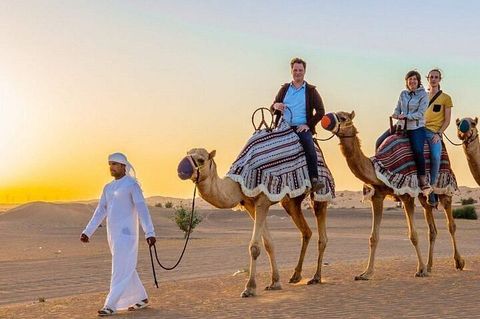
Exploring the Wonders of a Dubai Desert Safari: A Comprehensive Educational Guide
A desert safari in Dubai is one of the most widely discussed activities among travelers visiting the United Arab Emirates.
While it is often highlighted in travel conversations, its popularity sometimes leads to mixed expectations. This guide provides a structured, simple, and educational overview for readers who want to understand what a Dubai desert safari truly involves, what to consider before choosing one, and how to get the most value from the experience. The goal is to help users make informed decisions without promotional bias.
Introduction: Context and Relevance
Dubai has developed into a global tourism hub known for architectural achievements, luxury shopping, and modern infrastructure. Yet, just outside the city, the natural desert landscape remains a significant part of the region’s cultural identity. Desert safaris emerged as a way for visitors to explore this environment, understand traditional Bedouin elements, and observe the open landscapes that shaped the UAE’s early lifestyle.
Many travelers are curious about what a desert safari involves, what the different options mean, and whether it is suitable for their preferences. This guide presents factual, organized information to help readers understand the activity from an educational standpoint.
Benefits and Limitations of a Dubai Desert Safari
Benefits
-
Exposure to natural landscapes: The safari allows visitors to see the Arabian desert’s vast dunes and unique ecology.
-
Cultural learning: Many tours include elements like traditional music, local foods, falconry demonstrations, and historical insights.
-
Recreation and outdoor experience: Activities such as dune drives, camel rides, sandboarding, and stargazing offer a variety of experiences.
-
Photography opportunities: The desert environment provides open, unobstructed scenery during sunrise or sunset.
Limitations
-
Physical intensity: Dune driving can be bumpy, and some individuals may experience motion discomfort.
-
Weather conditions: High heat in summer months can make the experience challenging.
-
Crowd variation: Popularity can lead to busy camps during peak season.
-
Environmental concerns: Motorized activities can impact local habitats if not managed responsibly.
Understanding these positives and challenges helps readers decide whether a desert safari aligns with their expectations and comfort level.
Types of Dubai Desert Safaris
Desert safaris are usually categorized based on time, activities, and travel style. Below are the main types:
1. Morning Desert Safari
-
Typically shorter in duration.
-
Focuses on dune driving, sandboarding, and photography.
-
Suitable for visitors with tight schedules or those avoiding evening crowds.
2. Evening Desert Safari
-
The most commonly booked option.
-
Includes sunset viewing followed by cultural programs, dinner, and camp activities.
-
Offers a broader mix of experiences.
3. Overnight Desert Safari
-
Similar to the evening safari but includes an overnight stay in desert-style tents.
-
Ideal for those wanting a deeper exposure to the desert environment.
4. Private Desert Safari
-
Activities are customized for private groups or families.
-
Usually preferred by those seeking a quieter or more flexible itinerary.
5. Adventure-Focused Safaris
-
Includes quad biking, dune buggy driving, or extended dune experiences.
-
Suitable for users seeking a more active outing, though often not recommended for young children.
6. Eco or Educational Safaris
-
Focus on wildlife, conservation, and learning about flora and fauna.
-
Often conducted in protected areas with trained conservation guides.
Each type meets different user needs, so defining priorities before choosing is essential.
Latest Trends and Innovations in Desert Safaris
The desert safari industry in Dubai continues to evolve. Some recent trends include:
-
Sustainability-focused experiences: More operators are transitioning to eco-friendly practices, including low-impact vehicles and conservation programs.
-
Electric off-road vehicles: Although still emerging, some tours are experimenting with hybrid or electric desert transportation.
-
Stargazing programs with expert guides: Astronomy sessions are becoming more common due to the desert’s dark sky conditions.
-
Smaller-group tours: Designed to offer a more peaceful and educational experience.
-
Digital convenience: Online booking, itinerary previews, and real-time updates for weather conditions.
These innovations help improve user experience while reducing environmental impact.
Key Features to Consider Before Booking
Choosing the right desert safari depends on what you value most. Consider the following factors:
1. Duration
Morning tours may last 3 to 4 hours, while evening and overnight options extend longer. Short trips are suitable for time-limited schedules, while extended tours offer more depth.
2. Activity Level
Determine whether you want mild activities or adventure-focused components like dune bashing or quad biking.
3. Comfort Level
Some camps offer basic seating and simple meals, while others provide more comfortable arrangements. This does not necessarily indicate quality but affects overall experience.
4. Group Size
Smaller groups may allow more personalized guidance and lower noise levels.
5. Safety Standards
Reputable tours follow clear safety guidelines for vehicle operation, animal handling, and camp activities.
6. Season and Weather
Winter months (October to March) are more comfortable for outdoor activities. Summer tours may adjust timings to avoid midday heat.
7. Cultural Elements
Some travellers value traditional performances or food sampling, while others prioritize nature and tranquility.
These considerations help align expectations with the offered experience.
Comparison Table: Types of Safaris at a Glance
| Safari Type | Duration | Best For | Typical Activities | Considerations |
|---|---|---|---|---|
| Morning Safari | 3–4 hours | Short schedules | Dune driving, sandboarding | Limited cultural activities |
| Evening Safari | 6–7 hours | Balanced experience | Sunset, dinner, shows | Higher visitor volume |
| Overnight Safari | 12–16 hours | Deeper immersion | Camping, sunrise viewing | Cooler night temperatures |
| Private Safari | Flexible | Families, small groups | Custom itinerary | Higher cost |
| Adventure Safari | Varies | Thrill-seekers | Quad biking, dune buggy | Not ideal for all ages |
| Eco Safari | 4–6 hours | Nature-focused users | Wildlife, conservation | Limited adventure activities |
Top Companies or Solutions (Public Sources Only)
Below is a neutral, informational overview of well-known operators that publicly publish their services. These are not recommendations, only references for user research.
1. Platinum Heritage
Website: platinum-heritage.com
Known for nature-focused and conservation-style safaris using classic vehicles.
2. Arabian Adventures
Website: arabian-adventures.com
A long-established provider offering various safari types with emphasis on safety and structure.
3. Desert Safari Dubai
Website: desertsafaridubai.com
Offers common evening and adventure-style tours with multiple categories.
4. OceanAir Travels
Website: oceanairtravels.com
Provides desert activities and cultural programs with a broad selection.
5. Rayna Tours
Website: raynatours.com
Includes desert safari packages as part of a wider travel service lineup.
These companies are listed because they have publicly available information and are frequently referenced in user research.
Users should independently verify details and compare based on needs.
Comparison Table: Example Features Across Popular Operators
| Operator | Safari Focus | Group Size Options | Eco or Education Programs | Adventure Activities |
|---|---|---|---|---|
| Platinum Heritage | Conservation, heritage | Small groups | Yes | Limited |
| Arabian Adventures | Balanced experiences | Small and medium | Some options | Standard |
| OceanAir Travels | Cultural and mixed activities | Medium groups | Not primary | Yes |
| Rayna Tours | Classic evening safaris | Larger groups | No | Yes |
| Desert Safari Dubai | Common multi-activity tours | Varies | No | Yes |
This table is for educational comparison only. Actual offerings may vary.
How to Choose the Right Desert Safari
Selecting the best option depends on aligning your interests with what each safari provides. The steps below can help simplify the decision:
1. Define Your Purpose
Are you seeking relaxation, learning, adventure, or photography? This influences whether you select an eco, adventure, or evening experience.
2. Set a Comfort Preference
If you prefer calm settings, choose smaller groups or private options. If you enjoy cultural programs, consider evening or overnight safaris.
3. Consider Health or Physical Needs
Individuals with motion sensitivity, back issues, or heat intolerance should avoid intense dune driving and select gentle or eco-style tours.
4. Compare Inclusions Carefully
Check details such as transportation type, meal options, duration, and available facilities.
5. Read Public Reviews Thoughtfully
Focus on consistent patterns rather than isolated opinions. Look for comments about safety, organization, and clarity.
6. Review Environmental Practices
If sustainability matters to you, search for operators using low-impact vehicles or conservation-based programs.
Checklist Before Booking
General
-
Identify preferred type of safari.
-
Compare duration and starting time.
-
Check group size.
-
Verify transportation type.
-
Confirm included activities.
Comfort and Safety
-
Ask about seat belts and vehicle standards.
-
Understand activity intensity.
-
Check the availability of shade and water.
-
Consider seasonal temperatures.
Cultural and Educational Aspects
-
Review whether the tour includes heritage explanations.
-
Confirm wildlife or nature guides on eco tours.
-
Check the authenticity of cultural programs if that matters to you.
Tips for Best Use or Maintenance of the Experience
Though a desert safari is a short-term activity, careful preparation enhances overall comfort and enjoyment.
1. Dress Appropriately
Wear breathable clothing and closed shoes suitable for sand. Evening temperatures may drop, so a light layer helps.
2. Stay Hydrated
The desert climate can be dehydrating. Ensure access to water throughout the journey.
3. Protect Yourself from Sun Exposure
Use hats, sunglasses, and sunscreen, especially during morning or afternoon tours.
4. Secure Cameras and Devices
Sand can disrupt electronics. Use protective covers and avoid placing devices directly on the ground.
5. Follow Safety Instructions
Guides are trained for desert conditions. Following instructions is essential for safe dune navigation and wildlife encounters.
6. Manage Expectations
A safari is an outdoor experience with natural variables such as wind, heat, and shifting sands.
Frequently Asked Questions
1. Is a Dubai desert safari suitable for children?
Most standard safaris allow children, but intense dune driving may not be recommended for younger kids. Eco or private options often work better for families.
2. What is the best time of year to go?
The cooler months from October to March are usually more comfortable, especially for longer or evening safaris.
3. Can travelers with health conditions participate?
Those with back, neck, or motion-related issues should avoid high-impact activities. Many operators offer gentler tours.
4. Are vegetarian or specific dietary meals available?
Some tours offer multiple meal choices, but this varies. It is important to check the inclusions beforehand.
5. How long does a typical safari last?
Morning tours last around 3 to 4 hours, while evening tours take 6 to 7 hours. Overnight options extend through the night.
6. Is it safe to bring cameras or mobile phones?
Yes, but equipment should be protected from sand exposure. Carrying a small protective pouch helps.
7. Do all safaris include camel rides?
Not always. Camel rides may be included but often limited in duration. Check the specific program.
Conclusion: Reflective Takeaway
A Dubai desert safari can be a meaningful way to explore one of the region’s most significant natural landscapes. When approached with realistic expectations and thoughtful planning, it offers insight into local culture, desert ecology, and outdoor exploration. This guide aims to provide straightforward, factual information to help readers make informed choices based on their preferences, safety needs, and interests. Understanding the different types, features, and practical considerations enables a more comfortable and educational experience, allowing travelers to engage with the desert environment respectfully and meaningfully.