A Clear and Practical Guide to High-Speed Data Transmission
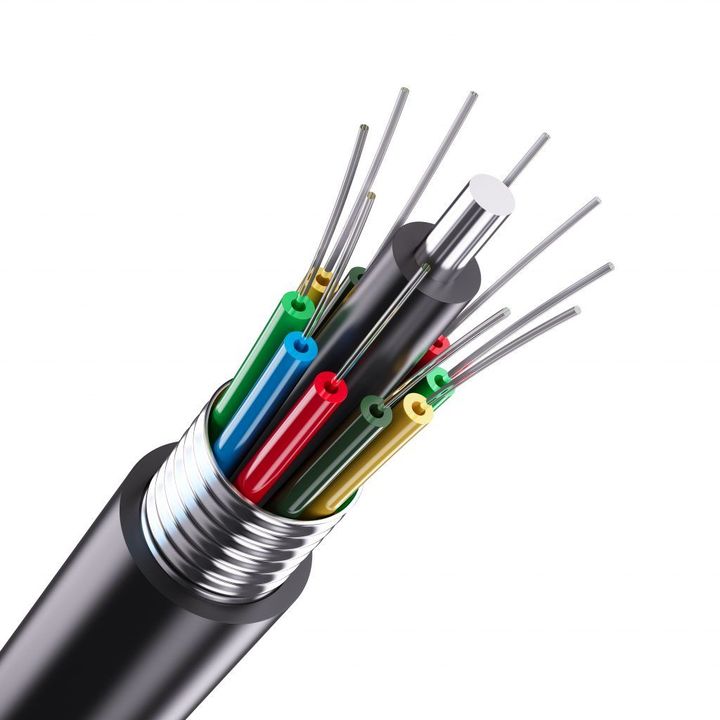
Fiber optic cables form the backbone of modern communication networks. From high-speed internet and mobile networks to data centers, cloud services, healthcare systems, and smart cities, fiber optics enable fast, reliable transmission of large amounts of data over long distances. Unlike traditional copper cables that transmit electrical signals, fiber optic cables use light to carry information. This fundamental difference allows fiber optics to achieve higher speeds, lower signal loss, and greater resistance to interference. As digital demands continue to grow worldwide, fiber optic infrastructure plays a crucial role in supporting connectivity, innovation, and economic development. This guide explains fiber optic cables in a simple, user-focused way. It covers benefits and limitations, types and categories, recent innovations, key features to consider, leading companies and solutions, selection guidance, best-use and maintenance tips, common questions, and a practical conclusion.
Benefits of Fiber Optic Cables
1. High Data Transmission Speed
Fiber optic cables support significantly higher data rates than copper cables, making them suitable for modern internet, streaming, and enterprise networks.
2. Long-Distance Signal Transmission
Fiber optics experience minimal signal loss, allowing data to travel long distances without frequent signal boosting.
3. Resistance to Electromagnetic Interference
Because fiber optics transmit light rather than electricity, they are immune to electromagnetic and radio frequency interference.
4. Greater Bandwidth Capacity
Fiber cables can carry more data simultaneously, supporting growing network traffic and future expansion.
5. Improved Security
Intercepting data from fiber cables is more difficult than from copper cables, making them more secure for sensitive communications.
6. Lightweight and Compact Design
Fiber cables are thinner and lighter than many copper alternatives, making installation easier in dense environments.
Limitations of Fiber Optic Cables
1. Higher Initial Installation Cost
Fiber optic systems often have higher upfront costs due to materials, specialized equipment, and skilled labor.
2. Fragility Compared to Copper
Fiber cables are made of glass or plastic and can be damaged by excessive bending or improper handling.
3. Specialized Installation and Repair
Installing and repairing fiber optics requires trained technicians and specific tools.
4. Power Transmission Limitation
Fiber optic cables cannot carry electrical power, requiring separate power solutions for connected devices.
5. Compatibility Challenges
Older network infrastructure may need upgrades to support fiber optic connections.
Types and Categories of Fiber Optic Cables
1. Single-Mode Fiber (SMF)
Single-mode fiber uses a small core diameter to transmit light in a single path.
Best suited for:
• Long-distance communication
• Telecommunications networks
• Internet backbone infrastructure
2. Multi-Mode Fiber (MMF)
Multi-mode fiber has a larger core and allows multiple light paths.
Best suited for:
• Short to medium distances
• Data centers
• Local area networks (LANs)
3. Plastic Optical Fiber (POF)
Uses plastic rather than glass for the core.
Best suited for:
• Short-distance communication
• Consumer electronics
• Automotive systems
4. Indoor Fiber Cables
Designed for use inside buildings with fire-resistant jackets.
5. Outdoor Fiber Cables
Built to withstand moisture, temperature changes, and environmental exposure.
6. Armored Fiber Cables
Include protective layers to resist physical damage, rodents, or heavy impact.
7. Aerial Fiber Cables
Installed on poles and designed to handle wind, weather, and tension.
8. Submarine Fiber Cables
Laid underwater to connect countries and continents.
Comparison Table: Common Fiber Optic Cable Types
| Fiber Type | Core Size | Distance Capability | Typical Use |
|---|---|---|---|
| Single-Mode Fiber | Small | Very long | Telecom, backbone networks |
| Multi-Mode Fiber | Larger | Short to medium | Data centers, LANs |
| Plastic Optical Fiber | Large | Short | Consumer and automotive |
| Indoor Fiber | Varies | Short to medium | Buildings |
| Outdoor Fiber | Varies | Medium to long | Campus and metro networks |
| Armored Fiber | Varies | Medium to long | Industrial environments |
| Submarine Fiber | Small | Extremely long | International connectivity |
Latest Trends and Innovations in Fiber Optic Technology
1. Fiber to the Home (FTTH) Expansion
Many regions are expanding fiber connections directly to homes to support high-speed broadband.
2. Higher-Capacity Fiber Designs
Advancements in fiber materials and structure allow more data to be transmitted through a single fiber.
3. Bend-Insensitive Fiber
New fiber designs reduce signal loss when cables are bent, improving reliability in tight spaces.
4. Dense Wavelength Division Multiplexing (DWDM)
DWDM technology allows multiple data signals to travel simultaneously over a single fiber, increasing capacity.
5. Smart Fiber Monitoring
Integrated sensors and monitoring tools help detect faults, degradation, or unauthorized access.
6. Sustainable Manufacturing Practices
Manufacturers are adopting eco-friendly materials and energy-efficient production methods.
7. Integration with 5G and Cloud Networks
Fiber optics support the backhaul and core infrastructure needed for 5G and cloud computing.
Key Features to Consider When Evaluating Fiber Optic Cables
1. Core and Cladding Specifications
Core size affects distance and bandwidth. Cladding quality influences signal containment.
2. Transmission Distance Requirements
Choose fiber types based on how far data needs to travel without amplification.
3. Bandwidth and Speed Needs
Higher bandwidth supports future scalability and data growth.
4. Environmental Conditions
Indoor, outdoor, or industrial environments require different cable jackets and protections.
5. Installation Method
Consider whether cables will be buried, aerial, or routed through conduits.
6. Connector and Compatibility Standards
Ensure compatibility with existing network hardware and connectors.
7. Durability and Protection
Armoring, moisture resistance, and bend tolerance affect long-term performance.
8. Maintenance and Support Availability
Access to technical support and replacement parts can reduce downtime.
Leading Fiber Optic Cable Manufacturers and Public Information Sources
The following companies are well known for fiber optic cables and related solutions. These links provide publicly accessible technical and educational resources and are not endorsements.
| Company | Known For | Public Link |
|---|---|---|
| Corning | Fiber optic cable innovation | https://www.corning.com |
| Prysmian Group | Telecom and energy cables | https://www.prysmiangroup.com |
| CommScope | Network infrastructure solutions | https://www.commscope.com |
| OFS Fitel | Optical fiber and cable systems | https://www.ofsoptics.com |
| Furukawa Electric | Fiber optic technology | https://www.furukawaelectric.com |
| Sumitomo Electric | Optical fiber and components | https://sumitomoelectric.com |
| Nexans | Fiber and data cable solutions | https://www.nexans.com |
How to Choose the Right Fiber Optic Cable
Step 1: Define the Application
Identify whether the use case is residential internet, enterprise networking, industrial communication, or long-distance transmission.
Step 2: Determine Distance Requirements
Long-distance applications generally require single-mode fiber, while shorter distances may use multi-mode fiber.
Step 3: Evaluate Bandwidth Needs
Plan for current data usage and future growth to avoid early replacement.
Step 4: Assess Installation Environment
Choose indoor, outdoor, armored, or specialty cables based on exposure and physical risks.
Step 5: Check Equipment Compatibility
Ensure compatibility with transceivers, switches, and connectors.
Step 6: Review Compliance and Standards
Confirm adherence to local and international cabling standards.
Step 7: Balance Cost and Performance
Higher-quality cables may cost more initially but reduce long-term maintenance and upgrades.
Selection Checklist for Fiber Optic Cables
[ ] Application defined
[ ] Required transmission distance identified
[ ] Fiber type selected (single-mode or multi-mode)
[ ] Bandwidth requirements assessed
[ ] Installation environment evaluated
[ ] Cable protection level confirmed
[ ] Connector compatibility checked
[ ] Compliance with standards verified
[ ] Maintenance and support availability reviewed
[ ] Budget aligned with performance needs
Tips for Best Use and Maintenance of Fiber Optic Cables
1. Handle with Care
Avoid excessive bending, pulling, or twisting during installation.
2. Maintain Clean Connectors
Dust and debris can significantly affect signal quality.
3. Use Proper Installation Tools
Specialized tools reduce the risk of damage during termination or splicing.
4. Label and Document Cables
Clear labeling simplifies troubleshooting and future expansion.
5. Monitor Performance Regularly
Use testing tools to detect signal loss or degradation early.
6. Protect Against Environmental Damage
Ensure proper sealing and grounding for outdoor or industrial installations.
7. Plan for Scalability
Install extra fibers where possible to accommodate future needs.
FAQs About Fiber Optic Cables
1. How fast are fiber optic cables?
Fiber optics can support extremely high speeds, often exceeding gigabits per second depending on equipment.
2. Are fiber optic cables better than copper?
For speed, distance, and interference resistance, fiber is generally superior, though copper may still be suitable for short distances.
3. Can fiber optic cables be used in homes?
Yes. Fiber-to-the-home connections are increasingly common for high-speed internet.
4. Do fiber optic cables require special maintenance?
They require minimal maintenance but benefit from periodic inspection and cleaning.
5. Are fiber optic cables safe?
Yes. They do not carry electricity and are safe when handled properly.
6. Can fiber optic cables break easily?
They are more delicate than copper but are durable when installed and protected correctly.
7. How long do fiber optic cables last?
Properly installed fiber optic cables can last 20–30 years or more.
Conclusion: A Practical Takeaway
Fiber optic cables are a critical component of modern communication infrastructure. Their ability to transmit large volumes of data at high speed over long distances makes them essential for internet connectivity, cloud services, mobile networks, and emerging technologies. While they require careful handling and higher initial investment, their long-term performance, scalability, and reliability offer significant advantages.
By understanding the types of fiber optic cables, key features, innovations, and best-use practices outlined in this guide, users can make informed decisions that align with current needs and future growth. Whether for residential, commercial, or industrial use, fiber optic cables provide a robust foundation for a connected world.