A Clear and Practical Guide to Precision Alignment in Pipe and Drainage Work
Pipe lasers are specialized tools used to align pipes accurately during underground construction and drainage projects. They are commonly used in sewer installation, stormwater systems, water pipelines, and other gravity-flow or pressure-based piping applications. By projecting a precise laser beam along the intended pipe path, these devices help ensure correct slope, direction, and alignment. Accurate pipe alignment is critical for system performance. Even small errors in slope or direction can cause poor drainage, blockages, or long-term maintenance problems. Pipe lasers help reduce these risks by providing a clear, repeatable reference during installation. As construction standards become more demanding and project timelines tighter, pipe lasers have become an essential part of modern civil and utility work. This guide explains pipe lasers in a simple, user-focused way. It covers benefits, limitations, types, recent innovations, key features, leading manufacturers, selection guidance, best-use tips, common questions, and practical takeaways.
Benefits of Pipe Lasers
1. High Alignment Accuracy
Pipe lasers provide precise control over line and grade, which is essential for gravity-fed systems such as sewer and drainage lines.
2. Faster Installation
By giving installers a constant visual reference, pipe lasers reduce the need for repeated manual measurements, speeding up the installation process.
3. Reduced Rework
Accurate initial alignment helps prevent costly corrections caused by misaligned or incorrectly sloped pipes.
4. Improved System Performance
Correct slope and direction support smooth flow, reducing the risk of clogs, standing water, or structural stress.
5. Suitable for Confined Spaces
Pipe lasers are designed to fit inside pipes or manholes, making them effective in narrow trenches or underground environments.
6. Consistent Results Across Crews
Using a laser reference helps ensure consistent installation quality, even when multiple teams are involved.
Limitations of Pipe Lasers
1. Initial Equipment Cost
Pipe lasers can be expensive compared to basic leveling tools, especially for high-accuracy or feature-rich models.
2. Line-of-Sight Dependency
The laser beam must remain unobstructed. Mud, debris, or water inside the pipe can interfere with visibility.
3. Power Dependence
Pipe lasers rely on batteries or external power, which must be monitored to avoid downtime.
4. Sensitivity to Handling
Precision instruments can be affected by impacts, vibration, or improper storage.
5. Training Requirements
Operators need basic training to set up, calibrate, and use pipe lasers correctly.
Types of Pipe Lasers
1. Standard Pipe Lasers
These provide basic line and grade alignment with manual controls.
Common uses:
• Small to medium pipe installations
• Straightforward gravity systems
2. Automatic Self-Leveling Pipe Lasers
These models automatically level themselves and maintain alignment.
Advantages:
• Faster setup
• Reduced operator error
3. Remote-Controlled Pipe Lasers
Allow operators to adjust line and grade remotely, often from outside the trench.
Advantages:
• Improved safety
• Easier adjustments
4. Dual-Axis Pipe Lasers
Control both horizontal and vertical alignment, useful for complex layouts.
5. Green Beam Pipe Lasers
Use green lasers instead of red for improved visibility in bright or long-distance conditions.
6. Large-Diameter Pipe Lasers
Designed for pipes with larger diameters and longer installation distances.
Comparison Table: Common Pipe Laser Types
| Pipe Laser Type | Alignment Control | Ease of Use | Typical Application |
|---|---|---|---|
| Standard | Manual | Medium | Basic pipe runs |
| Self-Leveling | Automatic | High | Fast-paced projects |
| Remote-Controlled | Automatic + remote | High | Deep trenches |
| Dual-Axis | Horizontal + vertical | Medium to High | Complex layouts |
| Green Beam | High visibility | Medium | Long-distance pipes |
| Large-Diameter | Extended range | Medium | Large infrastructure |
Latest Trends and Innovations in Pipe Lasers
1. Improved Battery Technology
Modern pipe lasers use longer-lasting rechargeable batteries, reducing downtime on job sites.
2. Enhanced Remote Control Systems
Wireless remotes with extended range allow operators to make fine adjustments safely and efficiently.
3. Higher Visibility Laser Beams
Green and high-intensity red lasers improve visibility in bright conditions or over long distances.
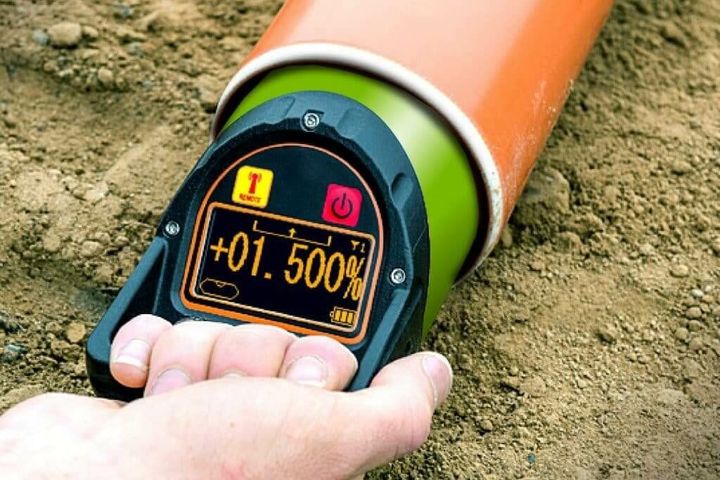
4. Digital Grade Input
Digital interfaces allow precise input of slope values, improving accuracy and repeatability.
5. Ruggedized Designs
Newer models feature improved sealing, shock resistance, and waterproof ratings suitable for harsh environments.
6. Integration with Surveying Equipment
Some pipe lasers can be used alongside total stations or digital levels for coordinated layout work.
7. Data Logging and Diagnostics
Advanced models provide status indicators, calibration alerts, and diagnostic information.
Key Features to Consider When Evaluating a Pipe Laser
1. Accuracy Rating
Accuracy is typically measured in millimeters per meter or inches per 100 feet. Higher accuracy is essential for long pipe runs.
2. Grade Range
Check the minimum and maximum slope the laser can handle, especially for steep or shallow installations.
3. Beam Visibility
Consider beam color and brightness based on working conditions and pipe length.
4. Power Supply
Battery type, runtime, and charging options affect daily usability.
5. Environmental Protection
Look for water and dust resistance ratings suitable for trench and underground work.
6. Size and Compatibility
The laser must fit the pipe diameter being installed and remain stable during use.
7. Control Options
Manual buttons, digital displays, and remote controls all affect ease of operation.
8. Calibration and Service Support
Availability of calibration services and spare parts is important for long-term accuracy.
Leading Pipe Laser Manufacturers and Public Information Sources
The following companies are well known for pipe lasers and related alignment equipment. These links lead to publicly accessible information and technical resources (not endorsements).
| Company | Known For | Public Link |
|---|---|---|
| Leica Geosystems | Precision construction lasers | https://leica-geosystems.com |
| Trimble | Pipe lasers and construction solutions | https://www.trimble.com |
| Topcon | Alignment and positioning tools | https://www.topconpositioning.com |
| Spectra Precision | Construction and pipe lasers | https://www.spectraprecision.com |
| Hilti | Construction layout and laser tools | https://www.hilti.com |
| GeoMax | Value-focused surveying equipment | https://www.geomax-positioning.com |
How to Choose the Right Pipe Laser
Step 1: Define the Application
Determine pipe diameter, length, slope requirements, and project complexity.
Step 2: Evaluate Accuracy Needs
Long or sensitive drainage systems require higher accuracy ratings.
Step 3: Consider Working Conditions
Underground moisture, dirt, and lighting conditions influence laser visibility and durability needs.
Step 4: Decide on Control Method
Remote control can improve safety and efficiency in deep trenches.
Step 5: Check Compatibility
Ensure the laser fits pipe sizes commonly used in your projects.
Step 6: Compare Support and Service
Reliable calibration and repair services help protect long-term accuracy.
Step 7: Balance Cost and Features
Advanced features add value but may not be necessary for every job type.
Selection Checklist for Pipe Lasers
[ ] Pipe diameter and length identified
[ ] Required slope range confirmed
[ ] Accuracy requirements defined
[ ] Beam visibility evaluated
[ ] Battery runtime assessed
[ ] Environmental protection checked
[ ] Control method selected
[ ] Calibration and service availability confirmed
[ ] Budget aligned with features
[ ] Operator training needs considered
Tips for Best Use and Maintenance of Pipe Lasers
1. Clean the Laser Regularly
Dirt or moisture on the lens can reduce beam clarity and accuracy.
2. Check Calibration Periodically
Routine calibration ensures continued accuracy over time.
3. Protect the Laser During Transport
Use protective cases to avoid damage from vibration or impact.
4. Monitor Battery Levels
Recharge batteries before they are fully depleted to avoid interruptions.
5. Keep the Pipe Interior Clear
Remove mud or debris that may block or scatter the laser beam.
6. Follow Manufacturer Setup Procedures
Correct setup minimizes alignment errors and equipment strain.
7. Store in Controlled Conditions
Avoid extreme temperatures and humidity when storing the device.
FAQs About Pipe Lasers
1. What is a pipe laser used for?
Pipe lasers are used to align pipes accurately during underground installation, especially for gravity-flow systems.
2. Can pipe lasers be used for pressure pipelines?
Yes. While slope is less critical, alignment is still important for pressure systems.
3. How accurate are pipe lasers?
Accuracy varies by model, but many offer precision suitable for long pipe runs with minimal error.
4. Do pipe lasers work in wet conditions?
Most are designed for damp environments, but standing water or heavy mud can affect visibility.
5. Is training required to use a pipe laser?
Basic training is recommended to ensure correct setup, alignment, and safety.
6. How often should a pipe laser be calibrated?
Calibration frequency depends on usage, but many professionals check annually or after impacts.
7. Are pipe lasers suitable for small projects?
Yes. While the investment is higher, they can improve accuracy and efficiency even on smaller jobs.
Conclusion: A Practical Takeaway
Pipe lasers are precision tools that play a vital role in modern pipe installation and underground construction. By providing accurate line and grade control, they help ensure reliable system performance, reduce installation errors, and support efficient project completion. While pipe lasers involve an initial investment and require proper handling, their benefits often outweigh the costs through improved accuracy and reduced rework.
Understanding the types of pipe lasers, key features, innovations, and best-use practices outlined in this guide helps users choose tools that match their project needs. With correct selection, regular maintenance, and proper training, pipe lasers remain a dependable solution for achieving precise and long-lasting pipe installations.