A Clear and Practical Guide for Everyday Users, Learners, and Professionals
Air filtration plays a crucial role in modern living, influencing everything from indoor comfort and health to industrial operations and environmental protection. As people spend a significant amount of time indoors—whether at home, work, or public facilities—the quality of the air they breathe becomes increasingly important. Air filtration systems help remove dust, allergens, pollutants, microorganisms, and chemical particles from the air. These systems contribute to healthier environments, protect equipment from contamination, and support industries that require controlled air quality. Whether someone is exploring air filtration for personal use, workplace safety, or industrial applications, understanding how these systems work and how to select the right one is essential. This guide offers a simple, user-friendly explanation of air filtration, including its benefits, limitations, types, innovations, and practical considerations for choosing and maintaining the right system.
Benefits of Air Filtration
1. Improved Indoor Air Quality
Air filtration systems reduce airborne contaminants such as dust, pollen, mold spores, smoke particles, and bacteria. Cleaner air supports better breathing comfort and reduces triggers for sensitive individuals.
2. Health Protection
In many buildings, air filtration plays a key role in reducing potential exposure to harmful particles, including viruses, industrial pollutants, and chemicals. High-quality filters improve overall wellbeing.
3. Enhanced HVAC Performance
Clean air reduces strain on heating, ventilation, and cooling equipment. This leads to better energy efficiency and longer system lifespan.
4. Protection for Sensitive Environments
Industries such as pharmaceuticals, food processing, research labs, and electronics manufacturing rely on clean air to prevent contamination and ensure product safety.
5. Reduced Odors and Basic Chemical Pollutants
Activated carbon filters and similar systems absorb certain odors or gaseous pollutants, supporting more comfortable indoor environments.
Limitations of Air Filtration
1. Not All Pollutants Are Easily Filtered
Some gases, ultrafine particles, or volatile organic compounds (VOCs) require specialized filters. A standard filter may not remove these effectively.
2. Maintenance Requirements
Clogged or dirty filters reduce airflow and performance. Regular replacement or cleaning is essential.
3. Cost Considerations
High-efficiency filters or advanced filtration systems can be more expensive upfront and may increase energy consumption if not designed properly.
4. Airflow Resistance
High-efficiency filters sometimes limit airflow, possibly affecting HVAC performance unless the system is designed to handle them.
5. No Single System Solves All Air Problems
Filtration works best when combined with ventilation, humidity control, and regular cleaning.
Types of Air Filtration Systems
1. Mechanical Filters
These filters physically trap particles using fibrous materials. Common examples include HEPA filters and MERV-rated filters.
They are widely used in homes, offices, hospitals, and industrial facilities.
2. HEPA (High Efficiency Particulate Air) Filters
HEPA filters must capture at least 99.97 percent of particles 0.3 microns in size. They are common in hospitals, clean rooms, air purifiers, and high-performance HVAC systems.
3. Activated Carbon Filters
These filters use carbon’s porous structure to absorb odors, gases, and some chemical pollutants. They complement mechanical filters but do not capture particles.
4. Electrostatic Filters
Electrostatic systems use electrical charges to attract and trap particles. They can be reusable or disposable.
5. UV-C Light Filtration
Ultraviolet systems target microorganisms such as bacteria, mold, and viruses. They are often used in combination with mechanical filters.
6. Air Scrubbers and Industrial Filtration Units
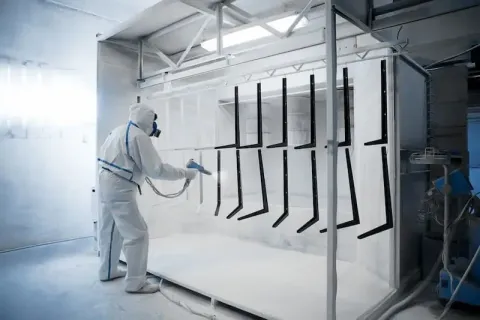
Used in construction sites, industrial environments, and disaster remediation, air scrubbers remove dust, mold spores, and chemical contaminants.
7. Nanofiber Filters
Newer filters use ultrafine fibers to trap very tiny particles with lower airflow resistance.
8. Whole-House Filtration Systems
Integrated into HVAC systems, these systems filter air throughout an entire building rather than relying on portable devices.
Comparison Table: Common Air Filtration Types
| Filtration Type | Removes Particles | Removes Gases | Typical Efficiency | Common Uses |
|---|---|---|---|---|
| Mechanical (MERV) | Yes | No | Medium to High | Homes, offices |
| HEPA | Yes | No | Very High | Hospitals, purifiers, clean rooms |
| Activated Carbon | No | Yes | Variable | Odor and gas control |
| Electrostatic | Yes | No | Medium | Homes, reusable options |
| UV-C | Microorganisms | No | Depends on exposure | Healthcare, HVAC systems |
| Industrial Air Scrubbers | Particles and some gases | Yes | High | Construction, remediation |
| Nanofiber | Yes | No | Very High | Advanced HVAC, research facilities |
Latest Trends and Innovations in Air Filtration
1. Smart Air Quality Monitoring
Modern systems integrate air quality sensors that adjust filtration levels automatically. Users can track air quality through apps or building management systems.
2. Advanced Nanofiber and Multi-Layer Filters
Nanofiber filters capture smaller particles with lower airflow resistance, improving efficiency without overloading HVAC systems.
3. Integration with Building Automation Systems
Large buildings increasingly use centralized digital control systems that monitor filter performance, airflow, and indoor air quality.
4. Sustainable Materials
Manufacturers are developing recyclable filter frames, biodegradable materials, and energy-efficient filtration technologies.
5. Hybrid Filtration Systems
Combining mechanical, chemical, and UV technologies in one unit allows more comprehensive air cleaning.
6. High-Performance Filtration for Pollution-Heavy Regions
Regions experiencing high levels of outdoor pollution are adopting advanced residential and commercial filters to reduce indoor exposure.
Key Features to Consider When Evaluating an Air Filtration System
1. Filtration Efficiency
Filters are often rated using MERV (Minimum Efficiency Reporting Value) or HEPA standards. Higher ratings mean better filtration but may affect airflow.
2. Airflow and Pressure Drop
Filters should not overly restrict airflow. Pressure drop measures how much resistance a filter adds to the system.
3. Filter Size and Compatibility
Filters must match the size and specifications of the air handler or purifier.
4. Target Pollutants
Different filters address different contaminants. For example, carbon filters are better for odors and gases, while HEPA filters target fine particles.
5. Noise Level
Portable filtration systems vary in noise output, which affects comfort in homes and offices.
6. Maintenance Cycle
Consider how often filters need replacement and whether replacement filters are widely available.
7. Energy Efficiency
Systems that conserve energy while maintaining airflow offer long-term benefits.
Top Companies and Public Information Sources
Below is a list of widely known air-filtration companies offering publicly accessible information.
| Company | Known For | Public Link |
|---|---|---|
| 3M | Residential and commercial filters | https://www.3m.com |
| Honeywell | Air purifiers, HVAC filters | https://www.honeywell.com |
| Camfil | Industrial and high-performance filtration | https://www.camfil.com |
| Daikin | HVAC systems and air filtration | https://www.daikin.com |
| MANN+HUMMEL | Automotive and industrial filtration | https://www.mann-hummel.com |
| Philips (Air Quality) | Home air purifiers | https://www.philips.com |
| Lennox | HVAC filtration systems | https://www.lennox.com |
These organizations provide specifications, guidelines, and educational content to support user decisions.
How to Choose the Right Air Filtration System
Step 1: Identify Your Air Quality Needs
Determine whether the main concern is dust, allergens, odors, chemical pollutants, or microorganisms. This helps narrow down filter types.
Step 2: Evaluate Room or Building Size
Air purifiers are rated based on area coverage. HVAC systems require filters matched to airflow capacity.
Step 3: Check Existing Infrastructure
If integrating into an HVAC system, the new filter must be compatible with equipment and airflow requirements.
Step 4: Compare Efficiency Ratings
Use MERV, HEPA, or CADR (Clean Air Delivery Rate) ratings to gauge performance.
Step 5: Consider Maintenance Requirements
Frequent filter changes can increase long-term costs. Durable or washable filters may offer added convenience.
Step 6: Review Noise, Power Use, and Placement
Portable units should fit into the living or working environment without causing discomfort.
Step 7: Confirm Safety Standards
Many filters must meet regional or application-specific standards for health, building codes, or industrial regulations.
Selection Checklist for Air Filtration
[ ] Main pollutants identified
[ ] Room or building size measured
[ ] Filter type selected based on needs
[ ] MERV, HEPA, or CADR rating compared
[ ] Filter compatibility with HVAC system confirmed
[ ] Maintenance frequency understood
[ ] Energy efficiency and airflow reviewed
[ ] Noise levels acceptable
[ ] Safety certifications checked
[ ] Long-term cost evaluated
[ ] Documentation or performance charts reviewed
Tips for Best Use and Maintenance of Air Filtration Systems
1. Replace Filters Regularly
Clogged filters reduce performance and strain HVAC systems. Follow manufacturer recommendations for replacement schedules.
2. Clean Air Vents and Surrounding Areas
Dust and debris around vents reduce air quality and airflow. Clean regularly for better efficiency.
3. Ensure Proper Placement
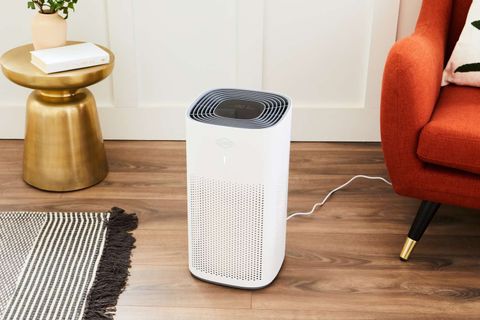
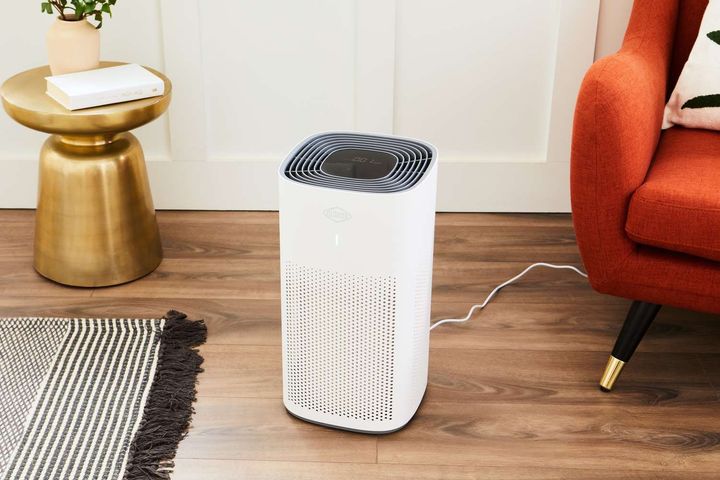
Air purifiers should be placed away from walls or obstructions for optimal circulation.
4. Monitor Air Quality Levels
Use available sensors or external monitors to track indoor pollution and adjust operation as needed.
5. Keep Humidity Balanced
High humidity encourages mold, while low humidity increases static electricity. Balanced humidity supports filtration effectiveness.
6. Maintain HVAC Equipment
Clean coils, ducts, and fans help filtration systems work more efficiently.
7. Use Multi-Layer Systems When Needed
Combining HEPA, carbon, and UV filtration offers more complete air treatment.
FAQs About Air Filtration
1. How often should air filters be replaced?
It depends on filter type and usage, but most household filters are replaced every one to three months. HEPA and carbon filters may have longer cycles.
2. Do portable air purifiers clean an entire home?
Most portable units are designed for a single room. Whole-house HVAC filtration covers the entire building.
3. Can air filtration remove all viruses?
Filters like HEPA can capture many airborne particles, including some that carry viruses, but no system can guarantee complete removal.
4. Are higher MERV ratings always better?
Not always. Higher ratings capture smaller particles but can restrict airflow if the HVAC system is not designed for them.
5. Do air purifiers remove odors?
Only filters designed for gas or odor control, such as activated carbon, can reduce odors.
6. Is UV-C filtration safe?
When properly installed inside HVAC systems, UV-C is generally safe. It should never be used in open areas where it can cause skin or eye exposure.
7. Are washable filters effective?
Washable filters can be useful for large particles but are typically less effective than high-efficiency disposable filters.
Conclusion: A Practical Takeaway
Air filtration supports healthier, cleaner, and more comfortable indoor environments. Whether used in homes, offices, or industrial facilities, these systems help manage airborne contaminants, protect equipment, and support overall wellbeing. With advancements in filtration materials, smart monitoring, and automated systems, users have more options than ever before.
By understanding the benefits, limitations, types, and key considerations of air filtration, individuals and organizations can make informed decisions that suit their needs. Proper maintenance and regular monitoring ensure that filtration systems operate effectively and contribute to long-term air quality improvement.