A Clear, Practical Guide to Modern Material-Handling and Lifting Solutions
Lifting machines play an essential role in industries, warehouses, construction sites, and manufacturing environments. They help move heavy loads safely and efficiently, reducing the physical strain on workers and minimizing the risk of workplace accidents. As businesses grow and supply chains expand, the need for reliable lifting equipment becomes even more important. From small electric hoists to advanced cranes equipped with automation and sensors, lifting machines come in many forms. They support everything from stacking materials to loading shipments, assembling structures, and handling large components. Understanding how these machines work and what to consider before choosing one helps ensure safe, cost-effective operations. This guide provides a clear and user-focused overview of lifting machines, including benefits, limitations, types, innovations, key features, industry leaders, and practical buying and maintenance advice.
Benefits of Lifting Machines
1. Improved Safety
Lifting machines reduce the manual handling of heavy loads, lowering the risk of injuries such as sprains, strains, and falls. This is crucial for workplace safety compliance and long-term employee wellbeing.
2. Higher Efficiency
These machines speed up tasks that would otherwise require multiple workers, contributing to overall productivity and smoother workflows.
3. Increased Load Capacity
Lifting machines handle weights far beyond human capability, enabling the movement of large or bulky materials with precision.
4. Enhanced Accuracy
Many lifting systems allow operators to control movement precisely, reducing errors during material placement or assembly.
5. Versatility
Equipment ranges from compact hoists for workshops to massive cranes for construction, making lifting machines suitable for various industries.
Limitations of Lifting Machines
1. High Initial Costs
Purchasing and installing lifting machinery can be expensive, especially for large cranes or automated systems.
2. Training Requirements
Operators must be trained to use lifting machines safely and effectively. Lack of training may lead to accidents or equipment misuse.
3. Maintenance Needs
Mechanical components, cables, and motors require regular inspections and servicing to ensure safe operation.
4. Space Constraints
Some lifting machines need ample space for operation and installation, which may not suit smaller facilities.
5. Compliance and Regulations
Many regions have strict safety standards and inspection schedules for lifting equipment, which must be followed.
Types of Lifting Machines
1. Cranes
Cranes are large lifting machines used in construction, shipyards, warehouses, and factories. They can lift heavy loads vertically and move them horizontally.
Common crane types:
• Tower cranes
• Mobile cranes
• Overhead (bridge) cranes
• Gantry cranes
2. Hoists
Hoists lift and lower loads using a drum, rope, or chain. They are often paired with trolleys for horizontal movement.
Types:
• Electric hoists
• Manual chain hoists
• Pneumatic hoists
3. Forklifts
Forklifts lift, carry, and transport pallets or materials in warehouses and factories.
Variations include:
• Electric forklifts
• Diesel forklifts
• Reach trucks
• Pallet stackers
4. Elevators and Lifts
Used for lifting people or goods vertically in buildings or industrial plants.
5. Hydraulic Lifting Platforms
Hydraulic systems raise platforms for maintenance, construction, and assembly tasks.
Examples:
• Scissor lifts
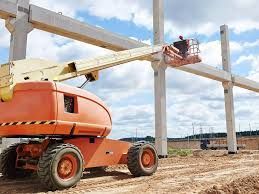
• Boom lifts
• Aerial work platforms
6. Jib Cranes
Compact cranes with a rotating arm, ideal for loading stations or workshops.
7. Winches
Winches pull or lift loads using cables or ropes. They are commonly used in marine operations or vehicle recovery.
Comparison Table: Common Lifting Machine Types
| Lifting Machine | Main Function | Load Capacity | Mobility | Typical Use |
|---|---|---|---|---|
| Cranes | Lift large, heavy loads | Very high | Low to Medium | Construction, shipyards |
| Hoists | Vertical lifting | Medium | Low | Workshops, assembly lines |
| Forklifts | Move and lift pallets | Medium to High | High | Warehouses, logistics |
| Hydraulic Platforms | Elevate workers/equipment | Low to Medium | Medium | Maintenance, repairs |
| Jib Cranes | Localized lifting | Medium | Low | Workstations, loading areas |
| Winches | Pull or lift loads | Low to High | Medium | Marine, recovery operations |
Latest Trends and Innovations in Lifting Machines
1. Automation and Remote Control
Many modern cranes and hoists now support remote operation. This reduces operator fatigue and keeps workers at a safer distance from heavy loads.
2. Smart Sensors and Load Monitoring
Load cells, tilt sensors, and overload protection devices help operators prevent unsafe lifting conditions.
3. Electric and Hybrid Power Solutions
Manufacturers increasingly use electric motors to reduce emissions and noise, especially in indoor environments.
4. Advanced Safety Systems
Features like automatic braking, anti-sway technology, and collision detection enhance safety and precision.
5. Predictive Maintenance Technology
Equipment now includes sensors that monitor wear and performance, helping identify issues before breakdowns occur.
6. Lightweight and High-Strength Materials
Use of advanced alloys and composites improves load capacity while reducing machine weight.
7. Integration with Warehouse Management Systems
In logistics environments, forklifts and lifting systems integrate with digital inventory and tracking tools.
Key Features to Consider When Evaluating a Lifting Machine
1. Load Capacity
Ensure the machine can support the heaviest loads expected during operations.
2. Lifting Height
Different machines offer varying vertical reach depending on application needs.
3. Duty Cycle
This refers to how often a machine can operate without overheating or wearing down.
4. Power Source
Options include electric, diesel, pneumatic, and hydraulic systems, each with advantages depending on environment and task.
5. Safety Features
Important features may include overload protection, emergency stop functions, limit switches, and stable platforms.
6. Mobility Requirements
Some applications require fixed lifting equipment, while others need machines that move easily.
7. Installation and Space Availability
Consider the installation area, ceiling height, and structural needs.
8. Maintenance Needs
Evaluate how easy the machine is to service and whether replacement parts are accessible.
Top Companies and Public Information Sources
The following companies are recognized worldwide for material-handling and lifting equipment. These links lead to publicly available information (not promotional endorsements).
| Company | Known For | Public Link |
|---|---|---|
| Konecranes | Industrial cranes and hoists | https://www.konecranes.com |
| Liebherr | Construction cranes and heavy lifting | https://www.liebherr.com |
| Toyota Material Handling | Forklifts and warehouse equipment | https://www.toyotaforklift.com |
| JLG | Aerial lifts and platforms | https://www.jlg.com |
| Terex | Cranes and lifting machinery | https://www.terex.com |
| Columbus McKinnon (CM) | Hoists, trolleys, lifting systems | https://www.cmworks.com |
| Caterpillar | Heavy machinery, some lifting solutions | https://www.cat.com |
These companies provide specifications, manuals, and educational resources useful for research and comparison.
How to Choose the Right Lifting Machine
Step 1: Define Load and Usage Requirements
Understand the weight, shape, and size of materials handled. Consider frequency of lifting, load variability, and required precision.
Step 2: Analyze the Work Environment
Indoor environments may require electric machines; outdoor locations might handle diesel-powered or heavy-duty units better.
Step 3: Determine Movement Needs
Some operations require long-distance movement (forklifts), while others require vertical lifting only (hoists or cranes).
Step 4: Consider Safety Regulations
Comply with local lifting standards, inspection schedules, and operator certification requirements.
Step 5: Compare Costs and Long-Term Value
Look beyond purchase price. Evaluate maintenance, energy use, service life, and downtime impact.
Step 6: Check Compatibility with Existing Infrastructure
Facilities may need reinforced structures or power modifications for certain machines.
Step 7: Evaluate User Interface and Controls
Machines with intuitive controls reduce training time and human error.
Selection Checklist for Lifting Machines
[ ] Maximum load capacity determined
[ ] Required lift height and reach defined
[ ] Power source selected (electric, hydraulic, diesel)
[ ] Operating environment assessed
[ ] Mobility needs evaluated
[ ] Safety features reviewed
[ ] Duty cycle requirements considered
[ ] Maintenance schedule and costs understood
[ ] Regulatory compliance verified
[ ] Space and installation requirements checked
[ ] Training and operator needs confirmed
[ ] Warranty or support services reviewed
Tips for Best Use and Maintenance of Lifting Machines
1. Conduct Routine Inspections
Check cables, chains, brakes, and structural components for wear or damage.
2. Follow Load Limits Strictly
Overloading is a leading cause of lifting accidents. Always adhere to capacity markings.
3. Keep Operators Trained
Training improves safety and ensures correct use of controls, emergency stops, and signaling procedures.
4. Lubricate Moving Parts
Regular lubrication extends the life of motors, gears, and joints.
5. Maintain Clear Operating Zones
Ensure the area around the lifting machine is free from obstacles and unauthorized personnel.
6. Store Equipment Properly
Machines not in use should be stored securely, protected from weather and corrosion.
7. Document All Maintenance
Keeping records supports safety compliance and helps track performance over time.
FAQs About Lifting Machines
1. What is the most common lifting machine used in warehouses?
Forklifts and electric stackers are widely used due to their mobility and load-handling capability.
2. Can lifting machines be used outdoors?
Many machines, including cranes and diesel forklifts, are designed for outdoor use. Weather resistance should always be checked.
3. How often should lifting machines be inspected?
Inspection frequency depends on usage intensity and local regulations, but many facilities perform daily checks and scheduled annual inspections.
4. Are electric lifting machines better than diesel?
Electric machines are quieter and cleaner, making them ideal for indoor use. Diesel machines are often preferred for heavy-duty outdoor tasks.
5. What causes lifting machine failures?
Common causes include overloading, poor maintenance, worn components, and improper operation.
6. Can small businesses benefit from lifting machines?
Yes. Many compact options like manual hoists, pallet stackers, or small cranes suit small workshops and warehouses.
7. Do operators need certification?
Certain lifting machines, such as cranes or forklifts, require certified training depending on location and regulations.
Conclusion: A Practical Takeaway
Lifting machines are essential tools for safe and efficient material handling. They reduce manual strain, increase productivity, and improve overall workplace safety. With a wide range of machines available—from hoists and cranes to forklifts and hydraulic lifts—users can select solutions tailored to their needs.
By understanding the benefits, limitations, types, and key considerations outlined in this guide, individuals and organizations can make informed decisions that support both safety and operational efficiency. Regular maintenance, proper training, and careful selection ensure that lifting machines continue to serve reliably for years to come.