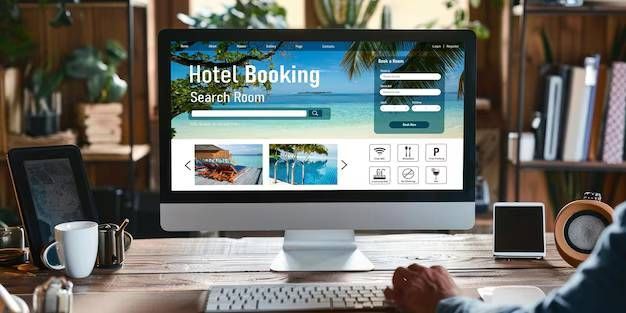
Hotel Booking Explained: Hotel Types, Online Booking Platforms, Luxury Resorts, Accommodation Options and Global Hospitality Trends
Hotel booking is the process of reserving accommodation for a specific period through a hotel, travel agency, online booking platform, or hospitality provider. It allows travelers to compare hotel categories, room types, facilities, locations, reservation conditions, and accommodation prices before confirming a stay.
The hotel reservation industry developed alongside international tourism, commercial travel, and the expansion of organized hospitality businesses. Traditional reservations were handled through telephone calls, travel agents, and hotel reception desks. The introduction of internet-based reservation systems transformed the industry by allowing travelers to search for accommodation and confirm bookings digitally.
Today, hotel booking includes luxury hotels, budget accommodation, business hotels, beach resorts, boutique properties, serviced apartments, and vacation rentals. Online travel agencies, hotel websites, mobile applications, and global distribution systems connect travelers with hospitality providers across international markets.
Why Hotel Booking Matters in the Modern Travel Industry
Hotel booking is an important part of travel planning because accommodation affects travel budgets, transportation arrangements, convenience, and the overall visitor experience.
Individuals, families, corporate travelers, international tourists, and event organizers use hotel reservation platforms for different accommodation requirements.
Major applications include:
Leisure Travel: Reserving hotels and resorts for holidays, sightseeing, and recreational activities.
Business Travel: Finding accommodation near commercial districts, offices, airports, and conference venues.
Luxury Tourism: Booking premium hotels, private villas, wellness resorts, and exclusive accommodation.
Family Holidays: Comparing family rooms, connecting rooms, swimming pools, and child-friendly facilities.
Long-Term Accommodation: Finding serviced apartments and extended-stay hotels.
Event and Conference Travel: Reserving multiple rooms for corporate meetings, exhibitions, and international events.
Hotel booking platforms also help hospitality businesses manage room inventory, reservation information, guest communication, and distribution channels.
Major Types of Hotels and Accommodation Options
The hospitality industry includes different property categories designed around accommodation requirements, facilities, location, and length of stay.
Luxury Hotels and Five-Star Accommodation
Luxury hotels generally provide premium rooms, restaurants, wellness facilities, conference spaces, swimming pools, and specialized hospitality arrangements.
They are commonly located in metropolitan cities, international tourism destinations, business districts, and established resort locations.
Popular luxury hotel destinations include Dubai, Singapore, London, Paris, Bangkok, Mumbai, and New York.
Budget Hotels and Economy Accommodation
Budget hotels provide essential accommodation facilities, including furnished rooms, bathrooms, housekeeping arrangements, and basic guest amenities.
These properties are commonly located near railway stations, airports, commercial centers, highways, and tourist attractions.
They are used by families, individual travelers, students, and business visitors.
Business Hotels
Business hotels are designed around the requirements of corporate travelers and professionals.
Common facilities include:
Meeting rooms and conference halls.
High-speed internet connectivity.
Business workspaces.
Airport transportation arrangements.
Restaurant and dining facilities.
Flexible check-in arrangements where available.
Beach Resorts and Luxury Holiday Properties
Beach resorts combine accommodation with recreational activities and coastal experiences.
Destinations such as Maldives, Bali, Phuket, Goa, and Mauritius have different categories of beachfront hotels, private villas, and resort properties.
Boutique Hotels and Heritage Properties
Boutique hotels generally have distinctive architecture, interior designs, and smaller accommodation capacities compared with large hotel chains.
Heritage hotels operate in historically significant buildings, including restored palaces, traditional residences, and historic properties.
Serviced Apartments and Extended-Stay Hotels
Serviced apartments combine residential facilities with selected hotel-style arrangements.
They commonly include furnished bedrooms, living spaces, kitchens or kitchenettes, and housekeeping facilities. These properties are used by relocating families, corporate professionals, and long-term visitors.
Popular Global Hotel Booking Destinations
Hotel booking demand is influenced by tourism infrastructure, international transportation, business activity, cultural attractions, and seasonal travel patterns.
Dubai
Dubai has luxury hotels, business accommodation, beachfront resorts, and serviced apartments.
Popular hospitality areas include Downtown Dubai, Dubai Marina, Palm Jumeirah, and Jumeirah Beach.
Singapore
Singapore offers international hotel chains, business hotels, boutique properties, and luxury accommodation near commercial and entertainment districts.
London
London has historic hotels, luxury properties, airport accommodation, serviced apartments, and business hotels.
Bangkok and Phuket
Thailand's hospitality market includes city hotels, beachfront resorts, wellness properties, private villas, and boutique accommodation.
Maldives
Maldives is known for island resorts, overwater villas, beachfront accommodation, and marine tourism experiences.
Global Hotel Booking Platforms and Online Reservation Systems
Online hotel booking platforms allow travelers to search accommodation, compare room categories, examine guest reviews, and complete reservations through digital systems.
Some widely recognized hotel reservation platforms include:
Booking.com: Provides hotel reservations, apartments, resorts, guest houses, and alternative accommodation.
Agoda: Offers hotel booking and accommodation search facilities across international destinations.
Expedia: Provides hotel reservations, flight arrangements, and combined travel planning.
Hotels.com: Focuses on hotel accommodation searches and reservation management.
MakeMyTrip: Provides hotel booking and travel reservation facilities, particularly in the Indian market.
Trip.com: Offers international hotel reservations, flights, and travel-related arrangements.
Airbnb: Features vacation rentals, private rooms, apartments, and holiday properties.
Trivago: Provides hotel search and accommodation price comparison across different booking platforms.
How Online Hotel Booking Works
The online hotel reservation process generally involves several stages:
Destination Search: Travelers enter a destination, check-in date, check-out date, and number of guests.
Hotel Comparison: Available properties are compared according to location, room category, facilities, and guest reviews.
Room Selection: Travelers select an appropriate room configuration and reservation arrangement.
Guest Information: Personal and contact details are entered according to booking requirements.
Payment and Confirmation: Payment is completed where required, and reservation confirmation is generated.
Check-In: Guests provide the required identification and reservation information at the property.
Global Hotel Chains and Hospitality Companies
The international hospitality industry includes hotel operators, resort groups, accommodation management companies, and hotel franchise networks.
Some internationally recognized hospitality companies include:
Marriott International: Operates multiple hotel brands across luxury, premium, and select-service accommodation categories.
Hilton: Operates hotels, resorts, and extended-stay accommodation brands.
Accor: Manages hospitality brands across luxury, lifestyle, premium, and economy categories.
Hyatt Hotels Corporation: Operates luxury hotels, business properties, and leisure resorts.
IHG Hotels & Resorts: Operates hotels and resorts across multiple international markets.
Wyndham Hotels & Resorts: Operates an international network of hotels across different accommodation segments.
Radisson Hotel Group: Operates business hotels, luxury properties, and leisure accommodation.
These companies operate through different ownership, management, licensing, and franchising arrangements.
Hotel Booking Prices and Factors Affecting Accommodation Rates
Hotel booking prices vary according to destination, property category, room availability, seasonal demand, and reservation conditions.
Travelers commonly compare the following factors before selecting accommodation:
Pricing Factor | Description |
|---|---|
Hotel Category | Luxury, premium, business, or budget accommodation |
Location | Distance from airports, attractions, and commercial districts |
Room Type | Standard, deluxe, suite, or family room |
Travel Season | Seasonal tourism demand and local events |
Occupancy | Number of guests and room configuration |
Reservation Policy | Refundable and non-refundable booking conditions |
Amenities | Breakfast, parking, swimming pools, and other facilities |
Additional Charges | Taxes, resort fees, and applicable property charges |
Hotel Deals, Discounts and Reservation Offers
Hotel booking platforms and hospitality companies may provide promotional arrangements, seasonal discounts, loyalty benefits, and package-based reservations.
Common booking categories include:
Early reservation discounts.
Last-minute hotel booking arrangements.
Corporate accommodation rates.
Long-stay accommodation packages.
Seasonal holiday packages.
Loyalty membership benefits.
Flight and hotel combination packages.
The actual availability and conditions of these arrangements depend on individual properties, booking platforms, and reservation dates.
Hotel Booking Technologies and Digital Hospitality Systems
Technology has transformed hotel reservation management, room distribution, and guest communication.
Property Management Systems
Hotel Property Management Systems (PMS) help manage room inventory, reservations, guest records, billing, check-in, and housekeeping activities.
These systems connect different hotel departments through centralized operational software.
Global Distribution Systems
Global Distribution Systems (GDS) connect hotels, airlines, travel agencies, and other travel-related businesses.
Major systems include Amadeus, Sabre, and Travelport. They support reservation distribution and access to travel inventory across connected networks.
Artificial Intelligence and Automated Reservations
Artificial intelligence is increasingly being used in hotel booking and hospitality management.
Common applications include:
Automated customer communication.
AI-powered hotel search assistance.
Personalized accommodation suggestions.
Demand forecasting.
Automated reservation management.
Guest preference analysis.
Mobile Booking and Contactless Hotel Technology
Mobile applications allow travelers to manage reservations, access confirmation details, and communicate with accommodation providers.
Some hotels also use digital room keys, contactless check-in systems, electronic payments, and smart room controls.
Global Hospitality Industry Trends, 2024–2026
The global hotel booking industry continues to change through digital innovation, evolving traveler preferences, and new hospitality business models.
Important developments include:
Artificial Intelligence in Hotel Reservations: AI-based systems are being adopted for booking assistance, customer communication, personalized searches, and hotel revenue analysis.
Luxury Hospitality Expansion: International hotel groups continue to develop premium properties, wellness resorts, private villas, and destination-based accommodation.
Alternative Accommodation Growth: Vacation rentals, serviced apartments, boutique hotels, and professionally managed holiday homes are expanding the range of accommodation choices.
Sustainable Hotel Operations: Hospitality companies are increasingly focusing on energy efficiency, water conservation, waste reduction, and environmentally responsible operations.
Mobile-First Reservations: Smartphone applications, digital payments, and electronic confirmation systems are becoming important parts of hotel reservation processes.
Personalized Guest Experiences: Hotel operators are using customer preference information to organize room arrangements, communication, and hospitality experiences.
These developments reflect the growing relationship between digital travel platforms and the international hospitality industry.
Hotel Booking Regulations and Consumer Protection
Hotel reservations are influenced by tourism regulations, consumer protection laws, data privacy requirements, taxation rules, and accommodation licensing regulations.
Requirements differ according to the country and the location of the property.
In India, hotel establishments must comply with applicable state and local business regulations, fire safety requirements, taxation rules, and relevant tourism guidelines. The Ministry of Tourism also provides hotel classification and recognition frameworks.
In the European Union, consumer protection and data protection frameworks, including the General Data Protection Regulation (GDPR), influence how accommodation businesses handle customer information and online reservations.
In the United States, the Federal Trade Commission (FTC) oversees relevant consumer protection matters, including deceptive advertising and pricing practices.
Important regulatory considerations include:
Accurate hotel descriptions and room information.
Transparent reservation charges and applicable taxes.
Clear cancellation and refund conditions.
Protection of customer payment information.
Guest identification and registration requirements.
Hotel operating licenses and safety compliance.
Appropriate handling of personal information.
Hotel Booking Tools and Travel Planning Resources
Travelers and hospitality professionals use different digital tools to organize accommodation reservations and manage hotel operations.
Some useful resources include:
Google Maps: For hotel locations, directions, and nearby attractions.
Google Travel: For travel research and accommodation comparisons.
Hotel Price Comparison Tools: For examining accommodation rates across booking platforms.
Currency Converters: For understanding international hotel expenses.
Weather Applications: For researching destination conditions before reservations.
Hotel Management Software: For managing room availability, guest records, and reservation information.
Travel Itinerary Templates: For organizing accommodation, transportation, and sightseeing arrangements.
Frequently Asked Questions About Hotel Booking
1. What are the different types of hotel booking options?
Common options include luxury hotels, budget hotels, business hotels, boutique properties, beach resorts, heritage hotels, serviced apartments, and vacation rentals.
2. Which are the popular online hotel booking platforms?
Popular platforms include Booking.com, Agoda, Expedia, Hotels.com, MakeMyTrip, Trip.com, Airbnb, and Trivago.
3. How can travelers compare hotel booking prices?
Travelers can compare room categories, accommodation facilities, hotel locations, guest reviews, applicable taxes, cancellation policies, and total reservation charges.
4. What are the major luxury hotel chains worldwide?
International hospitality companies include Marriott International, Hilton, Accor, Hyatt, IHG Hotels & Resorts, Wyndham Hotels & Resorts, and Radisson Hotel Group.
5. What technologies are used in modern hotel booking?
Modern hotel booking uses online reservation systems, property management software, global distribution systems, artificial intelligence, mobile applications, digital payment systems, and automated guest communication.
Conclusion
Hotel booking connects travelers with accommodation providers through online platforms, hotel websites, travel agencies, and reservation systems. The industry includes luxury hotels, budget properties, business accommodation, beach resorts, boutique hotels, and serviced apartments. Digital reservations, artificial intelligence, mobile applications, and global distribution systems continue to influence hotel operations and guest experiences. Regulatory compliance, transparent reservation conditions, and changing traveler preferences remain important aspects of the global hospitality industry.