Industrial Electrical Machines Explained: Electrical Technologies, Global Manufacturers, Industrial Applications, Machine Types, Manufacturing Processes & Supplier
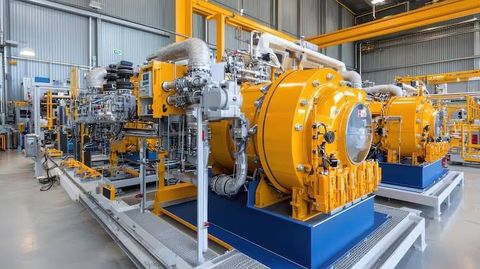
Industrial electrical machines convert electrical energy into mechanical power or the reverse. Motors drive pumps, fans, conveyors, compressors and robots. Generators produce electricity from mechanical energy. These machines sit at the heart of nearly every factory, processing plant, mining operation and energy facility. Choosing the right industrial electrical machines affects energy costs, reliability, maintenance needs and overall productivity.
Main Types of Industrial Electrical Machines
Industrial electrical machines fall into clear categories based on how they work and what they power.
AC Induction Motors
Three-phase AC induction motors remain the most common choice in industry. They are rugged, relatively low-cost and require little maintenance because they have no brushes or permanent magnets on the rotor. Squirrel-cage designs dominate pumps, fans, conveyors and general machinery. Wound-rotor versions appear where higher starting torque or speed control is needed.
Synchronous Motors and Permanent Magnet Motors
Synchronous motors run at exact grid frequency and offer high efficiency. Permanent magnet synchronous motors (PMSM) deliver excellent power density and efficiency, making them popular in modern high-performance applications. Synchronous reluctance motors (SynRM) achieve high efficiency without rare-earth magnets and are gaining ground in pumps and compressors.
DC Motors and Brushless Designs
Traditional brushed DC motors still serve applications that need simple speed control or high starting torque. Brushless DC motors and electronically commutated motors reduce maintenance while keeping precise control. These appear in conveyors, packaging machines and smaller industrial drives.
Industrial Generators
Synchronous generators produce stable AC power in power plants, backup systems and marine applications. Induction generators appear in some renewable and industrial recovery systems. High-speed generators support compressors and specialized process equipment.
Specialty Machines
Servo motors provide precise position and speed control for robotics and CNC machines. High-speed motors serve compressors and spindles. Explosion-proof and severe-duty motors operate safely in hazardous or harsh environments.
Key Electrical Technologies Shaping Performance
Modern industrial electrical machines rely on several important technologies.
Variable frequency drives (VFDs) allow precise speed control of AC motors and cut energy use on fans and pumps. Vector control and field-oriented control deliver near-DC performance from AC machines. Sensorless control reduces hardware cost while maintaining accuracy.
Efficiency classes IE3, IE4 and IE5 set clear performance targets. Higher-efficiency motors lower operating costs over years of continuous use. Improved materials such as better electrical steels, advanced insulation systems and optimized cooling raise power density and extend service life.
Digital features now appear on many industrial motors. Temperature sensors, vibration monitoring and connectivity support predictive maintenance. Some machines integrate with plant-wide control systems for better energy management and process optimization.
How Industrial Electrical Machines Are Manufactured
Manufacturing starts with core materials. Laminated electrical steel forms the stator and rotor cores to reduce eddy-current losses. Copper or aluminum windings are inserted and insulated. Permanent magnets, when used, are carefully magnetized and fixed in place.
Frames are cast or fabricated, often from iron or aluminum. Bearings, shafts and cooling systems (fan-cooled or water-cooled) complete the mechanical assembly. Strict quality checks cover balance, insulation resistance, vibration and performance testing. Larger machines undergo full-load or back-to-back testing before shipment.
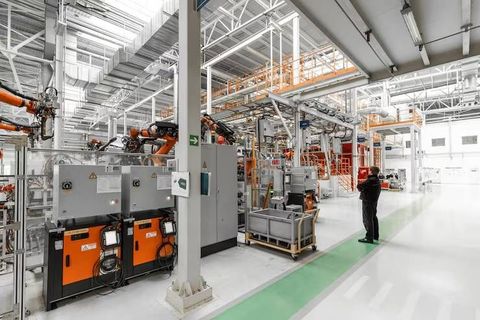
Automation and precision tooling keep tolerances tight. Many manufacturers now track materials and processes digitally to support traceability and continuous improvement.
Leading Global Manufacturers of Industrial Electrical Machines
Several companies dominate the industrial motors and generators market:
- ABB offers a wide range of high-efficiency motors, generators and integrated drive systems.
- Siemens produces SIMOTICS motors and related drive technology for industrial and process industries.
- WEG supplies robust motors for heavy-duty and harsh environments across many regions.
- Nidec focuses on a broad portfolio including smaller and specialized industrial motors.
- Regal Rexnord and SEW-Eurodrive are strong in industrial motion and geared motor solutions.
- Other notable names include Mitsubishi Electric, Toshiba, Franklin Electric and specialized makers of high-speed or explosion-proof machines.
These manufacturers invest heavily in energy-efficient designs, digital connectivity and global service networks. Regional suppliers also play important roles where local support and specific certifications matter.
Finding Reliable Industrial Motor Suppliers
Industrial motor suppliers range from original equipment manufacturers to authorized distributors and system integrators. Good suppliers provide technical selection support, documentation, spare parts and service. Buyers often look for:
- Clear efficiency data and certifications
- Local or regional service capability
- Compatibility with existing drives and control systems
- Options for customization or severe-duty designs
Working with established industrial motor suppliers reduces downtime risk and helps match machines correctly to the load and environment.
Industrial Applications Across Key Sectors
Industrial electrical machines power a wide range of processes:
Manufacturing and Automation – Motors drive machine tools, conveyors, robots and packaging lines. Servo systems enable precise positioning.
Pumps, Fans and Compressors – Induction and high-efficiency synchronous motors move fluids and air in process plants, HVAC and water treatment.
Oil, Gas and Mining – Severe-duty and explosion-proof motors run pumps, compressors, conveyors and crushers under demanding conditions.
Power Generation and Utilities – Generators produce electricity while motors support auxiliary systems such as cooling and fuel handling.
Food, Beverage and Pharmaceuticals – Hygienic and washdown-rated motors meet strict cleanliness standards.
Marine and Heavy Industry – High-power motors and generators handle propulsion, winches and large process equipment.
In every sector the focus remains the same: reliable conversion of electrical energy into useful mechanical work with the lowest possible energy cost and maintenance burden.
Choosing the Right Industrial Electrical Machine
Start with the load profile, required speed range, duty cycle and environmental conditions. Match the motor type and efficiency class to the application. Consider the drive system early because the combination of motor and VFD often determines overall performance. Factor in total cost of ownership rather than purchase price alone, since energy and maintenance dominate lifetime costs.
Verify available service support and spare parts. For critical applications, ask about monitoring options that support predictive maintenance. Matching the machine correctly to the job delivers better reliability and lower operating costs over many years of service.
Industrial electrical machines continue to evolve toward higher efficiency, smarter monitoring and tighter integration with factory systems. Understanding the main types, current technologies, manufacturing quality, leading manufacturers and practical applications helps engineers and buyers make sound decisions that support both productivity and energy goals.