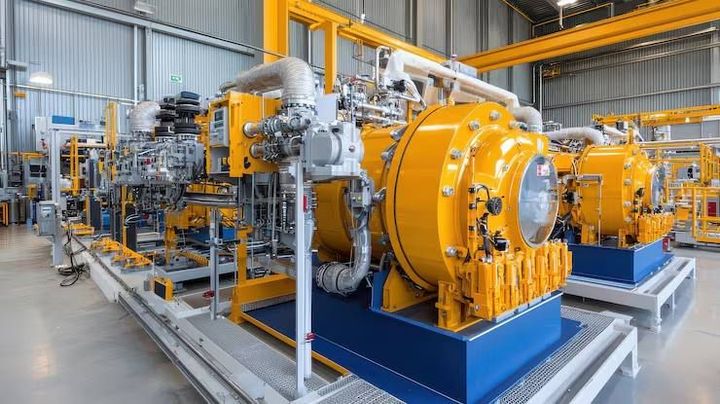
Industrial Equipment Explained: Types, Manufacturing Technologies, Industrial Applications and Global Suppliers
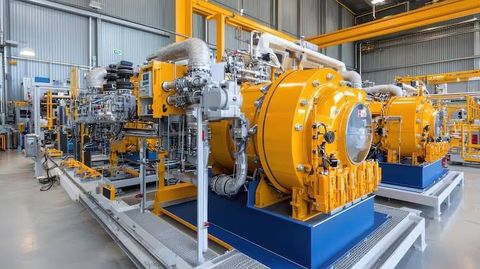
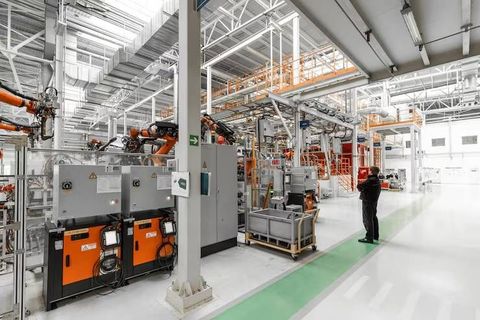
Industrial equipment forms the backbone of modern production. From heavy machinery on factory floors to precision systems in cleanrooms, this equipment turns raw materials into finished goods at scale. Understanding the main categories, the technologies that power them, the companies that build them, and where they get used helps businesses choose smarter, operate more efficiently, and stay competitive.
What Is Industrial Equipment and Why It Matters
Industrial equipment refers to the machines, tools, and systems used in manufacturing, processing, construction, mining, energy, and logistics. It ranges from massive excavators and CNC machining centers to conveyors, robots, pumps, and packaging lines.
These assets directly affect productivity, product quality, energy use, and safety. Companies that invest in the right industrial machinery often see lower downtime, higher output, and better margins. In recent years, demand has grown for equipment that supports factory automation and industrial automation because labor shortages and rising costs push manufacturers toward smarter systems.
Core Categories of Industrial Equipment
Industrial equipment falls into several practical groups based on function.
Manufacturing and Machining Equipment
This group includes CNC machines, lathes, milling machines, grinding equipment, and presses. CNC machining remains one of the most searched and commercially valuable areas because it delivers high precision for automotive, aerospace, and medical parts. Metal fabrication tools such as laser cutters, plasma cutters, and press brakes also belong here.
Material Handling Equipment
Conveyors, forklifts, automated guided vehicles (AGVs), cranes, and palletizers move materials and finished products through plants and warehouses. Efficient material handling equipment reduces manual labor and speeds up production flow.
Heavy Equipment and Construction Machinery
Excavators, bulldozers, wheel loaders, and cranes fall into this category. These machines support infrastructure, mining, and large-scale construction projects worldwide.
Process and Packaging Equipment
Pumps, compressors, mixers, reactors, and packaging machinery handle liquids, powders, and finished goods in food, chemical, pharmaceutical, and consumer goods plants.
Automation and Robotics Systems
Industrial robots, collaborative robots (cobots), programmable logic controllers, sensors, and vision systems enable factory automation. These technologies improve consistency and allow 24/7 operation with fewer operators.
Manufacturing Technologies Driving Modern Industrial Equipment
Today’s industrial machinery is more connected and intelligent than ever. Key technologies include:
- CNC and multi-axis machining for complex, high-tolerance parts
- Industrial Internet of Things (IIoT) sensors that monitor performance in real time
- Predictive maintenance systems that reduce unplanned downtime
- Digital twins that let engineers simulate equipment behavior before physical changes
- Additive manufacturing (industrial 3D printing) for prototypes and low-volume complex components
- Energy-efficient drives and motors that lower operating costs
These advances help manufacturers meet tighter quality standards while cutting waste and energy use. Buyers increasingly look for equipment that supports industrial automation and can integrate with existing factory systems.
Leading Global Manufacturers of Industrial Equipment
A handful of large companies dominate many segments of the industrial equipment market:
- Caterpillar and Komatsu lead in heavy equipment and mining machinery.
- Siemens, ABB, and Rockwell Automation supply automation, drives, and control systems.
- FANUC, Yaskawa, and KUKA are major players in industrial robotics.
- DMG MORI, Haas, and Mazak are well known for CNC machine tools.
- Atlas Copco and Ingersoll Rand specialize in compressors and related air systems.
- John Deere and CNH Industrial dominate agricultural and some construction equipment.
Regional specialists also matter. Many European firms excel in precision machinery, while Asian manufacturers often offer competitive pricing and strong volume production capabilities. When evaluating industrial equipment manufacturers, companies typically check reliability history, service network strength, spare parts availability, and digital connectivity features.
Finding Reliable Industrial Equipment Suppliers
Industrial equipment suppliers range from original equipment manufacturers (OEMs) to specialized distributors and system integrators. Good suppliers do more than sell machines. They help with selection, installation, training, and after-sales support.
Buyers often search for industrial equipment suppliers who can provide:
- Technical documentation and compliance certificates
- Local service and spare parts
- Integration support for factory automation projects
- Financing or leasing options for large capital purchases
Working with established suppliers reduces risk. Checking references, reviewing case studies, and verifying response times for service calls are practical steps before committing to a major purchase.
Industrial Applications Across Key Sectors
Industrial equipment appears in nearly every major industry:
Automotive and Aerospace – High-precision CNC machines, robotic welding cells, and automated assembly lines produce engines, airframes, and components to strict tolerances.
Food and Beverage – Hygienic pumps, mixers, filling machines, and packaging equipment maintain product safety and high throughput.
Pharmaceuticals and Chemicals – Cleanroom-compatible process equipment, precise dosing systems, and validated control systems meet regulatory requirements.
Construction and Mining – Heavy equipment moves earth, extracts materials, and builds infrastructure under demanding conditions.
Electronics and Semiconductor – Specialized cleanroom machinery, precision handlers, and inspection systems support the production of chips and circuit boards.
Energy and Utilities – Turbines, generators, compressors, and material handling systems keep power plants and renewable energy facilities running.
In each sector the same core principle applies: the right combination of manufacturing technologies and reliable equipment improves output quality while controlling costs.
How to Choose the Right Industrial Equipment
Selecting industrial machinery starts with clear requirements. Define production volume, precision needs, available floor space, energy constraints, and future automation plans. Involve operators and maintenance teams early. Compare total cost of ownership rather than just purchase price, because energy use, spare parts, and downtime often cost more over the machine’s life.
Look for equipment that supports industrial automation pathways even if full automation is not immediate. Machines that can connect to plant networks or accept later upgrades protect the investment.
Looking Ahead
The industrial equipment landscape continues to shift toward smarter, more connected, and more sustainable systems. Factory automation and industrial automation will keep expanding as companies chase higher efficiency. Global manufacturers and industrial equipment suppliers who combine strong mechanical engineering with digital capabilities are best positioned to meet these demands.
Whether you are upgrading a single production line or planning a new facility, understanding equipment categories, core technologies, leading manufacturers, and real applications gives you a solid foundation for better decisions. The right industrial equipment does more than produce parts—it shapes the competitiveness of the entire operation.