Robotics in Surgery Explained: Surgical Robot Technologies, System Types, Manufacturing Processes, Global Manufacturers, Suppliers and Medical Applications
Robotic surgery has moved from experimental technology to a standard tool in many operating rooms. Surgeons use robotic systems to perform precise, minimally invasive procedures with enhanced vision, greater dexterity, and improved ergonomics. This guide covers the core technologies, main system types, manufacturing considerations, leading global manufacturers and suppliers, and the medical applications where these systems deliver the most value.
Core Technologies Behind Surgical Robots
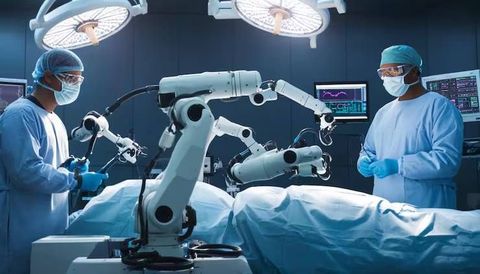
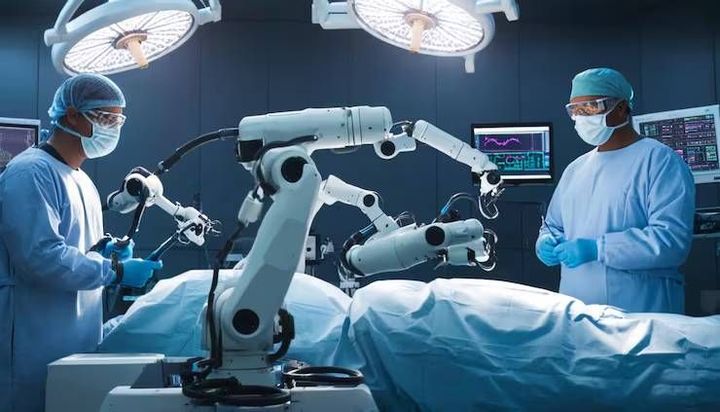
Modern surgical robots combine mechanical engineering, advanced imaging, and sophisticated software. The surgeon sits at a console and controls robotic arms that hold instruments inside the patient. High-definition 3D cameras provide a magnified, stereoscopic view of the surgical field. Wristed instruments mimic the natural movement of the human hand while filtering out tremor and scaling motion for finer control.
Many systems now incorporate force feedback or haptic cues so the surgeon can sense resistance from tissue. Real-time imaging, sometimes combined with preoperative scans, helps with navigation and planning. Newer platforms add data analytics and limited AI support for instrument tracking or tissue recognition, though the surgeon remains fully in control of every movement.
Main Types of Surgical Robot Systems
Surgical robots fall into several practical categories based on the procedures they support.
Soft-Tissue Multi-Port Systems
These are the most widely used platforms for general, urologic, gynecologic, and thoracic surgery. Multiple robotic arms enter the body through small ports. The best-known example is the da Vinci surgical system, which has set the standard for decades. Newer modular systems offer more flexible arm placement and often lower capital cost.
Single-Port and Flexible Systems
Single-port robots use one entry point for multiple instruments and a camera, reducing the number of incisions. Flexible robotic platforms are designed for natural-orifice or endoluminal procedures, such as lung biopsies or gastrointestinal interventions.
Orthopedic and Spine Systems
These robots assist with bone preparation and implant placement. Systems such as Mako use preoperative CT scans to create a 3D model and then constrain the surgeon’s tools within precise virtual boundaries. Spine robots guide screw placement and other instrumentation with high accuracy.
Specialty Platforms
Dedicated systems exist for bronchoscopy, endovascular procedures, microsurgery, and dental applications. These tend to be more compact and procedure-specific.
Manufacturing Processes and Quality Requirements
Surgical robots are complex medical devices subject to strict regulatory standards. Manufacturing involves precision machining of mechanical components, clean-room assembly of electronic and optical systems, and rigorous software validation. Instruments must meet biocompatibility and sterility requirements, often designed as single-use or limited-reuse items.
Quality control includes extensive testing for accuracy, reliability, electromagnetic compatibility, and cybersecurity. Manufacturers maintain detailed traceability of every component and software version. Production facilities operate under ISO 13485 and relevant FDA or CE marking requirements. The high cost of development and compliance helps explain the capital price of complete systems.
Leading Global Manufacturers and Suppliers
Intuitive Surgical remains the dominant player in soft-tissue robotic surgery with its da Vinci platforms, which account for the large majority of procedures performed worldwide. Medtronic has entered the market with the Hugo system, offering a modular design. CMR Surgical produces the Versius platform, known for its compact, portable arms.
In orthopedics, Stryker’s Mako system leads joint-replacement robotics, while Zimmer Biomet’s ROSA and other platforms compete in knee, hip, and spine applications. Johnson & Johnson continues development of systems such as Ottava and maintains a presence in specialized areas. Additional suppliers provide instruments, vision systems, navigation software, and service support that integrate with these platforms.
Hospitals typically evaluate systems on clinical evidence, total cost of ownership (including instruments and service contracts), training programs, and compatibility with existing operating-room workflows.
Medical Applications of Robotic Surgery
Robotic-assisted surgery is most established in urology (especially prostatectomy), gynecology (hysterectomy and related procedures), and general surgery (colorectal, hernia, and bariatric operations). Thoracic surgeons use it for lung and mediastinal procedures. Orthopedic teams rely on robotics for partial and total knee replacements as well as hip arthroplasty.
Spine surgeons use robotic guidance for pedicle screw placement. Emerging applications include complex reconstructive microsurgery, endoluminal procedures in the lung and gastrointestinal tract, and certain cardiac interventions. In each specialty the common advantages are smaller incisions, reduced blood loss, faster recovery for many patients, and improved visualization for the surgical team.
Practical Considerations for Hospitals and Surgeons
Adoption requires significant investment in equipment, instruments, and training. Surgeons typically complete a structured learning pathway that includes simulation, dry-lab practice, and proctored cases. Operating-room teams need education on setup, draping, and troubleshooting.
Total cost includes the system purchase or lease, annual service agreements, and per-procedure instrument costs. Many institutions track utilization rates, procedure volume, and clinical outcomes to justify the investment. Compatibility with existing imaging systems, electronic health records, and sterile processing workflows also influences long-term success.
Looking Ahead
Competition among platforms is increasing, which is driving improvements in modularity, cost structure, and ease of use. Smaller footprint systems and improved ergonomics make robotic surgery more accessible to a wider range of hospitals. Data analytics and limited autonomy features continue to advance under strict regulatory oversight.
Robotic surgery does not replace the surgeon. It extends the surgeon’s capabilities, enabling more precise and less invasive approaches for selected patients. Understanding the available technologies, system types, manufacturers, and proven applications helps hospitals and clinicians make informed decisions about when and how to integrate these tools into patient care.