A Clear and Practical Guide to the Backbone of Modern Manufacturing
Machine tools are fundamental to modern manufacturing and engineering. They are used to shape, cut, drill, grind, or finish metal and other materials with high precision. From small workshops to large industrial plants, machine tools play a central role in producing components for automobiles, aerospace, electronics, construction, medical devices, and everyday consumer products. At their core, machine tools convert raw materials into usable parts by removing material in a controlled way or forming it into a desired shape. The accuracy, reliability, and efficiency of machine tools directly affect product quality, production speed, and manufacturing costs. As industries demand higher precision, automation, and consistency, machine tools continue to evolve. This guide explains machine tools in a user-focused and easy-to-understand way. It covers benefits and limitations, major types and categories, recent trends and innovations, key features to evaluate, leading manufacturers and information sources, guidance on choosing the right machine tool, best-use and maintenance tips, frequently asked questions, and a practical conclusion.
Benefits of Machine Tools
1. High Precision and Accuracy
Machine tools enable precise control over dimensions, tolerances, and surface finishes, which is critical for modern manufacturing.
2. Improved Productivity
Automated and semi-automated machine tools can produce parts faster and more consistently than manual methods.
3. Consistent Quality
Once properly set up, machine tools deliver repeatable results, reducing variation and defects.
4. Versatility Across Industries
Machine tools can work with metals, plastics, composites, and other materials, making them useful across many sectors.
5. Reduced Manual Labor
Advanced machine tools reduce physical effort and dependence on highly manual processes.
6. Scalability
Machine tools are available in a wide range of sizes and capacities, from small benchtop machines to large industrial systems.
Limitations of Machine Tools
1. High Initial Investment
Advanced machine tools, especially CNC machines, can be expensive to purchase and install.
2. Skill and Training Requirements
Operators and programmers need proper training to use machine tools safely and effectively.
3. Maintenance Needs
Machine tools require regular maintenance to maintain accuracy and avoid breakdowns.
4. Space and Infrastructure Requirements
Some machines need significant floor space, power supply, and environmental control.
5. Not Always Cost-Effective for Small Volumes
For very low production volumes, the setup time and cost may outweigh benefits.
Types and Categories of Machine Tools
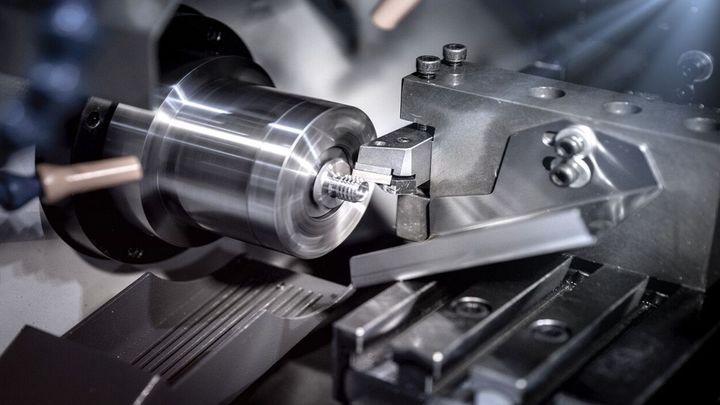
1. Turning Machines (Lathes)
Used to rotate a workpiece while a cutting tool removes material.
Common uses:
• Shafts
• Cylindrical components
2. Milling Machines
Use rotating cutting tools to remove material from a stationary workpiece.
Common uses:
• Flat surfaces
• Slots
• Complex shapes
3. Drilling Machines
Used to create holes of various sizes and depths.
Common uses:
• Fastener holes
• Precision bores
4. Grinding Machines
Used for finishing operations and achieving tight tolerances.
Common uses:
• Surface finishing
• Tool sharpening
5. CNC (Computer Numerical Control) Machines
Automated machines controlled by computer programs.
Common uses:
• High-precision and repeatable production
• Complex geometries
6. Machining Centers
Combine multiple operations such as milling, drilling, and tapping in one machine.
7. Shaping and Planing Machines
Used for producing flat surfaces using linear motion.
8. Electrical Discharge Machines (EDM)
Use electrical sparks to remove material from conductive workpieces.
9. Presses and Forming Machines
Used to shape materials through force rather than cutting.
Comparison Table: Common Machine Tool Types
| Machine Tool Type | Primary Operation | Precision Level | Typical Applications |
|---|---|---|---|
| Lathe | Turning | High | Shafts, rods |
| Milling Machine | Milling | High | Complex parts |
| Drilling Machine | Drilling | Medium | Hole making |
| Grinding Machine | Grinding | Very high | Finishing |
| CNC Machine | Multi-operation | Very high | Precision manufacturing |
| Machining Center | Combined operations | Very high | High-volume production |
| EDM | Spark erosion | Very high | Hard materials |
| Press/Forming | Shaping | Medium | Sheet metal |
Latest Trends and Innovations in Machine Tools
1. Increased Automation
Robotics, automatic tool changers, and pallet systems improve productivity and reduce manual handling.
2. Smart and Connected Machines
Sensors and connectivity enable real-time monitoring, diagnostics, and predictive maintenance.
3. Multi-Axis Machining
Five-axis and multi-axis machines allow complex parts to be produced in fewer setups.
4. Improved Energy Efficiency
Modern machines use efficient motors and control systems to reduce power consumption.
5. Integration with Digital Manufacturing
Machine tools are increasingly connected to CAD, CAM, and manufacturing execution systems.
6. Additive and Hybrid Manufacturing
Some machine tools now combine traditional machining with additive manufacturing capabilities.
7. Enhanced Safety Features
Improved enclosures, interlocks, and monitoring systems protect operators.
Key Features to Consider When Evaluating Machine Tools
1. Accuracy and Repeatability
High accuracy ensures parts meet specifications consistently.
2. Machine Capacity
Consider workpiece size, weight, and material compatibility.
3. Control System
User-friendly and reliable control systems simplify operation and programming.
4. Speed and Power
Spindle speed, feed rates, and motor power affect productivity.
5. Tooling Compatibility
Availability of tools and tool holders affects flexibility and cost.
6. Build Quality and Rigidity
A rigid machine structure improves surface finish and accuracy.
7. Automation Options
Tool changers, loaders, and robotic integration support higher efficiency.
8. Service and Support
Access to maintenance support and spare parts is essential.
Leading Machine Tool Manufacturers and Public Information Sources
The following companies are widely known for machine tools and manufacturing solutions. These links are provided for general information and public reference, not endorsements.
| Company | Known For | Public Link |
|---|---|---|
| DMG Mori | CNC machine tools | https://www.dmgmori.com |
| Mazak | Multi-tasking and CNC machines | https://www.mazak.com |
| Haas Automation | CNC machining centers | https://www.haascnc.com |
| Okuma | CNC lathes and machining centers | https://www.okuma.com |
| Makino | High-precision machining | https://www.makino.com |
| Doosan Machine Tools | CNC and automation | https://www.dnsolutions.com |
| Siemens | CNC control systems | https://www.siemens.com |
How to Choose the Right Machine Tool
Step 1: Define the Application
Identify the type of parts, materials, and production volume.
Step 2: Determine Precision Requirements
Tighter tolerances require higher-quality machines.
Step 3: Evaluate Available Space and Infrastructure
Ensure sufficient floor space, power, and environmental control.
Step 4: Select the Appropriate Machine Type
Match the machine to required operations and complexity.
Step 5: Consider Automation and Future Growth
Plan for scalability and increased production needs.
Step 6: Review Total Cost of Ownership
Include maintenance, tooling, energy, and training costs.
Step 7: Assess Vendor Support
Reliable service support reduces downtime and risk.
Selection Checklist for Machine Tools
[ ] Part types and materials defined
[ ] Required tolerances identified
[ ] Production volume estimated
[ ] Machine type selected
[ ] Space and power availability checked
[ ] Control system evaluated
[ ] Tooling compatibility confirmed
[ ] Automation options reviewed
[ ] Maintenance and service support available
[ ] Budget aligned with long-term needs
Tips for Best Use and Maintenance of Machine Tools
1. Follow Proper Setup Procedures
Correct alignment and calibration ensure accuracy and tool life.
2. Use Quality Cutting Tools
High-quality tools improve finish and reduce wear.
3. Perform Regular Maintenance
Lubrication, cleaning, and inspection prevent breakdowns.
4. Monitor Machine Performance
Early detection of vibration or noise helps avoid damage.
5. Train Operators Thoroughly
Well-trained operators improve safety and productivity.
6. Keep the Work Environment Clean
Clean surroundings reduce contamination and wear.
7. Update Software and Controls
Keeping control systems updated improves reliability.
FAQs About Machine Tools
1. What are machine tools used for?
They are used to shape, cut, and finish materials into precise components.
2. Are CNC machines better than manual machines?
CNC machines offer higher precision and productivity, while manual machines suit simpler tasks.
3. How long do machine tools last?
With proper maintenance, machine tools can operate reliably for decades.
4. Are machine tools suitable for small businesses?
Yes. Many machines are designed specifically for small workshops.
5. What materials can machine tools work with?
Common materials include steel, aluminum, plastics, and composites.
6. How important is maintenance?
Maintenance is critical for accuracy, safety, and machine lifespan.
7. Can machine tools be upgraded?
Many machines support upgrades such as new controls or automation.
Conclusion: A Practical Takeaway
Machine tools are the foundation of modern manufacturing, enabling the production of precise, reliable, and high-quality components across industries. While they require careful selection, skilled operation, and regular maintenance, their benefits in productivity, consistency, and versatility are significant.
By understanding the types of machine tools, their advantages and limitations, key features, and selection considerations outlined in this guide, users can make informed decisions that align with production goals and long-term plans. When chosen thoughtfully and used responsibly, machine tools become valuable assets that support efficiency, innovation, and growth in manufacturing operations.