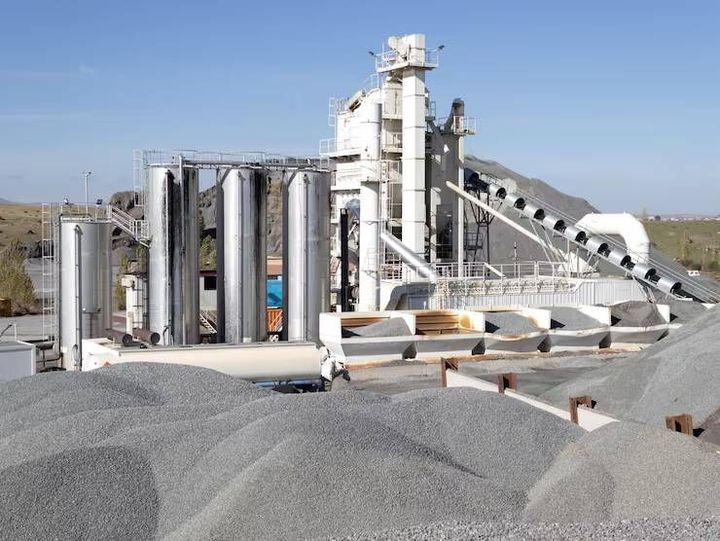
Asphalt Mixing Plants Explained: Plant Types, Mixing Technologies, Production Processes, Global Manufacturers, Suppliers and Road Construction Applications
Asphalt mixing plants sit at the heart of modern road construction. These systems heat, dry, and blend aggregates with bitumen to produce the hot mix asphalt that forms highways, airport runways, city streets, and parking lots.
Choosing the right plant affects mix quality, production speed, fuel costs, and project timelines. This guide covers the main plant types, how the mixing process works, key technologies, leading manufacturers, suppliers, and the real-world applications that drive demand.
What Is an Asphalt Mixing Plant?
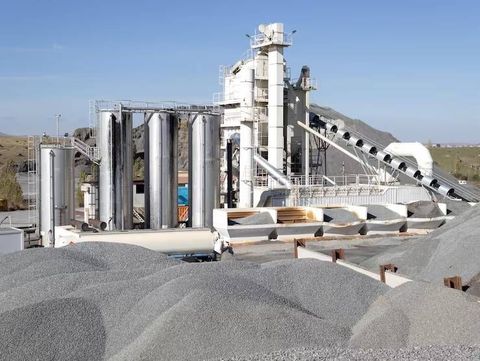
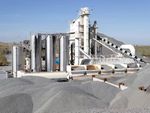
An asphalt mixing plant is a complete production unit that combines cold aggregates, filler, and liquid asphalt binder into a homogeneous hot mix. Capacities typically range from 40 tons per hour for smaller jobs to 400 tons per hour or more for large highway projects. The finished mix must meet strict temperature, grading, and binder content specifications so the pavement lasts under traffic and weather.
Contractors and producers look for reliable asphalt plant performance because downtime during a paving season can delay entire projects and raise costs. Modern plants also focus on fuel efficiency, dust control, and the ability to handle recycled asphalt pavement (RAP).
Main Types of Asphalt Mixing Plants
Asphalt plants are classified by mixing method and by mobility.
Batch Mix Asphalt Plants
Batch plants produce asphalt in discrete cycles. Aggregates are dried, screened into different sizes, weighed precisely, and then mixed with bitumen and filler in a twin-shaft pugmill for a set time—usually 40 to 50 seconds. This method offers excellent control over mix design and is preferred for high-specification work such as motorways and airport runways. Stationary batch plants dominate large, long-term projects, while mobile batch versions suit contractors who move between sites.
Drum Mix Asphalt Plants
Drum plants use continuous mixing. Aggregates travel through a rotating drum where they are dried and coated with bitumen in one continuous flow. These plants are simpler, often cheaper to operate, and deliver steady output. They work well for standard road mixes and projects that need high volumes without frequent mix changes. Both stationary and portable drum mix asphalt plant models are widely available.
Stationary vs Mobile Asphalt Plants
Stationary asphalt plants stay fixed at one location and usually offer higher capacity and more advanced environmental systems. Mobile asphalt plants are designed for quick transport and setup. They help contractors serve scattered road projects or remote sites without building permanent foundations. Many modern mobile units can be relocated and restarted within a couple of days.
How the Production Process Works
The typical production sequence follows clear steps. Cold aggregates are fed from bins onto a conveyor and enter the drying drum. A burner raises the aggregate temperature to remove moisture—usually to around 160–180 °C. Hot aggregates then move to a screening unit that separates them by size. Precise weighing systems measure each fraction, filler powder, and bitumen. In batch plants these ingredients drop into the mixer; in drum plants the coating happens continuously inside the drum. The finished hot mix is discharged into trucks or stored in insulated silos until needed on the paving site.
Accurate temperature control and weighing are critical. Even small deviations can affect pavement density and durability. Dust collection systems—usually bag filters—capture fine particles and keep emissions within legal limits.
Key Mixing Technologies and Modern Features
Recent plants incorporate several practical improvements. Twin-shaft forced mixers deliver thorough coating in short cycles. Advanced burners improve fuel efficiency and support alternative fuels. Recycled asphalt pavement systems allow high percentages of RAP to be reused, lowering material costs and environmental impact. Warm-mix asphalt technologies reduce production temperatures, cutting fuel use and emissions while still producing workable mix. Computerized control systems let operators monitor every stage, store mix recipes, and generate production reports for quality documentation.
Dust filtration, asphalt fume capture, and noise reduction features have become standard on plants serving urban or environmentally sensitive areas.
Leading Global Manufacturers of Asphalt Plants
Several established companies supply asphalt mixing plants worldwide:
- Ammann (Switzerland) is known for precise batch plants and strong recycling options.
- Astec Industries (USA) offers both continuous drum and modular portable systems popular in North America.
- Benninghoven (Germany, part of Wirtgen Group) focuses on high-capacity batch plants with advanced environmental systems.
- Marini (Italy, Fayat Group) provides flexible batch and continuous solutions with good RAP capability.
- Sany, NFLG, XCMG, and other Chinese manufacturers supply a wide range of stationary and mobile plants at competitive prices and are active in many international markets.
Other recognized names include Lintec, Parker, and various specialized regional builders. When comparing asphalt plant manufacturers, buyers usually examine capacity range, fuel consumption figures, after-sales service network, spare parts availability, and the ability to handle local fuel and aggregate types.
Finding Reliable Asphalt Mixing Plant Suppliers
Asphalt mixing plant suppliers include original manufacturers, authorized dealers, and independent equipment traders. Good suppliers help with site layout, foundation design, operator training, and commissioning. They also provide ongoing technical support and spare parts.
Contractors often evaluate suppliers on delivery lead times, warranty terms, local service presence, and the option to add recycling or warm-mix modules later. Visiting operating plants and speaking with existing users remains one of the most reliable ways to judge real-world performance before purchase.
Road Construction Applications
Asphalt mixing plants support nearly every type of paved surface. Highways and expressways demand high-volume, high-quality mixes produced by large stationary or high-capacity mobile plants. Urban roads and municipal projects often use mid-range plants that can switch mix designs as needed. Airport runways require especially strict temperature and grading control, which favors advanced batch plants. Parking lots, industrial yards, and rural road programs commonly rely on mobile or smaller stationary units that can move with the work.
Maintenance and rehabilitation projects increasingly use plants equipped for high RAP content, allowing agencies to recycle existing pavement into new overlays and reduce the need for virgin materials.
Choosing the Right Asphalt Plant for Your Project
Start by matching plant capacity to daily paving needs and available truck fleet. Consider how often the plant will move, the quality standards required by the contract, local environmental rules, and fuel availability. Calculate total cost of ownership—fuel, maintenance, labor, and potential downtime—rather than focusing only on purchase price. Plants that support RAP and warm-mix technology often deliver better long-term economics and help meet sustainability goals.
Whether you need a high-precision batch mix asphalt plant for a major highway or a flexible mobile asphalt plant for regional road work, understanding the types, processes, manufacturers, and applications makes selection clearer and reduces the risk of costly mismatches. The right asphalt mixing plant keeps production steady, mix quality consistent, and road projects on schedule.