Industrial Spare Parts Explained: Types, Components, Manufacturing Processes, Global Manufacturers, Suppliers and Industrial Applications
Industrial spare parts are essential components used to maintain, repair, and restore machinery, production equipment, and industrial systems. They include mechanical components, electrical parts, hydraulic assemblies, pneumatic devices, bearings, seals, motors, gears, and replacement units. Manufacturing facilities across industries depend on these components to maintain equipment functionality, manage maintenance requirements, and support continuous production operations.
Industrial spare parts are used in manufacturing plants, automotive production facilities, power generation stations, construction equipment, chemical processing plants, mining operations, and packaging industries. Their availability and technical compatibility influence machinery maintenance, equipment reliability, and production planning. Different components are manufactured using processes such as casting, forging, machining, molding, fabrication, and precision engineering.
Understanding industrial spare parts requires knowledge of component categories, materials, manufacturing technologies, technical specifications, and distribution networks. This guide explains common industrial spare parts, their manufacturing processes, global manufacturers and suppliers, industrial applications, quality standards, procurement considerations, and developments in the industrial replacement parts market.
Understanding the Industrial Spare Parts Industry
Industrial spare parts are individual components or assemblies used to replace damaged, worn, outdated, or malfunctioning machinery parts. They help industrial operators maintain equipment functionality without replacing complete machines or production systems.
The industry includes original equipment manufacturers (OEMs), aftermarket component manufacturers, industrial distributors, engineering companies, replacement part suppliers, and specialized machining businesses.
Spare parts are generally classified according to their function, operating environment, material composition, and equipment compatibility. Some components are standardized and available in different dimensions, while others are custom-engineered for specific machinery models.
Industrial spare parts management is also connected to maintenance planning, inventory control, equipment lifecycle management, and production scheduling. Businesses often maintain inventories of frequently used components to reduce delays associated with equipment repairs.
Main Types of Industrial Spare Parts
Industrial machinery contains different mechanical, electrical, and fluid-control components. Each category performs a specific function within an equipment system.
Mechanical Spare Parts
Mechanical spare parts support movement, force transmission, structural stability, and machine operation.
Common mechanical components include:
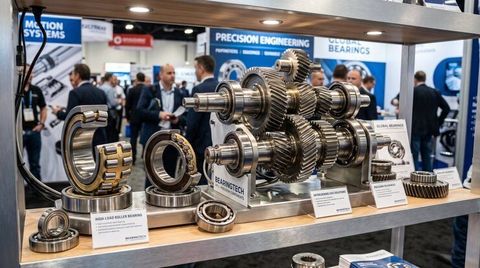
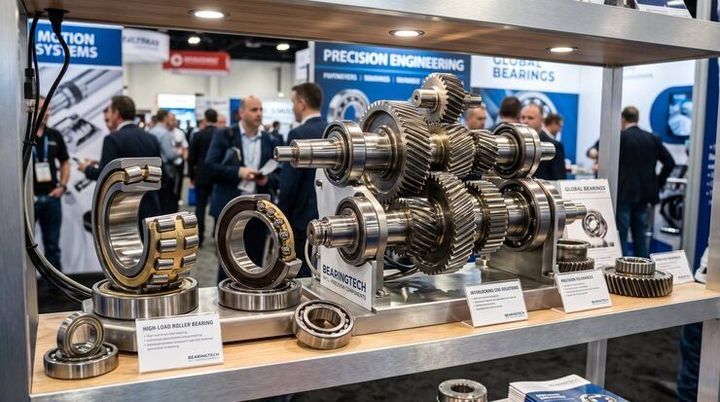
Bearings and bearing housings.
Gears, gearboxes, and gear shafts.
Couplings and mechanical connectors.
Belts, chains, and pulleys.
Shafts, rollers, and bushings.
Fasteners, bolts, nuts, and washers.
These components are widely used in conveyor systems, industrial motors, pumps, compressors, machine tools, and material-handling equipment.
Electrical and Electronic Spare Parts
Electrical and electronic components control power distribution, machine operation, automation, and monitoring functions.
Common examples include electric motors, contactors, relays, circuit breakers, sensors, switches, transformers, control panels, and programmable logic controller (PLC) modules.
Industrial automation systems also use variable frequency drives (VFDs), servo drives, encoders, and electronic control units. Compatibility with voltage, current, communication protocols, and equipment specifications is important when evaluating replacement components.
Hydraulic Spare Parts
Hydraulic systems use pressurized fluids to transmit power and operate machinery. They are commonly found in construction equipment, industrial presses, injection molding machines, and material-handling systems.
Important hydraulic spare parts include:
Hydraulic pumps and motors.
Directional control valves.
Pressure relief valves.
Hydraulic cylinders.
Hoses and fittings.
Filters and sealing components.
These components must be compatible with operating pressure, fluid type, temperature, and flow requirements.
Pneumatic Spare Parts
Pneumatic components use compressed air to operate industrial machinery and automation equipment.
Common pneumatic spare parts include air cylinders, solenoid valves, regulators, filters, lubricators, pneumatic fittings, compressors, and air hoses.
They are frequently used in packaging machines, assembly lines, robotic systems, and automated production equipment.
Industrial Seals and Gaskets
Seals and gaskets prevent leakage, contamination, and unwanted fluid or gas movement between connected components.
Common categories include mechanical seals, O-rings, oil seals, rubber gaskets, spiral-wound gaskets, and hydraulic seals.
Material selection depends on temperature, pressure, chemical compatibility, friction, and operating conditions.
Industrial Spare Parts Manufacturing Processes
Industrial spare parts manufacturing involves several production technologies. The selected process depends on component geometry, material properties, dimensional accuracy, production volume, and intended operating conditions.
CNC Machining and Precision Engineering
Computer Numerical Control (CNC) machining is widely used to manufacture precision industrial components. CNC machines use programmed instructions to control cutting tools and produce parts according to engineering drawings.
Common machining operations include:
CNC turning for cylindrical components, shafts, and bushings.
CNC milling for housings, brackets, and machine components.
CNC drilling for holes and mounting features.
CNC grinding for precision surfaces and dimensional accuracy.
CNC boring for internal cylindrical surfaces.
These processes are used for replacement gears, pump components, industrial shafts, machine fixtures, and specialized mechanical assemblies.
Casting and Forging
Casting involves pouring molten metal into a prepared mold to produce components with specific shapes. It is commonly used for pump housings, valve bodies, machine frames, and heavy industrial components.
Forging involves shaping heated or sometimes cold metal through compressive forces. Forged components are used in applications requiring suitable strength and structural integrity, including industrial shafts, gears, connecting components, and heavy machinery parts.
Injection Molding and Polymer Manufacturing
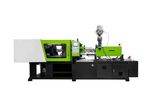
Injection molding is used to manufacture plastic and polymer-based industrial components. The process involves injecting molten material into a mold, allowing it to cool, and removing the finished component.
Typical applications include plastic gears, equipment covers, protective housings, fittings, cable management components, and machine enclosures.
Sheet Metal Fabrication and Welding
Sheet metal fabrication involves cutting, bending, punching, forming, and joining metal sheets to produce industrial components.
Manufacturers use laser cutting, plasma cutting, press brakes, stamping equipment, and welding technologies to produce brackets, machine guards, equipment panels, support structures, and industrial enclosures.
Surface Treatment and Finishing
Surface treatment improves particular properties of industrial spare parts, including corrosion resistance, wear resistance, and surface hardness.
Common processes include:
Electroplating and galvanizing.
Powder coating and industrial painting.
Heat treatment and hardening.
Anodizing for suitable aluminium components.
Polishing and surface grinding.
The appropriate treatment depends on the component material and its working environment.
Materials Used in Industrial Spare Parts
Material selection influences the mechanical properties, operating life, and compatibility of replacement components.
Material | Main characteristics | Common applications |
|---|---|---|
Stainless steel | Corrosion resistance and strength | Pumps, valves, food processing equipment |
Carbon steel | Strength and machinability | Shafts, gears, structural components |
Aluminium alloys | Lower weight and machinability | Housings, brackets, machine enclosures |
Cast iron | Wear characteristics and vibration damping | Machine bases, pump housings |
Engineering plastics | Chemical resistance and low friction in suitable grades | Bushings, seals, protective components |
Rubber and elastomers | Flexibility and sealing properties | Gaskets, O-rings, vibration mounts |
Bronze and brass | Useful bearing and corrosion characteristics in selected environments | Bushings, fittings, valve components |
Material specifications should consider operating temperature, mechanical loads, chemical exposure, pressure, and environmental conditions.
Global Industrial Spare Parts Manufacturers and Suppliers
The global industrial spare parts market includes original equipment manufacturers, specialized component manufacturers, engineering businesses, and aftermarket suppliers.
Some internationally recognized industrial component manufacturers include:
SKF: Produces bearings, seals, lubrication systems, and rotating equipment-related components.
Schaeffler: Manufactures rolling bearings, precision components, and industrial motion products.
Bosch Rexroth: Provides hydraulic, pneumatic, and industrial automation components.
Parker Hannifin: Manufactures motion control, filtration, hydraulic, and pneumatic technologies.
Danfoss: Develops hydraulic, electrical, and industrial control components.
Siemens: Supplies industrial automation, electrical equipment, drives, and control technologies.
ABB: Manufactures motors, drives, electrical equipment, and automation technologies.
Emerson: Develops industrial control, instrumentation, and process equipment technologies.
These companies operate in different industrial component categories. Their product portfolios are not interchangeable, and equipment compatibility must be established using technical documentation.
OEM and Aftermarket Spare Parts Suppliers
Industrial spare parts are generally available through two major commercial supply channels.
Original Equipment Manufacturer (OEM) suppliers: These businesses manufacture or distribute components associated with the original machinery manufacturer. OEM parts are generally identified through equipment models, product codes, technical drawings, and manufacturer specifications.
Aftermarket manufacturers and suppliers: These companies produce replacement components compatible with existing industrial equipment. Their products may follow established industry dimensions or be manufactured according to engineering drawings.
Other supply channels include authorized distributors, industrial wholesalers, regional engineering companies, and custom component manufacturers.
Industrial Applications of Spare Parts
Industrial spare parts support machinery across different production environments.
Manufacturing and Production Facilities
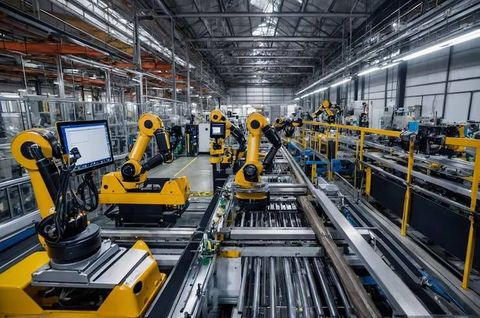
Manufacturing plants use bearings, gears, motors, belts, fasteners, sensors, hydraulic components, and pneumatic assemblies. These parts support production machinery, automated assembly lines, packaging equipment, and material-handling systems.
Automotive and Heavy Vehicle Industries
Automotive manufacturing facilities require replacement components for assembly equipment, robotic systems, conveyors, presses, and industrial automation machinery.
Heavy vehicles and construction equipment also require hydraulic pumps, filters, transmission components, seals, brake assemblies, and engine-related replacement parts.
Oil, Gas, and Chemical Processing
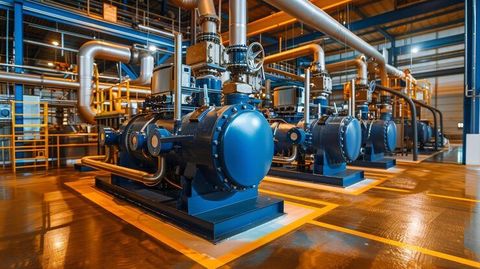
Oil, gas, and chemical facilities use specialized valves, pumps, pressure-control components, mechanical seals, filters, gaskets, and corrosion-resistant fittings.
Material compatibility and operating pressure are particularly important because equipment may operate under demanding temperatures, chemical exposure, and pressure conditions.
Power Generation and Energy
Power generation facilities depend on turbines, generators, motors, bearings, cooling equipment, electrical components, and control systems.
Replacement components must meet the technical and operational requirements of the equipment in which they are installed.
Mining and Construction
Mining and construction operations use heavy-duty equipment that requires hydraulic components, conveyor rollers, gearboxes, wear plates, cutting elements, filters, and mechanical assemblies.
These components operate in environments involving vibration, dust, heavy loads, and abrasive materials.
Food Processing and Pharmaceutical Manufacturing
Food processing and pharmaceutical facilities use specialized pumps, valves, seals, conveyors, motors, and stainless steel equipment components.
Material selection, cleanability, corrosion resistance, and applicable hygiene requirements are important considerations in these environments.
Industry Trends and Developments During 2024–2026
Industrial spare parts manufacturing is evolving through changes in production technology, maintenance planning, and supply chain management.
Important developments include:
Additive manufacturing: Industrial 3D printing is being explored for producing selected replacement components, particularly specialized parts with complex geometries.
Predictive maintenance: Sensors and equipment monitoring technologies help identify developing mechanical problems before component failure.
Digital inventory management: Industrial businesses increasingly use software to track part numbers, stock quantities, equipment compatibility, and procurement requirements.
Localized manufacturing: Regional manufacturing networks can support selected replacement component requirements and reduce dependence on distant production facilities.
Advanced CNC technologies: Multi-axis machining, automated inspection, and improved production controls support precision component manufacturing.
Supply chain resilience: Businesses increasingly evaluate alternative suppliers, component availability, and equipment obsolescence when planning spare parts inventories.
Additive manufacturing does not replace every traditional manufacturing process. Material performance, certification, dimensional accuracy, and operating conditions determine whether a printed component is appropriate for a particular application.
Quality Standards and Technical Requirements
Industrial spare parts manufacturers follow different quality and technical requirements depending on the industry and component category.
ISO 9001 provides a general framework for quality management systems. Other technical standards may apply to particular products, materials, dimensions, and industrial applications.
Important quality considerations include:
Dimensional accuracy and manufacturing tolerances.
Material composition and mechanical properties.
Surface finish and hardness.
Pressure and temperature compatibility.
Inspection and testing procedures.
Material certification and batch traceability.
Equipment-specific technical documentation.
For critical machinery, replacement parts may require additional engineering approval and verification before installation.
Important Factors When Selecting Industrial Spare Parts
Selecting industrial spare parts requires more than identifying a component by its general name.
Equipment compatibility: Verify the equipment model, serial number, component identification, dimensions, and manufacturer specifications.
Material suitability: Evaluate strength, hardness, corrosion resistance, chemical compatibility, and operating temperature.
Manufacturing quality: Review dimensional inspection, material documentation, production controls, and testing procedures.
OEM versus aftermarket options: Consider technical compatibility, documentation, operating requirements, and supplier qualifications.
Supplier capabilities: Examine manufacturing capacity, product range, inventory availability, technical support, and delivery arrangements.
Inventory planning: Identify frequently replaced components, critical machinery parts, and items with longer procurement lead times.
A common mistake is selecting a replacement component based only on appearance or external dimensions. Differences in material grade, internal geometry, pressure ratings, and tolerances can affect equipment operation.
Frequently Asked Questions
What are the main types of industrial spare parts?
The main categories include mechanical, electrical, hydraulic, pneumatic, electronic, and sealing components. Each category supports specific machinery functions, including power transmission, automation, fluid control, and equipment protection.
What is the difference between OEM and aftermarket spare parts?
OEM spare parts are manufactured or supplied through the original equipment manufacturer. Aftermarket spare parts are produced by other manufacturers and may be designed to match particular equipment specifications.
Which manufacturing processes are used for industrial spare parts?
Common processes include CNC machining, casting, forging, injection molding, sheet metal fabrication, welding, and surface treatment. The manufacturing method depends on component design, material, production quantity, and technical requirements.
Which industries require industrial replacement parts?
Manufacturing, automotive, construction, mining, oil and gas, chemical processing, power generation, food processing, and pharmaceutical industries all use industrial replacement components.
How can industrial spare parts suppliers be evaluated?
Supplier evaluation generally considers manufacturing capabilities, material quality, technical documentation, component compatibility, inspection procedures, inventory availability, and delivery arrangements.
Conclusion
Industrial spare parts are essential components for maintaining machinery, production equipment, and industrial infrastructure. Their categories include mechanical, electrical, hydraulic, pneumatic, and specialized replacement components manufactured through processes such as CNC machining, casting, forging, molding, and fabrication. Global OEM manufacturers, aftermarket producers, and industrial distributors contribute to the supply chain across different industries. Understanding material specifications, manufacturing quality, technical compatibility, inventory requirements, and supplier capabilities helps businesses evaluate industrial replacement parts and equipment maintenance requirements.