Injection Molding Machines Explained: Machine Types, Manufacturing Processes, Molding Technologies, Global Manufacturers, Suppliers and Industrial Applications
Injection molding machines are specialized industrial equipment used to manufacture plastic components by injecting molten material into precision-designed molds. These machines are widely used in automotive manufacturing, consumer electronics, packaging, medical equipment, household products, and industrial component production. Different machine configurations, clamping capacities, injection systems, and automation technologies support a broad range of manufacturing requirements.
The injection molding industry has developed through improvements in hydraulic systems, electric drives, precision controls, mold engineering, and automated production technologies. Modern equipment can process different polymer materials, produce complex component geometries, and maintain consistent manufacturing conditions across repeated production cycles. Machine manufacturers also develop specialized systems for high-speed packaging, micro-molding, multi-material production, and large industrial components.
Understanding injection molding machine types, operating principles, manufacturing processes, technical specifications, and equipment suppliers is important for evaluating industrial production requirements. This guide examines hydraulic, electric, hybrid, vertical, and horizontal machines, major molding technologies, machine components, global manufacturers, industrial applications, quality considerations, and developments in the injection molding equipment market.
Understanding Injection Molding Machines and Their Industrial Importance
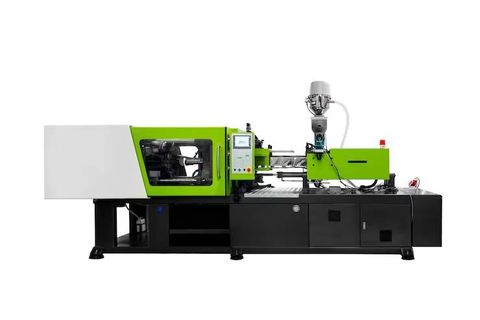
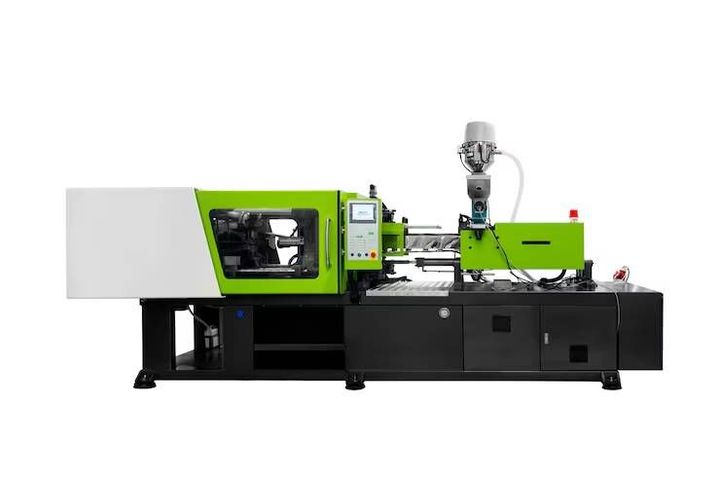
An injection molding machine, also known as an injection press, is industrial equipment that converts polymer materials into finished components through a controlled molding process. The machine heats and plasticizes the material before injecting it into a closed mold cavity, where it cools or solidifies into the required shape.
A typical injection molding system consists of an injection unit, clamping unit, drive mechanism, control system, mold assembly, and supporting auxiliary equipment. Each component performs a specific function during the manufacturing cycle.
Injection molding is particularly important for industries requiring repeatable component dimensions, complex shapes, detailed surface finishes, and relatively high production volumes.
Common products manufactured using this technology include:
Automotive dashboards, connectors, interior panels, and housings.
Electrical switches, circuit protection enclosures, and electronic casings.
Packaging containers, bottle caps, closures, and food-grade components.
Medical consumables, laboratory components, and diagnostic equipment housings.
Household containers, furniture components, and appliance parts.
Industrial gears, mechanical housings, fittings, and protective covers.
Main Types of Injection Molding Machines
Injection molding machines are classified according to their drive systems, clamping mechanisms, physical configurations, and intended manufacturing applications.
Hydraulic Injection Molding Machines
Hydraulic injection molding machines use hydraulic pumps, cylinders, and pressure-control systems to operate the injection and clamping mechanisms.
These machines are widely used in general-purpose plastic manufacturing because they can accommodate different mold sizes, materials, and production requirements.
Their characteristics include high clamping force capabilities, established industrial operating principles, and compatibility with various mold configurations. Hydraulic equipment requires appropriate oil filtration, temperature management, leakage prevention, and regular maintenance.
Electric Injection Molding Machines
Electric injection molding machines use servo motors and precision drive systems to control major machine movements.
They are commonly used in applications requiring accurate positioning, repeatable injection conditions, and controlled production cycles. Their applications include medical components, electronics, precision engineering parts, and packaging products.
Electric machines can reduce hydraulic oil-related maintenance requirements and provide precise movement control. Their technical configuration and initial equipment expenditure vary according to machine capacity and manufacturer specifications.
Hybrid Injection Molding Machines
Hybrid injection molding machines combine electric and hydraulic technologies. Different machine movements may use electric drives, while selected operations use hydraulic mechanisms.
This arrangement can provide a balance between injection performance, clamping force, precision, and energy management.
Hybrid machines are used in automotive components, industrial products, packaging, and engineering plastics manufacturing. Their operating characteristics depend on the specific combination of drive technologies.
Horizontal and Vertical Injection Molding Machines
Horizontal machines have a horizontally arranged clamping unit and are widely used for conventional plastic component manufacturing.
Vertical injection molding machines have a vertically arranged clamping system. They are particularly useful for insert molding, where metal or other components are positioned inside the mold before plastic injection.
Vertical configurations can also support specialized overmolding applications and certain automated assembly processes.
Two-Platen and High-Speed Machines
Two-platen injection molding machines use a clamping arrangement with two principal platens rather than the conventional three-platen configuration. They are commonly considered for large molds and applications requiring substantial clamping forces.
High-speed injection molding machines are designed for rapid production cycles and controlled material filling. They are particularly relevant to thin-wall packaging, disposable containers, and selected high-volume consumer products.
Injection Molding Machine Types Comparison
| Machine type | Operating technology | Common industrial applications |
|---|---|---|
| Hydraulic | Hydraulic pumps and cylinders | General plastic manufacturing |
| Electric | Servo motors and electric drives | Precision and medical components |
| Hybrid | Combined hydraulic and electric drives | Automotive and engineering components |
| Vertical | Vertical clamping arrangement | Insert molding and overmolding |
| Horizontal | Horizontal clamping arrangement | Packaging and general plastic parts |
| Two-platen | Two-platen clamping mechanism | Large industrial components |
| High-speed | Rapid injection and controlled movements | Thin-wall packaging |
Injection Molding Manufacturing Process Explained
The injection molding manufacturing process involves several coordinated stages. Each stage influences component dimensions, material distribution, surface quality, and production consistency.
Material Feeding and Preparation
Plastic resin generally arrives in pellet or granule form. The material is transferred into the machine hopper, which feeds the injection unit.
Some polymer materials require drying before processing because moisture can affect melting behaviour, surface appearance, and mechanical properties. Material dryers, dehumidifiers, and automatic loaders are commonly integrated into production systems.
Plasticizing and Melting
The material enters a heated barrel containing a rotating reciprocating screw. Barrel heaters and mechanical friction generate the heat required to soften and melt the polymer.
The rotating screw transports, mixes, and prepares a measured quantity of molten material for injection.
Injection and Mold Filling
The machine moves the screw forward, forcing molten polymer through the nozzle and into the mold cavity.
The injection process requires controlled pressure, speed, temperature, and material flow. Mold gates and runner systems distribute the polymer into the required cavity areas.
Packing and Cooling
After filling, additional pressure is applied to compensate for material shrinkage during cooling.
Cooling channels inside the mold circulate temperature-controlled water or another suitable cooling medium. The polymer gradually solidifies and develops the required component shape.
Mold Opening and Component Ejection
Once the material reaches an appropriate solidification condition, the clamping unit opens the mold.
Ejector pins, plates, or specialized mechanisms remove the finished component. The mold then closes again, preparing the machine for another production cycle.
Important Molding Technologies and Specialized Processes
Modern injection molding operations use different technologies to manufacture components with specialized material, structural, and dimensional requirements.
Insert Molding
Insert molding involves placing a metal, electrical, or other component inside a mold before injecting polymer around it.
The process is used for electrical connectors, threaded components, automotive fittings, and mechanical assemblies.
Overmolding
Overmolding involves molding an additional material over an existing component or substrate. It can combine materials with different flexibility, surface characteristics, or functional properties.
Common applications include tool handles, protective grips, electrical connectors, and consumer product components.
Gas-Assisted Injection Molding
Gas-assisted injection molding introduces controlled gas pressure into selected sections of the molten polymer. This can create hollow internal sections in appropriate component designs.
It is used in certain automotive structures, furniture components, handles, and large plastic housings.
Two-Shot and Multi-Component Molding
Two-shot molding uses specialized equipment with multiple injection units to introduce different materials or colours during a coordinated manufacturing cycle.
It is used for dual-colour components, ergonomic handles, seals, and products requiring different material characteristics within one assembly.
Micro-Injection Molding
Micro-injection molding is designed for producing very small plastic components with precise dimensional requirements.
Its applications include medical instruments, micro-connectors, electronics, miniature mechanical parts, and specialized laboratory components.
Machine Components and Supporting Industrial Equipment
An injection molding machine operates as part of a larger manufacturing system. Several components and auxiliary machines contribute to production quality and operational stability.
Important equipment includes:
Injection screw and barrel: Melt, mix, transport, and meter polymer material.
Clamping unit: Holds mold halves together during injection and cooling.
Mold assembly: Defines the shape, dimensions, and surface characteristics of the finished component.
Servo motor and hydraulic systems: Control machine movement and operating pressure.
Temperature controllers: Maintain suitable mold and process temperatures.
Industrial chillers: Support cooling requirements.
Material dryers: Reduce moisture in hygroscopic polymer materials.
Robotic handling systems: Remove molded components and transfer them to subsequent production operations.
Process monitoring systems: Record operating parameters and identify variations during production.
Global Injection Molding Machine Manufacturers and Suppliers
The international injection molding equipment market includes manufacturers from Germany, Japan, China, Austria, the United States, and other industrial manufacturing regions.
Recognized equipment manufacturers include:
ARBURG: German manufacturer of injection molding machines and integrated manufacturing systems.
ENGEL: Austrian manufacturer of injection molding equipment, automation systems, and production technologies.
Haitian International: Chinese manufacturer of hydraulic, electric, and hybrid injection molding machines.
NISSEI Plastic Industrial: Japanese manufacturer specializing in injection molding machinery and related technologies.
Sumitomo (SHI) Demag: Manufacturer of electric and hydraulic injection molding equipment.
Milacron: Industrial equipment company associated with injection molding machines and plastics processing technologies.
Husky Technologies: Supplier of injection molding equipment and integrated systems for packaging and other applications.
KraussMaffei: German industrial equipment manufacturer with plastics processing and injection molding technologies.
JSW (Japan Steel Works): Manufacturer of injection molding machinery and industrial equipment.
Chen Hsong: Hong Kong-based manufacturer of injection molding machines for different industrial applications.
These companies operate across different equipment categories, machine capacities, automation configurations, and technical specifications. Their product portfolios should be evaluated according to actual manufacturing requirements rather than brand recognition alone.
Industrial Applications of Injection Molding Machines
Injection molding equipment supports production across several industrial sectors.
Automotive manufacturing: Produces interior panels, dashboard components, connectors, protective housings, clips, and structural plastic parts.
Medical equipment manufacturing: Supports the production of selected medical consumables, diagnostic housings, laboratory components, and precision plastic instruments. Applicable material and cleanliness requirements depend on the intended medical application.
Packaging manufacturing: Produces containers, caps, closures, thin-wall packaging, and various consumer packaging components.
Electrical and electronics: Manufactures switch housings, connectors, insulation components, protective enclosures, and electronic product casings.
Consumer goods: Supports the production of kitchenware, household containers, furniture components, toys, and appliance parts.
Industrial engineering: Produces gears, fittings, protective covers, mechanical housings, and specialized engineering plastic components.
Industry Trends and Developments During 2024–2026
Injection molding technology continues to develop through improvements in automation, process monitoring, material engineering, and energy management.
Several important developments include:
Electric machine technology: Greater attention to servo-driven equipment, precision movement, and energy management.
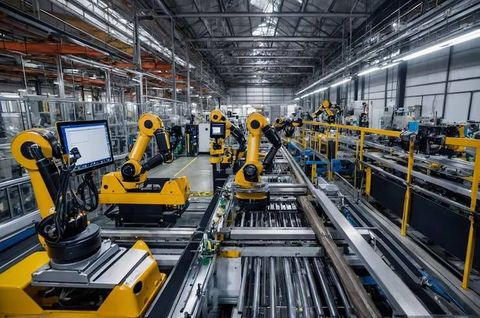
Industrial automation: Increasing integration of robotic part removal, automated material handling, and production-line monitoring.
Digital manufacturing: Machine connectivity, process data collection, and predictive maintenance technologies are becoming important in modern production environments.
Recycled polymer processing: Equipment development increasingly considers recycled resins and material blends, although processing requirements vary by polymer quality.
Multi-material production: Specialized molding systems support products combining different polymers, colours, and functional characteristics.
Precision manufacturing: Improved process controls and mold engineering support demanding dimensional and surface requirements.
Regulations, Quality Standards, and Industrial Safety
Injection molding equipment must meet applicable machinery safety, electrical, and workplace requirements in the country where it is installed and operated.
ISO 20430:2020 establishes safety requirements for injection molding machines used for processing plastics and rubber. It addresses important machine-related hazards and protective measures.
Manufacturing facilities may also apply ISO 9001 quality management systems to production and inspection procedures. ISO 14001 can provide an environmental management framework for facilities managing energy, materials, and industrial waste.
In India, manufacturers and factory operators must consider applicable occupational safety requirements, electrical safety provisions, machinery guarding, and relevant factory regulations.
Important safety measures include emergency stops, interlocked guards, safe mold-changing procedures, protection against hot polymer, and controlled access to moving machine components.
Important Factors When Evaluating Injection Molding Machines
Selecting industrial injection molding equipment requires evaluating the machine, mold, material, production volume, and finished component requirements together.
Clamping force: The machine must generate sufficient force to keep the mold closed during injection. Required capacity depends on projected part area, cavity pressure, and mold configuration.
Injection capacity: Shot capacity must accommodate the required material volume, including runners where applicable.
Material compatibility: Barrel, screw, nozzle, and temperature specifications must be suitable for the intended polymer.
Mold dimensions: Platen size, tie-bar spacing, mold thickness, and opening stroke must match the tooling requirements.
Production requirements: Cycle time, output volume, dimensional accuracy, and automation compatibility influence machine configuration.
Maintenance and operating requirements: Hydraulic systems, electrical components, screw assemblies, cooling systems, and auxiliary equipment require appropriate maintenance planning.
Supplier evaluation: Technical documentation, installation arrangements, spare-parts availability, operator training, warranty conditions, and equipment support should be considered when evaluating machine manufacturers and suppliers.
Frequently Asked Questions
What is an injection molding machine used for?
An injection molding machine manufactures plastic components by injecting molten polymer into a mold cavity. It is used in automotive, medical, packaging, electronics, household, and industrial manufacturing.
What are the main types of injection molding machines?
The main types include hydraulic, electric, hybrid, vertical, horizontal, two-platen, and high-speed machines. Each configuration has different operating characteristics and industrial applications.
What is the difference between hydraulic and electric injection molding machines?
Hydraulic machines use pumps and cylinders to generate machine movement and operating force. Electric machines use servo motors for controlled movement and precise positioning. Their suitability depends on production requirements, machine capacity, and operating conditions.
Which materials can injection molding machines process?
Common materials include polypropylene (PP), polyethylene (PE), ABS, polystyrene (PS), polycarbonate (PC), nylon, POM, and other engineering polymers. Specialized machines can also process elastomers, liquid silicone rubber, and selected thermosetting materials.
Who are the major global injection molding machine manufacturers?
Recognized manufacturers include ARBURG, ENGEL, Haitian International, NISSEI Plastic Industrial, Sumitomo (SHI) Demag, Milacron, Husky Technologies, KraussMaffei, JSW, and Chen Hsong.
Conclusion
Injection molding machines are essential industrial equipment for manufacturing plastic components across automotive, medical, packaging, electronics, and consumer goods industries. Hydraulic, electric, hybrid, vertical, horizontal, and specialized machine configurations address different production requirements. Improvements in automation, digital controls, precision molding, and material processing continue to influence equipment development. Understanding machine specifications, molding processes, material compatibility, safety standards, and supplier capabilities provides a foundation for evaluating injection molding technologies and industrial production systems.