Insulin Manufacturing Explained: Production Processes, Recombinant Technologies, Pharmaceutical Formulations, Global Manufacturers, Suppliers and Industrial Applications
Insulin manufacturing is a specialized pharmaceutical production process involving biotechnology, genetic engineering, fermentation, purification, and formulation technologies. Insulin is a hormone that regulates blood glucose levels by helping cells absorb and use glucose for energy. Pharmaceutical insulin products are developed for people whose bodies cannot produce sufficient insulin or use it effectively.
Historically, insulin for medical use was extracted from the pancreases of animals such as cattle and pigs. The introduction of recombinant DNA technology transformed pharmaceutical production by allowing manufacturers to produce human insulin using genetically engineered microorganisms. This development supported more standardized manufacturing processes and the production of different insulin formulations.
Today, insulin manufacturing involves advanced bioprocessing facilities, controlled production environments, specialized purification equipment, sterile filling systems, and pharmaceutical quality management. These processes are used by biotechnology and pharmaceutical companies supplying healthcare markets worldwide.
Why Insulin Manufacturing Matters in Modern Healthcare
Insulin is an important medicine in diabetes management. Its pharmaceutical production requires specialized technologies because the active ingredient is a protein that must retain its biological activity throughout manufacturing, storage, and distribution.
Insulin manufacturing also supports healthcare systems by providing different formulations designed around specific medical requirements.
Major applications include:
Diabetes Management: Insulin formulations are used in the management of diabetes when insulin therapy is medically required.
Blood Glucose Regulation: Insulin helps regulate glucose levels by supporting glucose uptake and metabolism.
Hospital Care: Insulin products are used in supervised clinical settings for patients requiring glucose management.
Long-Term Treatment: Different formulations support individualized treatment plans.
Pharmaceutical Research: Insulin biotechnology contributes to research involving protein engineering, drug delivery, and biopharmaceutical development.
Reliable manufacturing is important because variations in product quality, biological activity, or sterility can affect patient safety.
Major Types of Insulin and Pharmaceutical Formulations
Pharmaceutical insulin products are classified according to their action profiles, molecular characteristics, and formulation technologies.
Rapid-Acting Insulin
Rapid-acting insulin formulations are designed to begin working relatively quickly after administration. They are commonly used in relation to mealtimes as part of medically supervised diabetes management.
Their development involves formulation characteristics that influence absorption and activity.
Short-Acting Insulin
Short-acting insulin, commonly referred to as regular insulin, has a different absorption and activity profile from rapid-acting formulations.
It is available in specific pharmaceutical preparations for clinical use.
Intermediate-Acting Insulin
Intermediate-acting insulin formulations are designed to provide a longer period of activity than short-acting preparations.
Their formulation may involve substances that modify insulin absorption characteristics.
Long-Acting Insulin
Long-acting insulin products are developed to provide extended glucose-regulating activity. Their molecular structure or formulation characteristics influence how the active ingredient behaves after administration.
Premixed Insulin Formulations
Premixed insulin products combine different insulin components in a defined proportion. These formulations are developed to provide more than one activity profile within a single pharmaceutical preparation.
Insulin Category | General Characteristics | Pharmaceutical Application |
|---|---|---|
Rapid-acting | Relatively quick onset | Mealtime glucose management |
Short-acting | Shorter activity profile | Specific insulin therapy requirements |
Intermediate-acting | Extended activity compared with short-acting | Background glucose management |
Long-acting | Prolonged activity | Basal insulin therapy |
Premixed | Combination of insulin components | Combined activity profiles |
Insulin Manufacturing Processes and Production Technologies
Insulin manufacturing generally involves recombinant biotechnology, controlled fermentation, protein recovery, purification, formulation, and sterile packaging.
The production process depends on the insulin molecule and the manufacturer's approved manufacturing technology.
Recombinant DNA Technology
Recombinant DNA technology is widely used in modern human insulin production.
The general process involves introducing genetic information responsible for insulin production into a suitable host organism. Genetically engineered microorganisms, such as selected strains of Escherichia coli or yeast, can then produce insulin-related proteins under controlled conditions.
The main stages include:
Preparation of the genetic construct.
Introduction of the genetic material into the host organism.
Selection and development of suitable production strains.
Cultivation under controlled manufacturing conditions.
Recovery of the insulin-related protein.
Different manufacturers may use distinct expression systems and production methods.
Fermentation and Bioreactor Processing
Fermentation is an important stage in recombinant insulin production.
Microorganisms are cultivated in specialized bioreactors containing suitable nutrients and controlled environmental conditions. Important parameters include temperature, pH, dissolved oxygen, nutrient supply, and cultivation duration.
Industrial fermentation systems use sensors and automated controllers to monitor production conditions.
The objective is to maintain consistent biological production while controlling contamination risks and process variation.
Protein Recovery and Purification
After fermentation, the insulin-related protein must be separated from the production material and purified.
Depending on the manufacturing method, processing may involve:
Cell harvesting and separation.
Cell disruption or protein recovery.
Protein isolation.
Chromatographic purification.
Protein folding and processing.
Removal of process-related impurities.
Purification is particularly important because the final pharmaceutical ingredient must meet defined identity, purity, and biological activity requirements.
Insulin Formulation and Sterile Filling
After purification, the insulin active ingredient undergoes formulation development.
Formulation scientists select appropriate pharmaceutical excipients to maintain product stability and other required characteristics.
Finished products may be manufactured as:
Insulin injection solutions.
Insulin suspension formulations.
Prefilled insulin pens.
Insulin cartridges.
Multidose insulin vials.
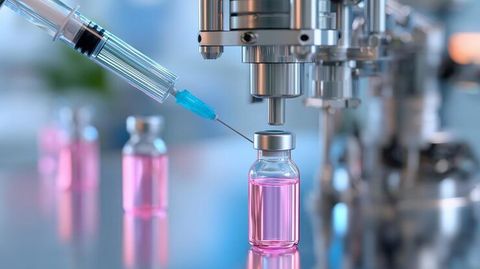
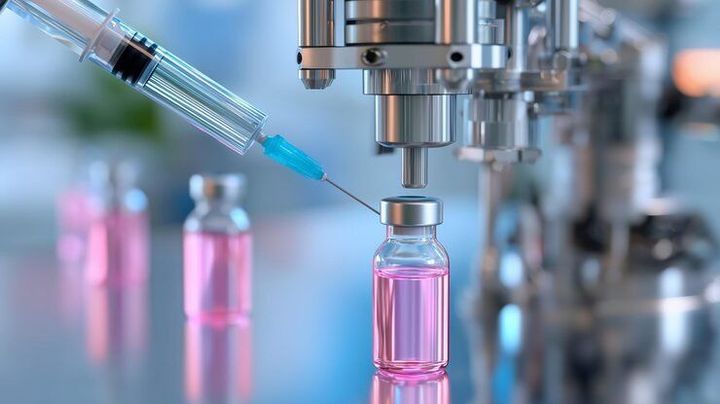
Sterile filling systems operate under controlled environmental conditions. Packaging processes include container inspection, labeling, sealing, and batch identification.
Global Insulin Manufacturers and Pharmaceutical Biotechnology Companies
The global insulin market includes pharmaceutical companies and biotechnology manufacturers involved in insulin research, production, formulation development, and distribution.
Some internationally recognized companies include:
Novo Nordisk: Develops and manufactures insulin and other diabetes-related medicines.
Eli Lilly and Company: Operates in insulin production, diabetes research, and pharmaceutical development.
Sanofi: Participates in diabetes treatment development and insulin manufacturing.
Biocon Biologics: Develops and manufactures biologic medicines, including insulin products.
Wockhardt: Operates in pharmaceutical research and manufacturing.
Gan & Lee Pharmaceuticals: Develops insulin products and diabetes-related pharmaceutical technologies.
The products, manufacturing facilities, regulatory approvals, and geographical availability of these companies vary by market.
Insulin Manufacturing Equipment and Industrial Technologies
Insulin production requires specialized pharmaceutical equipment designed for biotechnology processing and sterile manufacturing.
Important equipment categories include:
Industrial Bioreactors: Used for controlled cultivation of genetically engineered microorganisms.
Fermentation Systems: Maintain suitable environmental conditions during biological production.
Chromatography Equipment: Supports protein separation and purification.
Filtration Systems: Used for clarification, concentration, and removal of unwanted materials.
Pharmaceutical Mixing Tanks: Support controlled preparation of insulin formulations.
Sterile Filling Machines: Transfer formulated insulin into vials, cartridges, and other approved containers.
Automated Inspection Systems: Examine containers, packaging, and selected product characteristics.
The equipment must be compatible with pharmaceutical manufacturing requirements, including cleaning, sterilization, process monitoring, and documentation.
Insulin Quality Control and Pharmaceutical Manufacturing Standards
Quality control is essential throughout insulin manufacturing because insulin is a sensitive biological product.
Manufacturers conduct analytical, biological, microbiological, and physical testing to verify that products meet established specifications.
Important quality control activities include:
Identity Testing: Confirms the identity of the insulin molecule.
Purity Testing: Evaluates the presence of impurities and related substances.
Potency Testing: Assesses biological activity or strength.
Sterility Testing: Evaluates applicable sterile pharmaceutical products.
Stability Testing: Examines product characteristics under defined storage conditions.
Endotoxin Testing: Evaluates bacterial endotoxin levels where applicable.
Container Integrity Testing: Checks whether packaging maintains the required protective conditions.
Good Manufacturing Practices (GMP) provide a framework for production controls, documentation, personnel training, equipment qualification, and quality assurance.
Recent Developments in Insulin Manufacturing, 2024–2026
Insulin manufacturing continues to develop through biotechnology research, production automation, and improvements in pharmaceutical formulation technologies.
Several developments are influencing the sector:
Advanced Recombinant Technologies: Manufacturers continue to improve biological expression systems and protein recovery processes.
Bioprocess Automation: Automated monitoring systems support fermentation control, production documentation, and process consistency.
Continuous Biomanufacturing: Pharmaceutical companies are exploring continuous processing approaches for selected biopharmaceutical production stages.
Advanced Analytical Testing: Modern analytical techniques support protein characterization, impurity detection, and manufacturing quality assessment.
Digital Manufacturing Systems: Artificial intelligence, industrial IoT, and manufacturing execution systems are being explored for process monitoring and production management.
Improved Drug Delivery Systems: Research continues into insulin pens, connected delivery devices, and other technologies associated with insulin administration.
These developments demonstrate the growing importance of biotechnology engineering and digital pharmaceutical manufacturing.
Insulin Manufacturing Regulations and Government Oversight
Insulin products are subject to pharmaceutical regulations covering biological production, manufacturing quality, clinical evaluation, packaging, labeling, and product approval.
In the United States, the Food and Drug Administration (FDA) regulates insulin products and establishes requirements for biological medicines and pharmaceutical manufacturing facilities.
In India, the Central Drugs Standard Control Organisation (CDSCO) oversees relevant drug approval and regulatory activities. State Drug Control Authorities also perform functions under applicable pharmaceutical laws and regulations.
Internationally, the World Health Organization (WHO) publishes guidance related to pharmaceutical quality, biological products, and Good Manufacturing Practices. International Council for Harmonisation (ICH) guidelines also address pharmaceutical quality and stability requirements.
Important regulatory areas include:
Manufacturing facility authorization.
GMP compliance.
Biological product quality assessment.
Sterility and contamination controls.
Product stability and storage requirements.
Packaging and labeling standards.
Batch documentation and traceability.
Regulatory requirements depend on the product category and the country where it is manufactured or distributed.
Frequently Asked Questions About Insulin Manufacturing
1. How is insulin manufactured in pharmaceutical industries?
Modern insulin is commonly manufactured using recombinant DNA technology. Genetically engineered microorganisms produce insulin-related proteins through controlled fermentation, followed by recovery, purification, formulation, and sterile filling.
2. What is recombinant insulin manufacturing?
Recombinant insulin manufacturing uses genetic engineering to introduce insulin-related genetic information into host organisms. These organisms produce proteins that are processed and purified to manufacture pharmaceutical insulin.
3. What equipment is used in insulin manufacturing?
Important equipment includes industrial bioreactors, fermentation tanks, chromatography systems, filtration units, pharmaceutical mixing vessels, sterile filling machines, and automated inspection equipment.
4. Who are the major global insulin manufacturers?
International insulin manufacturers include Novo Nordisk, Eli Lilly, Sanofi, Biocon Biologics, and Gan & Lee Pharmaceuticals. Their product portfolios and regulatory approvals differ across markets.
5. What are the main insulin pharmaceutical formulations?
Common formulations include rapid-acting, short-acting, intermediate-acting, long-acting, and premixed insulin products. They are manufactured in different forms, including vials, cartridges, and prefilled pens.
Conclusion
Insulin manufacturing combines recombinant DNA technology, industrial fermentation, protein purification, pharmaceutical formulation, and sterile packaging. Different production technologies support the development of insulin products with varying activity profiles and pharmaceutical characteristics. Global biotechnology companies continue to invest in manufacturing automation, analytical testing, and advanced bioprocessing systems. Regulatory compliance and rigorous quality control remain essential for maintaining the identity, purity, potency, and safety of insulin medicines.
Disclaimer : Medical information note: This article is for general educational purposes and does not replace professional medical advice. Antibiotics should be used only under appropriate medical guidance. We do not make any claims or guarantees regarding the accuracy, reliability, or completeness of the information presented. The content is not intended as professional advice and should not be relied upon as such. Readers are encouraged to conduct their own research and consult with appropriate professionals before making any decisions based on the information provided in this article.