Skin Safety Explained: Protection Methods, Testing Technologies and Dermatological Applications
Healthy skin starts with everyday protection and informed choices about the products we use. Skin safety covers more than avoiding sunburn. It includes understanding how ingredients interact with the skin barrier, how products are tested, and which approaches work best for different skin types and conditions. This guide explains practical protection methods, dermatological testing, common cosmetic ingredients, major manufacturers and suppliers, and real-world healthcare applications in clear, useful terms.
Key points at a glance
- Daily broad-spectrum sunscreen remains the single most effective skin protection method
- Dermatologist-tested and hypoallergenic claims signal products evaluated for sensitive skin
- Common supportive ingredients include hyaluronic acid, ceramides, niacinamide, and carefully formulated retinol
- Independent dermatological testing and ingredient transparency reduce risk of reactions
- Global manufacturers and suppliers increasingly focus on cleaner formulas and validated safety data
Practical Skin Protection Methods
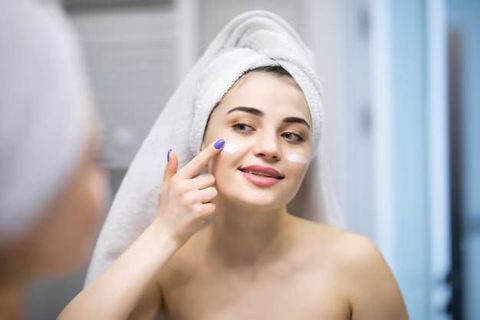
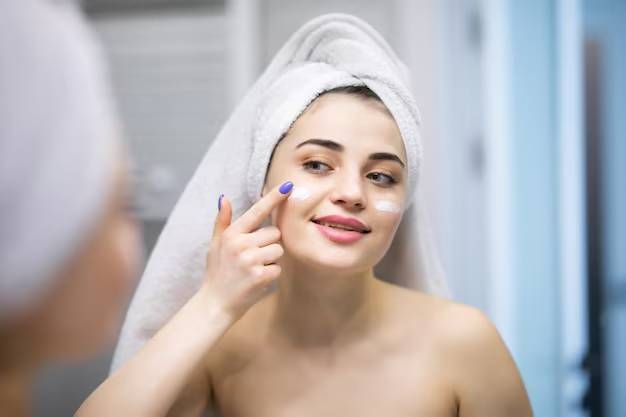
Protecting skin starts with consistent habits rather than complicated routines. The most important step is regular use of sunscreen. Broad-spectrum formulas that protect against both UVA and UVB rays help prevent sunburn, premature aging, and higher skin-cancer risk. Mineral sunscreen containing zinc oxide or titanium dioxide sits on the skin surface and is often preferred for sensitive skin because it tends to cause fewer reactions than some chemical filters.
Beyond sunscreen, gentle cleansing removes dirt and excess oil without stripping the skin barrier. Moisturizers that support the barrier—especially those with ceramides or hyaluronic acid—help keep moisture in and irritants out. For people with dry or reactive skin, fragrance-free and hypoallergenic options lower the chance of contact dermatitis. Protective clothing, shade, and avoiding peak sun hours add further layers of defense, particularly for outdoor workers or those with outdoor hobbies.
In healthcare settings, skin protection extends to wound care, medical adhesives, and barrier creams used for patients with compromised skin. Hospitals and clinics rely on products that have undergone stricter evaluation to minimize infection risk and allergic responses.
Dermatological Testing and What It Means
Dermatological testing evaluates how products interact with human skin under controlled conditions. Common approaches include patch testing for irritation and sensitization, phototoxicity checks for products that may react with sunlight, and repeated-insult patch tests that assess longer-term tolerance. Many brands label products “dermatologist-tested” or “clinically tested” to indicate these evaluations occurred, although the exact protocols can vary.
Regulatory frameworks differ by region. In Europe and several other markets, animal testing for cosmetics is restricted or banned, pushing companies toward in-vitro methods, reconstructed human skin models, and computer-based assessments. These new approach methodologies continue to improve and now cover many endpoints previously studied only in animals. Independent labs and third-party certifications add an extra layer of confidence for both manufacturers and consumers.
For individuals with known allergies or conditions such as eczema or rosacea, consulting a dermatologist before trying new products remains the safest route. Patch testing in a clinical setting can identify specific triggers that general product claims may not catch.
Understanding Cosmetic Ingredients and Safety
Not every ingredient suits every skin type. Fragrance, certain preservatives, and some essential oils rank among the most frequent causes of allergic contact dermatitis. Reading labels and recognizing common allergens helps sensitive-skin users avoid problems.
Supportive ingredients that appear repeatedly in well-tolerated formulas include:
- Hyaluronic acid for hydration
- Ceramides to reinforce the skin barrier
- Niacinamide for calming and barrier support
- Carefully dosed retinol or retinoid alternatives for anti-aging benefits
- Mineral UV filters in sunscreen
Clean-beauty and “free-from” marketing can be helpful but is not always standardized. Checking for dermatologist-tested status, clear ingredient lists, and reputable testing data offers more reliable guidance than marketing language alone. Ingredient databases and checker tools allow consumers to screen products quickly against known concerns such as potential allergens or pore-clogging substances.
Global Manufacturers Suppliers and Industry Practices
Large multinational companies and specialized ingredient suppliers drive much of the innovation in skin-safe formulations. Major brands invest heavily in clinical testing, stability studies, and global regulatory compliance. Ingredient suppliers provide purified actives, preservative systems, and delivery technologies designed for better tolerance and efficacy.
Many manufacturers now publish detailed safety assessments and participate in industry initiatives focused on safer chemistry. Suppliers of mineral sunscreen filters, barrier-repair complexes, and mild surfactants compete on both performance and safety profiles. Transparency around sourcing, impurity levels, and toxicological data has become a competitive advantage, especially for products aimed at sensitive skin or medical use.
Regional suppliers and contract manufacturers also play important roles, particularly for private-label and specialized healthcare lines. Choosing partners with strong quality systems and documented testing reduces risk for finished-product brands.
Healthcare Applications of Skin Safety Knowledge
Skin safety principles extend well beyond consumer cosmetics. In hospitals, barrier films and silicone-based adhesives protect fragile skin around wounds and medical devices. Occupational health programs emphasize protective creams and proper glove use for workers exposed to irritants. Dermatology clinics rely on evidence-based topicals and carefully selected vehicles to treat conditions without adding further irritation.
Public-health campaigns continue to stress sunscreen use and early detection of skin changes. For patients undergoing cancer treatment or living with chronic inflammatory conditions, gentle skincare routines and fragrance-free products often form part of supportive care plans. Healthcare professionals increasingly recommend products that have undergone rigorous dermatological testing and carry clear safety data.
Quick checklist for safer choices
- Choose broad-spectrum mineral sunscreen for daily use, especially on sensitive skin
- Look for dermatologist-tested, fragrance-free options when skin is reactive
- Prioritize formulas with proven barrier supporters such as ceramides and hyaluronic acid
- Review full ingredient lists rather than relying solely on front-of-pack claims
- Seek professional advice for persistent rashes, allergies, or medical skin concerns
Conclusion
Skin safety rests on practical daily habits, informed ingredient choices, and products backed by proper testing. Consistent sunscreen use, gentle barrier support, and attention to potential allergens form the foundation of healthy skin for most people. Dermatological testing and transparent manufacturing practices give consumers and healthcare providers greater confidence in the products they select. By focusing on evidence-based protection methods and reputable sources of cosmetic ingredients, individuals can reduce irritation risk while supporting long-term skin health across everyday and clinical settings.