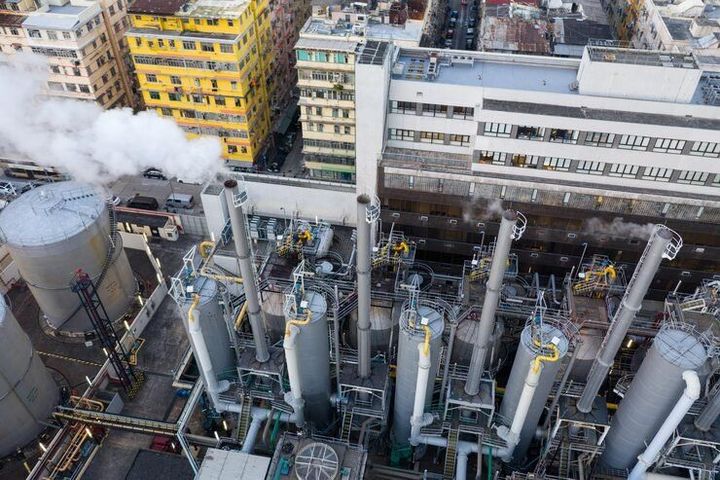
Turnkey Plant Manufacturing Explained: Plant Types, Engineering Technologies and Industrial Applications
Turnkey plant manufacturing gives project owners a single point of responsibility for designing, building, and commissioning a complete industrial facility. Instead of managing multiple contractors for engineering, equipment supply, construction, and startup, the client works with one partner who delivers the finished plant ready for production. This approach reduces coordination risk, shortens schedules, and provides clearer cost control from the start.
What Turnkey Plant Manufacturing Really Means
In a true turnkey project the contractor handles everything from concept to handover. The client defines production goals, capacity requirements, and quality standards. The contractor then develops the process design, selects and procures equipment, builds the civil and mechanical works, installs systems, commissions the plant, and trains the operating team. Once performance tests are passed, the plant is handed over in working condition.
This model is widely used for chemical plants, food processing facilities, pharmaceutical lines, power generation units, cement plants, and many other process industries. It is especially attractive when the owner wants predictable delivery and prefers to focus on operations rather than project management.
Key Advantages of the Turnkey Approach
- Single contract and single point of accountability
- Fixed or well-defined cost and schedule commitments
- Integrated design that reduces interface problems between disciplines
- Faster overall project timeline compared with multi-contract approaches
- Easier technology transfer and operator training
Plant Engineering and Design Process
Strong plant engineering forms the foundation of every successful turnkey project. The work usually moves through several clear stages.
Conceptual and Basic Engineering
Engineers first develop process flow diagrams and mass and energy balances. They define the main unit operations, estimate equipment sizes, and prepare a preliminary plant layout. This stage also covers site evaluation, utility requirements, and early cost estimates. Safety and environmental considerations are built in from the beginning.
Detailed Engineering
Once the concept is approved, the team produces piping and instrumentation diagrams (P&IDs), equipment specifications, civil and structural drawings, electrical single-line diagrams, and control system architecture. Three-dimensional plant modeling helps detect clashes early and optimizes access for maintenance. Material take-offs and procurement packages are prepared so that long-lead items can be ordered on time.
Process Optimization and Compliance
Modern plant engineering includes process simulation to improve yield, energy efficiency, and operability. Designs must also meet local and international codes for pressure vessels, piping, electrical systems, and environmental emissions. Good documentation at this stage makes later commissioning and regulatory approval much smoother.
Core Equipment and Manufacturing Processes
The heart of any industrial plant is its process equipment and the manufacturing processes it supports.
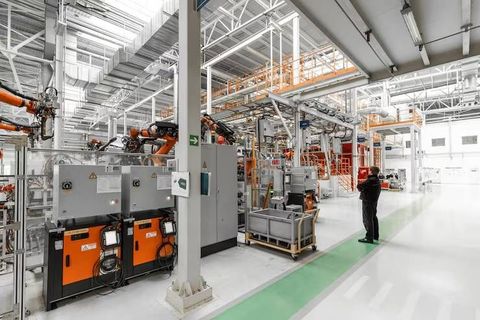
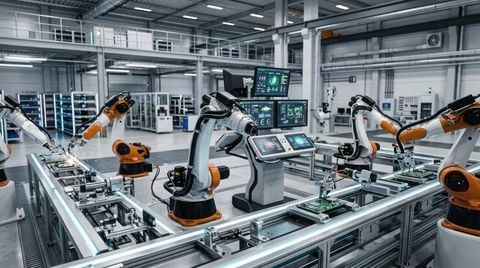
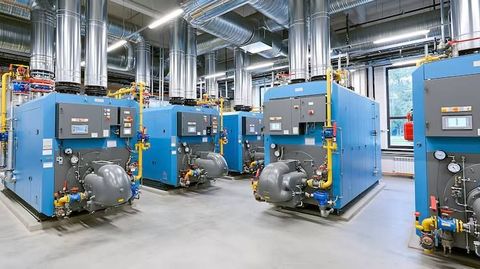
Typical equipment packages include reactors, distillation columns, heat exchangers, dryers, mixers, pumps, compressors, conveyors, packaging machines, and utility systems such as boilers, cooling towers, and compressed air plants. In many sectors automation systems, PLCs, SCADA, and process control software are also part of the scope.
Manufacturing processes vary by industry. Continuous processes dominate chemicals and refining, while batch processes are common in pharmaceuticals and specialty chemicals. Food plants often combine continuous and batch steps with strict hygiene requirements. Cement and mineral plants rely on large-scale crushing, grinding, and thermal processing equipment. The turnkey contractor selects technology packages that match the required capacity, product quality, and operating cost targets.
Global Manufacturers and Reliable Suppliers
A successful turnkey project depends on the right combination of technology licensors, equipment manufacturers, and system suppliers.
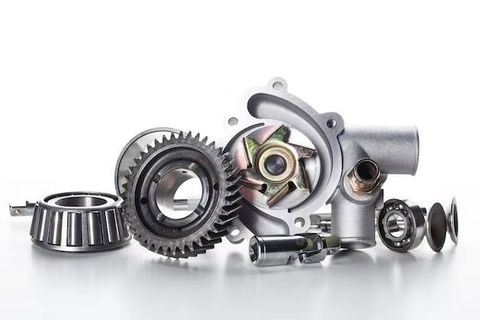
Large engineering and construction firms such as Bechtel, Fluor, Technip Energies, Saipem, and Worley frequently act as main EPC contractors for major process plants. Specialized technology providers supply process know-how and key equipment for chemicals, fertilizers, polymers, and refining. Equipment manufacturers for pumps, valves, heat exchangers, and rotating machinery come from both global brands and strong regional suppliers.
Procurement teams evaluate suppliers on technical performance, delivery reliability, spare-parts support, and total cost of ownership. Many turnkey contractors maintain preferred vendor lists and framework agreements that speed up purchasing while maintaining quality. Local content requirements in some countries also influence supplier selection and fabrication strategy.
Industrial Applications Across Sectors
Turnkey plants serve a wide range of industries.
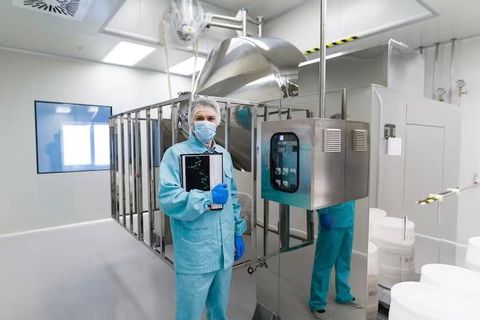
In the chemical and petrochemical sector, contractors deliver complete complexes for polymers, fertilizers, and specialty chemicals. Food and beverage companies use turnkey solutions for dairy plants, beverage lines, edible oil refineries, and ready-meal facilities. Pharmaceutical and biotechnology plants require validated cleanrooms, sterile processing, and full regulatory documentation.
Power and energy projects include gas-fired plants, biomass facilities, and renewable-linked systems. Cement, steel, and mining operations rely on large-scale material handling and thermal process plants. Emerging applications cover battery materials, green hydrogen, and circular economy processes that recover valuable materials from waste streams.
Each sector brings its own standards for safety, hygiene, environmental performance, and product quality. Experienced turnkey partners adapt their engineering and construction methods to these specific demands.
Practical Steps for Project Success
Owners who achieve the best results usually follow a structured approach:
- Define clear production capacity, product specifications, and performance guarantees early
- Select a contractor with proven experience in the same industry and technology
- Involve operations and maintenance teams during design reviews
- Agree on a realistic schedule that includes engineering, procurement, construction, and commissioning
- Establish transparent progress reporting and change management procedures
Risk allocation is also critical. Well-written contracts clarify responsibilities for design errors, equipment performance, construction delays, and interface issues. Performance guarantees and liquidated damages give both parties clear incentives to deliver on time and on specification.
Conclusion
Turnkey plant manufacturing remains one of the most effective ways to deliver complex industrial facilities. By combining plant engineering, detailed design, equipment supply, construction, and commissioning under one responsible partner, owners reduce coordination risk and gain a production-ready asset with predictable cost and schedule.
Success depends on clear requirements, experienced contractors, careful supplier selection, and strong project governance. When these elements come together, the result is a reliable industrial plant that meets capacity, quality, safety, and environmental targets from the first day of commercial operation.