Heavy Industrial Equipment Explained: Types, Technologies, Manufacturing and Industrial Applications
Heavy industrial equipment includes large machines, specialized machinery systems, and engineered components used in manufacturing, construction, mining, energy production, infrastructure development, and material processing. These machines are designed to perform demanding industrial operations involving heavy loads, high operating pressures, continuous production, material movement, and complex engineering processes.
The heavy equipment industry connects several engineering disciplines, including mechanical engineering, electrical engineering, hydraulics, automation, materials science, and industrial control systems. Manufacturers develop machinery for specific operational requirements, while component suppliers provide motors, gearboxes, bearings, hydraulic systems, pumps, compressors, and control equipment. Equipment configurations vary according to production capacity, operating environment, material characteristics, and required performance.
Industrial machinery has also evolved through automation, digital monitoring, energy-efficient engineering, and advanced manufacturing technologies. This guide explains major heavy industrial machinery types, manufacturing processes, engineering technologies, industrial components, global manufacturers, commercial applications, market developments, and important considerations when evaluating industrial equipment.
Understanding Heavy Industrial Equipment
Heavy industrial equipment refers to large-scale machinery and engineered systems used for demanding industrial operations. Unlike ordinary commercial equipment, these machines are generally designed to handle substantial mechanical loads, high production volumes, challenging environmental conditions, and extended operating cycles.
Industrial equipment can be classified according to its function, operating mechanism, industry application, and technical configuration. Some machines process raw materials, while others manufacture components, transport industrial goods, generate power, or support infrastructure projects.
Common characteristics include:
Heavy-duty structural frames and mechanical assemblies.
High-capacity electric motors and drive systems.
Hydraulic and pneumatic operating mechanisms.
Industrial control panels and automation systems.
Specialized cutting, forming, lifting, and processing components.
Safety systems and equipment monitoring technologies.
Equipment selection depends on the intended application, operating conditions, production requirements, and compatibility with existing industrial infrastructure.
Main Types of Heavy Industrial Equipment
Industrial machinery is available in numerous categories, each designed for particular manufacturing and operational requirements.
Manufacturing and Production Machinery
Manufacturing machinery transforms raw materials into finished or semi-finished products. These machines are used in automotive production, metal fabrication, electronics manufacturing, industrial packaging, and engineering component production.
Common equipment includes:
CNC machining centres for precision cutting and material removal.
Industrial presses for forming and shaping metal components.
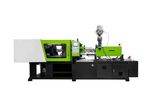
Injection moulding machines for plastic component production.
Industrial milling and turning machines for machining operations.
Rolling machines for processing metal sheets and plates.
Industrial assembly machines for manufacturing operations.
Manufacturing equipment can operate independently or as part of integrated production lines.
Construction and Earthmoving Equipment
Construction machinery supports excavation, material handling, road construction, foundation preparation, and infrastructure development.
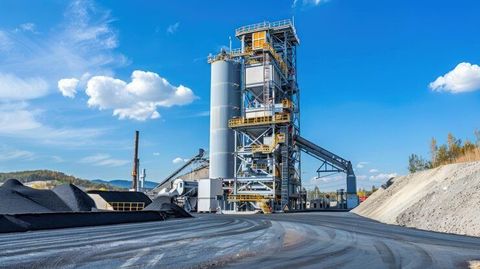
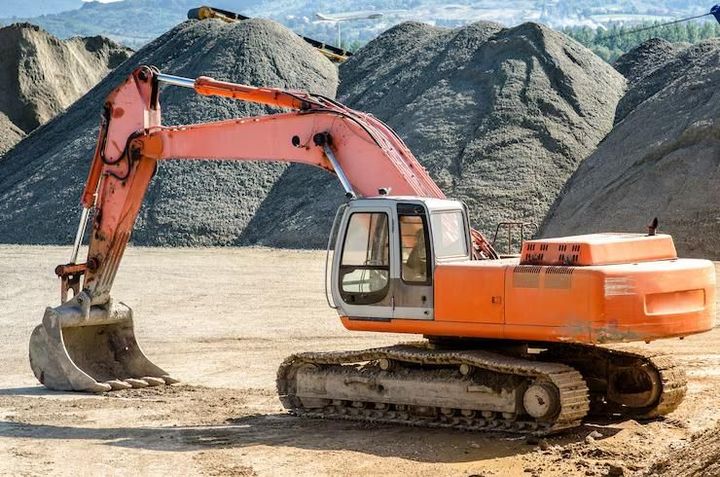
Major equipment categories include excavators, bulldozers, wheel loaders, motor graders, cranes, concrete batching plants, and road rollers.
Their configurations depend on operating capacity, ground conditions, lifting requirements, and project specifications. Heavy construction equipment often uses hydraulic systems to operate lifting arms, buckets, steering mechanisms, and other mechanical assemblies.
Mining and Material Processing Equipment
Mining equipment is designed to extract, transport, crush, separate, and process minerals and other geological materials.
Examples include drilling rigs, underground mining machines, crushing equipment, screening systems, conveyor belts, and mineral processing machinery.
Crushing and screening equipment reduces extracted material into specified sizes. Conveyors and industrial feeders then transport materials between processing stages.
Power Generation and Energy Equipment
Heavy industrial equipment also plays an important role in electricity generation and energy infrastructure.
Major categories include industrial generators, gas turbines, steam turbines, industrial boilers, transformers, compressors, and power distribution systems.
These machines support conventional power plants, industrial facilities, renewable energy infrastructure, and backup power installations.
Material Handling and Lifting Equipment
Material handling equipment transports, positions, and stores industrial materials within factories, warehouses, ports, and construction sites.
Common machinery includes overhead cranes, gantry cranes, forklifts, industrial hoists, automated guided vehicles, and conveyor systems.
Selection depends on lifting capacity, movement distance, load characteristics, operating frequency, and workplace layout.
Industrial Equipment Manufacturing Processes
Heavy machinery manufacturing involves several interconnected engineering and production stages. Each stage contributes to structural strength, operating accuracy, equipment reliability, and compatibility with industrial applications.
Design and Engineering
The manufacturing process begins with engineering design and technical specifications. Engineers evaluate operating loads, dimensions, mechanical stresses, material properties, production requirements, and safety considerations.
Computer-aided design (CAD) software is used to develop three-dimensional equipment models, mechanical assemblies, and component drawings. Computer-aided engineering (CAE) tools support structural analysis, thermal evaluation, and simulation.
Material Selection and Metal Processing
Heavy machinery commonly uses carbon steel, alloy steel, stainless steel, cast iron, aluminium alloys, and specialized engineering materials.
Material selection depends on strength, hardness, corrosion resistance, temperature exposure, wear resistance, and operating loads.
Manufacturing processes may include:
Metal casting for producing complex machine components.
Forging for manufacturing high-strength mechanical parts.
Welding for joining structural assemblies.
CNC machining for achieving specified dimensions.
Heat treatment for modifying material properties.
Surface finishing for improving component protection.
Assembly and Integration
After individual components are manufactured, they are assembled into complete machinery systems.
This stage may involve installing motors, gearboxes, bearings, hydraulic cylinders, electrical panels, sensors, pumps, and control units.
Engineers verify mechanical alignment, electrical connections, lubrication arrangements, and system compatibility.
Testing and Quality Inspection
Industrial equipment undergoes inspection and functional testing before commissioning. Testing procedures depend on machinery classification and applicable technical standards.
Typical activities include dimensional inspection, load testing, vibration monitoring, pressure testing, electrical safety checks, and operational trials.
Engineering Technologies Used in Heavy Industrial Machinery
Modern heavy industrial equipment combines mechanical engineering with electrical, hydraulic, pneumatic, and computerized control technologies. These systems determine how machinery operates, handles loads, controls movement, and performs production activities.
Hydraulic and Pneumatic Systems
Hydraulic systems use pressurized fluids to generate force and control mechanical movement. They are commonly used in excavators, industrial presses, lifting equipment, metalworking machines, and construction machinery.
Major hydraulic components include pumps, cylinders, valves, reservoirs, filters, and hydraulic hoses.
Pneumatic systems use compressed air to operate actuators, valves, and other mechanical devices. They are frequently used in automated production lines, industrial assembly equipment, packaging machinery, and material handling systems.
Electric Motors and Industrial Drive Systems
Electric motors convert electrical energy into mechanical motion. They are essential components in pumps, compressors, conveyors, crushers, machine tools, and industrial production equipment.
Variable frequency drives (VFDs) regulate motor speed and torque according to operational requirements. Industrial drive manufacturers such as Siemens, ABB, and Schneider Electric develop motor control and power management technologies for different industrial applications.
Robotics and Industrial Automation
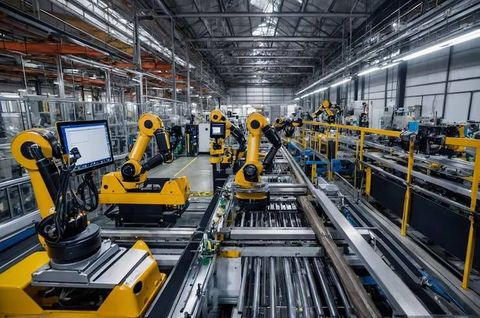
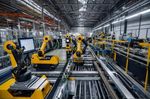
Industrial automation integrates programmable logic controllers (PLCs), sensors, robotic systems, motor drives, and computerized control equipment.
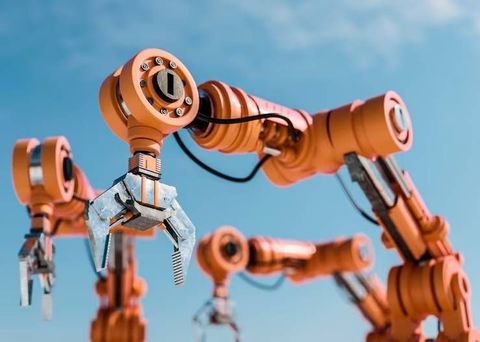
Robotic machinery performs activities such as welding, material handling, machine loading, assembly, and precision manufacturing. Automation systems can also coordinate multiple machines through centralized industrial control networks.
Artificial Intelligence and Digital Monitoring
Connected industrial machinery increasingly incorporates sensors and software for monitoring operating conditions. These technologies collect information about temperature, vibration, pressure, energy consumption, and machine performance.
Predictive maintenance systems analyze equipment data to identify unusual operating patterns and potential maintenance requirements. Digital twins create virtual representations of physical machines or industrial systems for engineering analysis and operational monitoring.
Important Components of Heavy Industrial Equipment
Industrial machinery depends on multiple mechanical, electrical, and control components working together.
Industrial component | Main function | Common applications |
|---|---|---|
Industrial motors | Generate mechanical power | Pumps, compressors, conveyors |
Gearboxes | Control speed and torque | Cranes, crushers, production machinery |
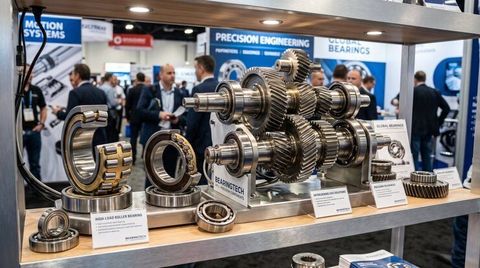
Bearings | Support rotating shafts | Motors, turbines, machine tools |
Hydraulic pumps | Generate fluid pressure and flow | Excavators, presses, lifting systems |
Industrial valves | Regulate fluid movement | Processing plants and hydraulic systems |
Compressors | Produce compressed air or gas | Factories and energy facilities |
Sensors | Measure operating conditions | Automation and monitoring |
PLC controllers | Control industrial processes | Production lines and machinery |
Component compatibility is important because differences in operating pressure, load capacity, dimensions, electrical ratings, and connection standards can affect overall machine performance.
Global Heavy Industrial Equipment Manufacturers and Suppliers
The international industrial machinery market includes specialized manufacturers, diversified engineering companies, component producers, and equipment distributors.
Some recognized manufacturers operating across heavy equipment and industrial machinery categories include:
Caterpillar: Manufactures construction equipment, mining machinery, engines, and industrial power systems.
Komatsu: Develops construction, mining, and industrial equipment.
Liebherr: Produces cranes, earthmoving machinery, mining equipment, and specialized engineering systems.
Volvo Construction Equipment: Manufactures wheel loaders, excavators, articulated haulers, and other construction machinery.
XCMG: Develops construction machinery, lifting equipment, and heavy industrial equipment.
SANY: Manufactures cranes, excavators, concrete machinery, and other construction equipment.
Mitsubishi Heavy Industries: Operates across energy systems, industrial machinery, and large-scale engineering equipment.
Sandvik: Supplies mining equipment, rock processing systems, and specialized industrial technologies.
These companies operate in different machinery segments and are not directly interchangeable across every equipment category.
Industrial Component Manufacturers
Specialized suppliers manufacture components used in heavy industrial machinery. Examples include Siemens and ABB for electrical and automation technologies, Bosch Rexroth for hydraulic and drive systems, Parker Hannifin for motion and control technologies, and Atlas Copco for compressors and industrial equipment.
The supplier network also includes companies producing bearings, seals, gearboxes, industrial fasteners, electrical enclosures, filters, pumps, and machine control equipment.
Industrial procurement may involve direct manufacturer agreements, authorized distributors, engineering contractors, component suppliers, and equipment integration companies.
Commercial Applications Across Major Industries
Heavy industrial equipment supports production and infrastructure activities across multiple economic sectors.
Automotive and Transportation Manufacturing
Automotive factories use robotic welding systems, CNC machinery, industrial presses, painting equipment, assembly lines, and material handling systems.
These machines support vehicle body manufacturing, engine component production, metal forming, and final assembly.
Mining and Mineral Processing
Mining operations depend on drilling equipment, excavators, haul trucks, crushers, screening machinery, and industrial conveyors.
Equipment specifications vary according to mineral characteristics, extraction methods, production capacity, and environmental conditions.
Oil, Gas, and Petrochemical Industries
Oil and gas facilities use industrial compressors, pumps, pressure vessels, drilling equipment, heat exchangers, and pipeline systems.
These machines support fluid transportation, gas processing, refining operations, and petrochemical production.
Steel and Metal Processing
Steel manufacturing facilities use blast furnaces, rolling mills, industrial furnaces, hydraulic presses, cutting systems, and material handling equipment.
Metal processing machinery supports casting, forging, rolling, machining, and surface treatment operations.
Power Generation and Infrastructure
Power plants and infrastructure projects depend on turbines, generators, transformers, cranes, industrial pumps, and specialized construction equipment.
These systems support electricity generation, transportation infrastructure, water management, and industrial facility development.
Industry Trends and Developments During 2024–2026
Heavy industrial equipment manufacturing is experiencing changes driven by automation, digital engineering, energy efficiency, and advanced production technologies.
Important developments include:
Smart manufacturing: Connected machinery uses industrial sensors, control systems, and real-time monitoring to improve production visibility.
Artificial intelligence: AI-based systems support equipment diagnostics, predictive maintenance, and production planning.
Electrification: Manufacturers are developing electric and hybrid machinery for selected construction, material handling, and industrial applications.
Advanced manufacturing: Multi-axis CNC machining, additive manufacturing, and robotic production are expanding manufacturing capabilities.
Digital twins: Virtual equipment models help engineers evaluate machine behaviour, simulate operating conditions, and assess design changes.
A 2026 PwC industrial manufacturing outlook identifies automation, artificial intelligence, and advanced technologies as important developments influencing industrial manufacturing through 2030.
Industrial Equipment Standards and Safety Requirements
Heavy machinery must meet applicable safety, engineering, and operational requirements. Standards depend on equipment type, operating environment, installation location, and industry application.
ISO 12100 provides general principles for machinery safety, including hazard identification, risk assessment, and risk reduction during machine design and operation.
Other relevant technical frameworks may cover:
Electrical equipment safety and industrial control systems.
Pressure equipment and piping requirements.
Welding procedures and structural fabrication.
Industrial lifting equipment and crane safety.
Environmental emissions and energy efficiency.
Workplace safety and machinery guarding.
In India, industrial equipment manufacturers and operators may need to consider applicable Bureau of Indian Standards (BIS) requirements, factory safety regulations, electrical regulations, and industry-specific approvals.
Requirements are not identical for every machine. Manufacturers, equipment importers, installation contractors, and industrial operators should identify the applicable standards before commissioning machinery.
Important Factors When Evaluating Heavy Industrial Equipment
Industrial machinery selection involves technical, operational, and commercial considerations.
Production capacity: Evaluate load capacity, operating speed, processing volume, and required production output.
Technical compatibility: Check electrical ratings, motor specifications, hydraulic pressure, mechanical dimensions, and integration requirements.
Equipment reliability: Examine component quality, operating conditions, maintenance history, and manufacturer documentation.
Energy consumption: Consider electrical requirements, fuel consumption, operating efficiency, and energy management systems.
Maintenance and spare parts: Assess replacement component availability, technical support, maintenance intervals, and equipment lifecycle requirements.
Commercial arrangements: Compare equipment quotations, installation expenses, transportation, commissioning, warranties, and ongoing maintenance agreements.
Supplier capabilities: Evaluate manufacturing experience, technical documentation, equipment testing, spare parts networks, and after-sales support.
Frequently Asked Questions
What are the main types of heavy industrial equipment?
Major categories include manufacturing machinery, construction equipment, mining machinery, power generation systems, material handling equipment, industrial compressors, and metal processing machinery.
Which companies manufacture heavy industrial equipment?
Recognized manufacturers include Caterpillar, Komatsu, Liebherr, Mitsubishi Heavy Industries, Volvo Construction Equipment, XCMG, SANY, and Sandvik. Their product portfolios cover different industrial and engineering applications.
What technologies are used in modern industrial machinery?
Modern machinery incorporates hydraulic systems, electric motors, variable frequency drives, PLC controllers, industrial robotics, sensors, artificial intelligence, and digital monitoring technologies.
What is the difference between heavy equipment and industrial machinery?
Heavy equipment generally refers to large machines used in construction, mining, earthmoving, and material handling. Industrial machinery is a broader category that also includes manufacturing machines, processing equipment, production systems, and factory automation technologies.
What factors influence industrial equipment selection?
Important factors include operating capacity, technical specifications, energy consumption, equipment reliability, component compatibility, maintenance requirements, manufacturer capabilities, and total ownership expenses.
Conclusion
Heavy industrial equipment supports manufacturing, construction, mining, energy production, metal processing, and infrastructure development through specialized machinery and engineered systems. Its major categories include production machines, earthmoving equipment, mining systems, power generation machinery, and material handling technologies. Advances in automation, robotics, artificial intelligence, and digital monitoring are changing how industrial equipment is designed and operated. Understanding machinery specifications, engineering components, safety standards, manufacturer capabilities, and lifecycle requirements helps businesses evaluate industrial equipment and commercial supply options.